
Sleepaway camp for girls builds self-confidence, independence, leadership skills, and lifelong friendships in a safe, screen-free environment. Girls who attend overnight camp come home more independent, more socially aware, and more willing to try new things. According to the American Camp Association’s Youth Outcomes Study, 92% of children say their camp experience helped them build self-esteem. That number is not a coincidence. It reflects what happens when girls step away from their daily routines and into a community that encourages them to grow.
In this article, we cover the top benefits of sleepaway camp for girls, the best age to send your daughter, what to look for in a quality camp, how to handle homesickness, and why all-girls camp environments are especially powerful for building confident young women.
What Are the Benefits of Sleepaway Camp for Girls?
The benefits of sleepaway camp for girls include greater independence, stronger social skills, improved self-confidence, deeper friendships, a love for nature, and a healthy break from screens. These benefits are not just what parents hope for. They are backed by real research.
A landmark study by the Canadian Summer Camp Research Project at the University of Waterloo found that children who attend overnight camp show positive development in self-confidence, social integration, nature appreciation, and emotional intelligence. These gains were measured across campers of all ages and backgrounds. The study also found that campers develop healthier attitudes toward physical activity, likely because swimming, hiking, and sports feel more like play than exercise at camp.
A separate ACA survey found that 70% of parents reported their child gained self-confidence while away at camp. We see this every summer. Girls who arrive a little nervous on the first day leave two weeks later standing taller, laughing louder, and already asking when they can come back.
Independence and Responsibility
One of the biggest benefits of sleepaway camp is the independence girls develop from being away from home. At camp, a girl makes her own bed, picks her own activities, manages her belongings, and handles her own daily routine. These are small things on their own, but together they add up to a powerful sense of “I can do this.”
Clinical psychologist Dr. Wendy Mogel, author of “The Blessing of a Skinned Knee,” has noted that overnight camp gives children the chance to practice successful independence in a community that is committed to their physical and emotional safety. Unlike going straight to college at 18, camp gives younger girls a chance to build that independence muscle in a supportive setting.
Confidence and Self-Esteem
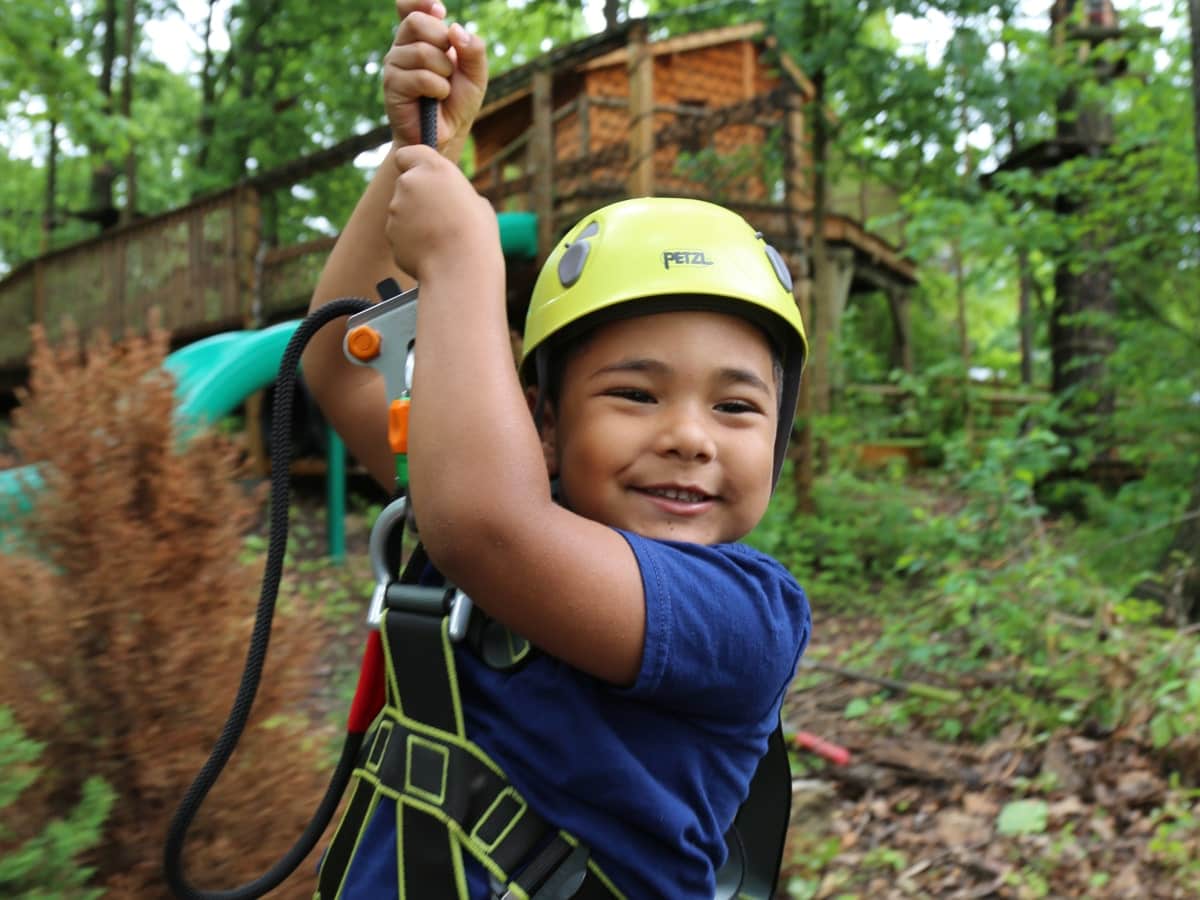
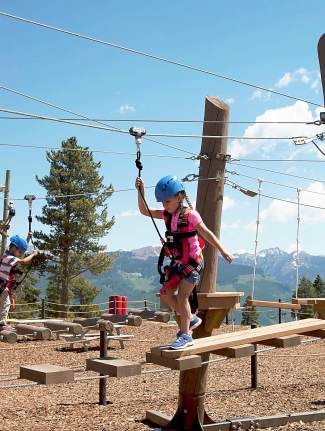
Confidence grows when a girl tries something hard and succeeds. At camp, that might mean landing her first bullseye in archery, completing a high ropes challenge, or performing in front of her cabin during a skit night. Each of these moments sends the same message: you are capable of more than you think.
Research from the National Coalition of Girls’ Schools found that girls-only settings have a greater impact on social self-confidence, are more effective for personal development, and provide more leadership opportunities than co-ed environments. At an all-girls camp, there is no pressure to act a certain way to impress anyone. Girls are free to be silly, be brave, be loud, and be themselves.
Lifelong Friendships
Camp friendships are different from school friendships. At camp, girls live together, eat together, play together, and share experiences that most people back home will never understand. That kind of closeness creates bonds that can last decades.
At sleepaway camp, every girl starts in the same boat. Everyone is new, everyone is a little nervous, and everyone is looking for a friend. That shared starting point makes it easier for girls to open up and form real connections. Research published in the Journal of Outdoor Recreation, Education, and Leadership found that the camp community plays a central role in helping children feel a sense of belonging and social connection.
A Screen-Free Environment
One of the most valuable things camp offers is a complete break from screens. The average child in the United States spends over 7 hours a day on screens, according to data from the Kaiser Family Foundation. That is more than triple the recommended recreational limit. A study by the National Institutes of Health found that children who spend more than 2 hours a day on screens scored lower on language and thinking tests.
At sleepaway camp, phones, tablets, and gaming devices are put away. Girls connect through real conversations, shared laughter, and face-to-face interaction. The ACA’s breakthrough study found that 58% of youth who attend camp say the experience helped them appreciate the importance of being present and taking time away from technology. We hear this from our campers all the time. Many of them say they actually love not having their phone at camp.
Physical Activity and Time in Nature
Camp gets girls moving. From swimming and canoeing to soccer and gymnastics, the day is packed with activities that keep the body active and the mind engaged. Neuroscience research from the Massachusetts General Hospital MAPP program shows that physical activity increases brain-derived neurotrophic factor (BDNF), which helps form new connections in the brain and improves long-term memory.
Time in nature adds another layer of benefit. A meta-review published in BMJ Open found that up to 20% of adolescents worldwide are estimated to have a mental health condition, and that nature exposure is consistently linked to improved mental well-being in children and teens. Camp places girls in the middle of nature every single day, surrounded by trees, rivers, and open sky. That kind of environment does something for a girl’s spirit that no classroom or living room can match.
What Is Sleepaway Camp for Girls All About?
Sleepaway camp for girls is all about giving daughters a place where they can grow, explore, and discover new strengths in a safe, supportive, all-female community. It is more than just a summer activity. It is an experience that shapes who a girl becomes.
At an all-girls sleepaway camp, every counselor, every activity leader, and every camper is female. Girls interact with women in positions of authority who model confidence, kindness, and leadership. The Girl Scout Research Institute has found that girls value girls-only “safe spaces” where they can confide in trusting adults and other girls. That kind of environment allows girls to express themselves fully, without worrying about what anyone else thinks.
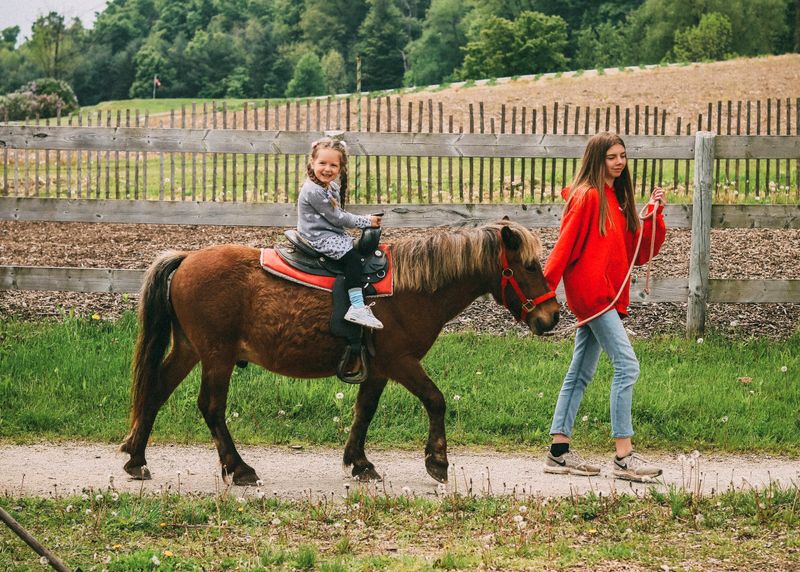
A typical day at camp includes a mix of scheduled activities, free time, meals together, and evening programs. Girls might spend their morning riding horses, their afternoon doing arts and crafts, and their evening singing around a campfire. Every day brings something new, and every day ends with a sense of accomplishment.
What Is the Best Age to Go to Sleepaway Camp?
The best age to go to sleepaway camp is between 7 and 10 for most children, though readiness matters more than the number on a birthday cake. The American Academy of Pediatrics notes that most children are ready for overnight camp by about age 7 or 8. Psychologist Dr. Michael Thompson, author of “Homesick and Happy,” adds that readiness has more to do with independence than age alone.
The American Camp Association reports that kids between 8 and 12 make up about half of all summer campers in the United States. That age range is a sweet spot because girls are old enough to handle basic self-care, manage a daily routine, and make friends on their own, but still young enough to soak up every new experience with wide-eyed excitement.
Many camps offer shorter one-week sessions for first-time campers, which gives younger girls a chance to experience camp without the commitment of a longer stay. If that first week goes well, and it usually does, the door is open for longer sessions in future summers.
Is 13 Too Old for Camp?
No, 13 is not too old for camp. In fact, the teen years are one of the most impactful times to attend sleepaway camp. Older campers benefit from leadership programs, deeper friendships, and the chance to serve as role models for younger girls. Many camps offer counselor-in-training programs for teens, which teach real-world skills like responsibility, communication, and teamwork.
A 2025 report by The Bump’s Future of Parenting survey found that 88% of parents believe shared experiences hold more value than material gifts. For a 13-year-old girl, a summer at camp is one of those experiences. It gives her something that no phone, no video game, and no social media feed can provide: real connection and real growth.
What to Look for in a Sleepaway Camp
What to look for in a sleepaway camp includes accreditation, staff qualifications, a strong safety record, a variety of activities, a clear philosophy, and a community that matches your family’s values. Not all camps are created equal, and the right fit makes all the difference.
The American Camp Association’s accreditation program is the gold standard for camp safety and quality. ACA accreditation means a camp has passed a review of up to 300 standards covering everything from staff training to emergency management. The ACA collaborates with the American Academy of Pediatrics, the American Red Cross, and other agencies to develop these standards. Only camps that meet these benchmarks earn accreditation.
Beyond accreditation, look at the counselor-to-camper ratio. A lower ratio means more individual attention for your daughter. Ask about staff training, communication policies, and how the camp handles homesickness. Visit the camp’s website, read parent testimonials, and if possible, attend an open house or preview event. The more you know before your daughter arrives, the more confident you will both feel on opening day.
How to Not Get Homesick at Sleepaway Camp
To not get homesick at sleepaway camp, a girl should practice being away from home before camp, stay busy with activities, talk to her counselors when she feels sad, and focus on the fun parts of each day. Homesickness is completely normal. It is not a sign that camp is wrong for your daughter. It is a sign that she loves her home, and that is a good thing.
Research by Dr. Christopher Thurber at Phillips Exeter Academy found that 83% of campers experience homesickness on at least one day of camp. But here is the important part: less than 1% of children actually leave camp because of it, according to data from the University of Maryland Extension. Most girls push through those feelings within a day or two and come out stronger on the other side.
Parents can help by talking positively about camp before the session starts, writing cheerful letters, and avoiding promises like “I’ll come get you if you don’t like it.” That kind of promise gives a girl an escape route instead of encouraging her to work through the challenge. We have a whole page with tips for handling homesickness that many parents find helpful.
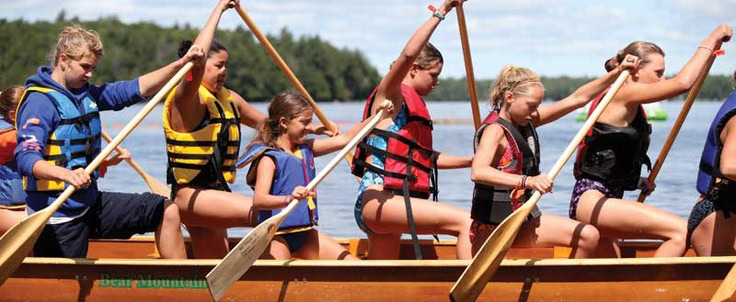
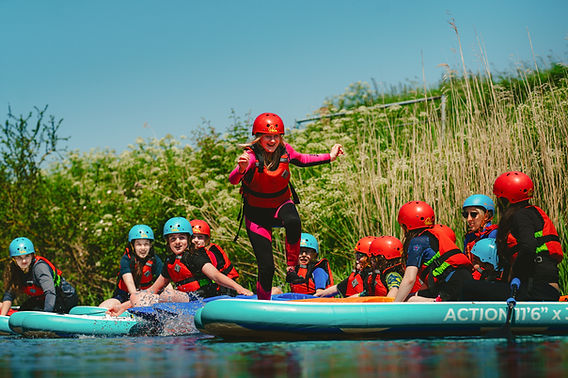
At camp, staying busy is the best remedy. When a girl is swimming, laughing with her cabin mates, or learning to paddle a canoe, there is not much room for sadness. The days are so full of activity that homesickness usually fades quickly.
Why an All-Girls Camp Environment Matters
An all-girls camp environment matters because it removes the social pressures that often come with co-ed settings and gives girls the freedom to lead, explore, and express themselves without hesitation. A 2005 study by the National Coalition of Girls’ Schools found that girls-only settings create a greater “can-do” attitude, boost social self-confidence, and provide more opportunities for leadership and personal development.
At an all-girls camp, there is no performing for an audience. Girls try ropes courses without worrying about looking scared. They sing at the top of their lungs at campfire without caring about their voice. They run for team captain because they actually want to lead, not because someone expects them to. Beverly Hills psychologist Dr. Marjan Madison has noted that girls at all-female camps “feel more empowered and confident, tapping into a sense of self that has nothing to do with mirroring or validation from boys.”
The National Coalition of Girls’ Schools also found that graduates of all-girls programs are more likely to pursue leadership roles in their careers. That trajectory starts somewhere, and for many women, it starts at camp.
Sleepaway Camp Benefits at a Glance
| Benefit | What It Looks Like at Camp | Supporting Research |
| Self-Confidence | Trying new activities, earning achievements, overcoming fears | 92% of campers report improved self-esteem (ACA Youth Outcomes Study) |
| Independence | Managing daily routines, making decisions, caring for belongings | 70% of parents report their child gained self-confidence at camp (ACA Parent Survey) |
| Social Skills | Making new friends, resolving conflicts, living in a cabin community | Overnight camp improves social integration and emotional intelligence (University of Waterloo, 2010) |
| Screen-Free Living | No phones, no tablets, real face-to-face connection | 58% of camp attendees value being present and unplugged (ACA Breakthrough Study, 2023) |
| Physical Health | Swimming, hiking, horseback riding, sports all day | Physical activity increases BDNF and improves brain function (MGH MAPP, Harvard) |
| Leadership | Team captain roles, counselor-in-training programs, mentoring younger girls | Girls-only settings produce more leadership opportunities (National Coalition of Girls’ Schools, 2005) |
| Nature Connection | River exploration, nature hikes, campfire nights under the stars | Nature exposure linked to improved mental well-being in youth (BMJ Open meta-review) |
Sources: ACA Youth Outcomes Study, ACA Parent Survey, University of Waterloo Canadian Summer Camp Research Project (2010), ACA Breakthrough Study (2023), Massachusetts General Hospital MAPP Program, National Coalition of Girls’ Schools (2005), BMJ Open meta-review.
How Sleepaway Camp Prepares Girls for the Future
The skills a girl learns at sleepaway camp do not stay at camp. They follow her home, into the classroom, and eventually into adulthood. A girl who learns to speak up in a group activity at camp is the same girl who raises her hand in class. A girl who leads her camp team is the same girl who runs for student council. A girl who overcomes homesickness at age 9 is the same girl who thrives at college at 18.
Dr. Peter Scales, a noted developmental psychologist cited by the American Camp Association, has said that camp is one of the few places where young people can satisfy their basic need to belong, to feel capable, and to contribute to a group. Those three needs, belonging, competence, and contribution, are the building blocks of a healthy, successful life.
According to a 2024 Gallup poll conducted with the ACA and the National Summer Learning Association, 30 million youth are engaged in summer programs across the United States. That number represents 55% of all K-12 students. The demand is there because parents see the results. Girls come home from camp more connected to traditions, more confident in who they are, and more prepared for whatever comes next.
Frequently Asked Questions
Why Do Some Parents Hesitate to Send Daughters to Sleepaway Camp?
Some parents hesitate to send daughters to sleepaway camp because of worries about homesickness, safety, and being separated from their child. These concerns are completely natural. The American Camp Association addresses these worries through its accreditation program, which reviews up to 300 safety and operational standards. Talking to camp staff, visiting the facility, and reviewing communication policies can help parents feel confident in their decision.
Does Sleepaway Camp Help with Social Skills?
Yes, sleepaway camp helps with social skills because girls live, eat, and play alongside other campers every day. They learn to communicate, cooperate, share space, and resolve disagreements in real time. The University of Waterloo’s Canadian Summer Camp Research Project found that overnight camp improves social integration and emotional intelligence in children.
How Long Are Most Sleepaway Camp Sessions?
Most sleepaway camp sessions last between one and two weeks. Some camps offer shorter one-week starter sessions for first-time campers, while others offer two-week or even longer sessions for returning campers. Shorter sessions are ideal for younger or first-time campers, and longer sessions allow girls to settle in more deeply and form stronger friendships.
Does Sleepaway Camp Help with Independence?
Yes, sleepaway camp helps with independence because girls handle daily tasks like making their bed, choosing activities, and managing their own belongings without a parent guiding every step. The ACA’s breakthrough study found that independence is one of the strongest outcomes of the camp experience, driven by the structure of camp life that combines belonging, engagement, and hands-on learning.
Can Shy Girls Do Well at Sleepaway Camp?
Yes, shy girls can do very well at sleepaway camp. Camp provides a fresh start where no one knows anyone’s school reputation. Every girl is meeting new people, and the structured daily schedule gives shy girls natural entry points into conversations and friendships. Many parents report that their shy daughter was one of the girls who benefited most from the camp experience.
What Activities Do Girls Do at Sleepaway Camp?
Activities at sleepaway camp for girls include horseback riding, swimming, canoeing, archery, arts and crafts, ropes courses, tennis, volleyball, gymnastics, dance, drama, and outdoor exploration. Most camps let girls choose their own schedule from a wide variety of options, so every girl can try things she loves and discover new interests she never expected.
The Takeaway
Sleepaway camp for girls is one of the most meaningful gifts a parent can give. It builds confidence, teaches independence, creates friendships, and helps girls discover who they are in an environment that is safe, fun, and free from the pressures of daily life. The research is clear, and the stories from families who have lived it are even more convincing. Girls who go to camp come home changed for the better.
At Riverview Camp for Girls, we have been part of that story for families since 1924. Our campus in Mentone, Alabama sits on the banks of Little River, surrounded by wooded trails and natural beauty that makes every day feel like an adventure. If you are thinking about sleepaway camp for your daughter, we would love to tell you more. Call us at 256-634-4043 or visit our website to get started.