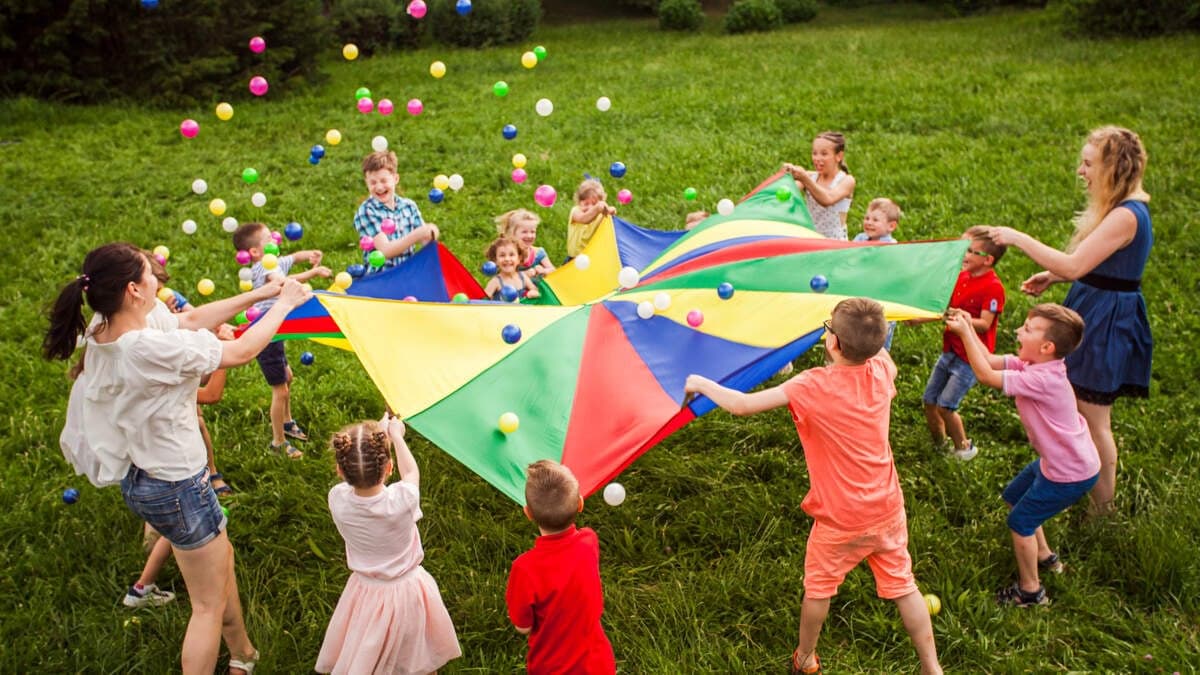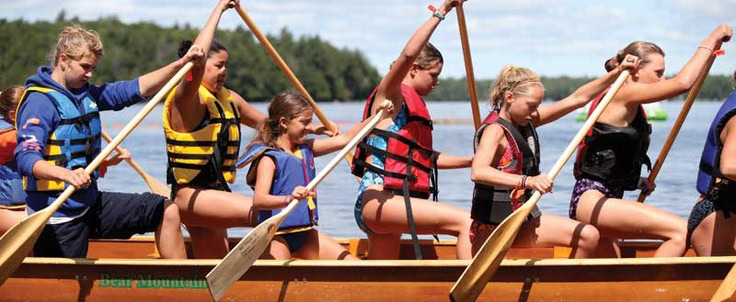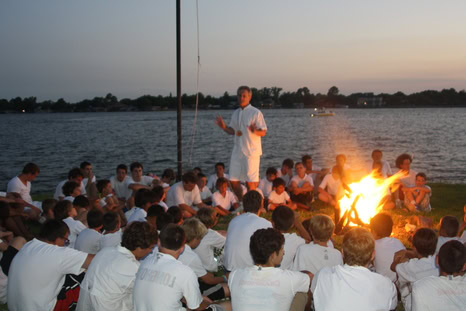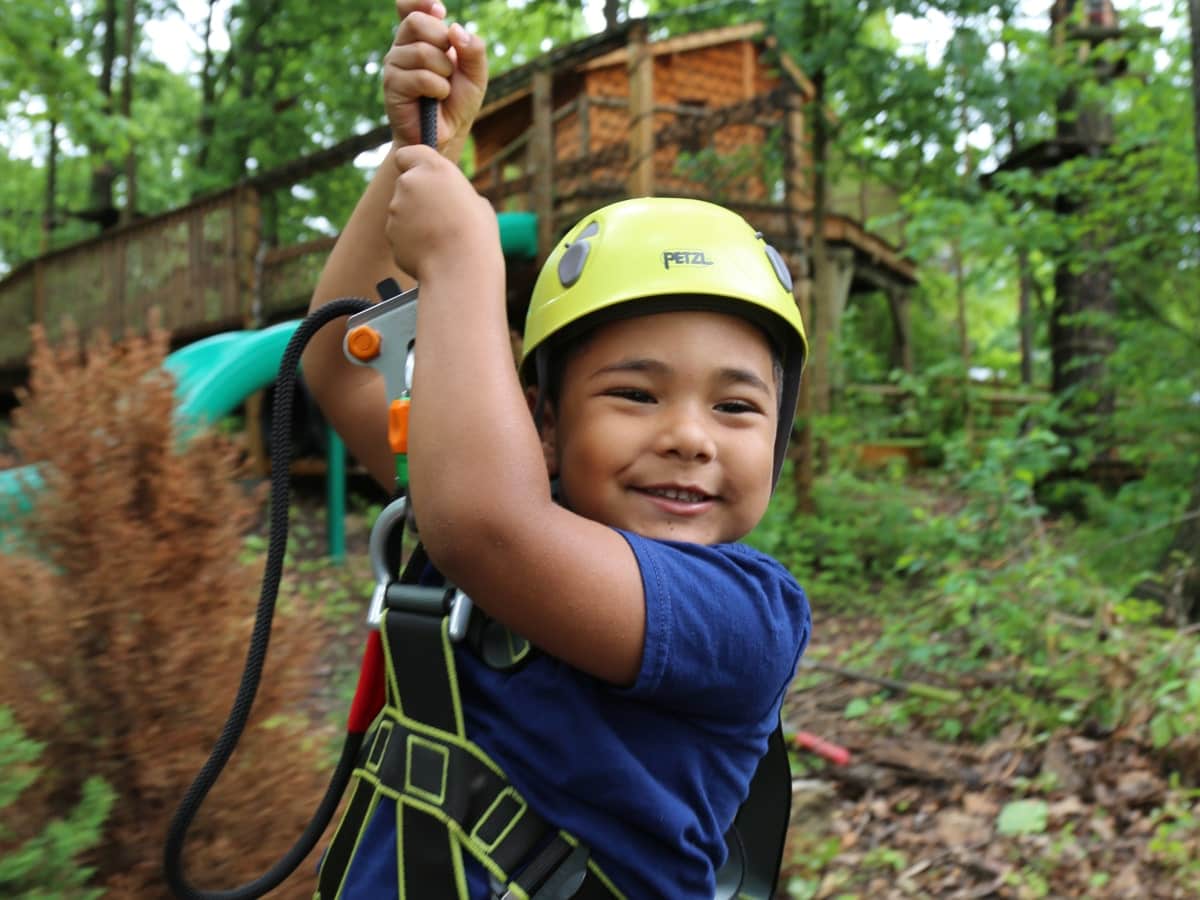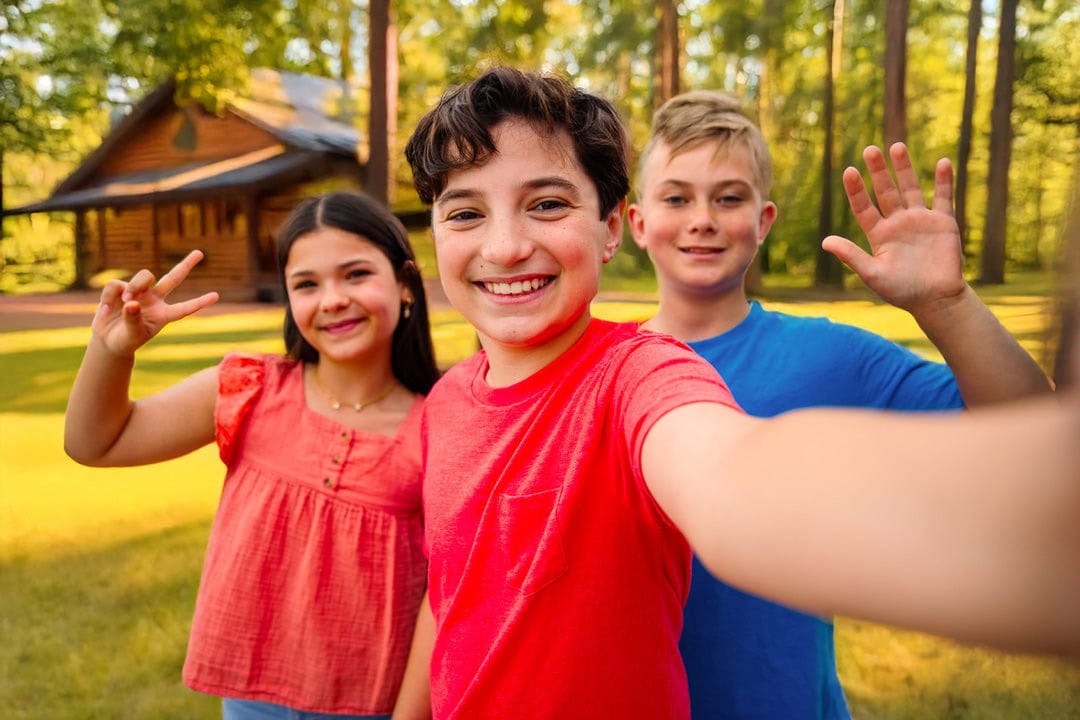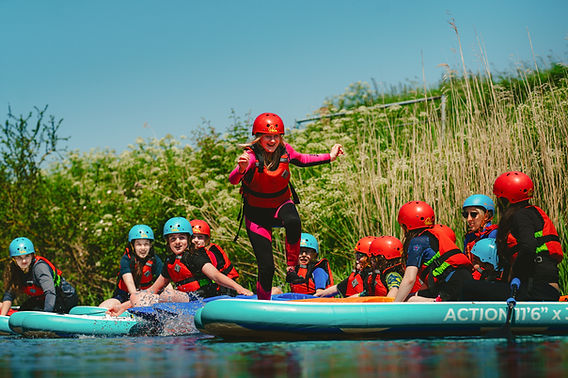
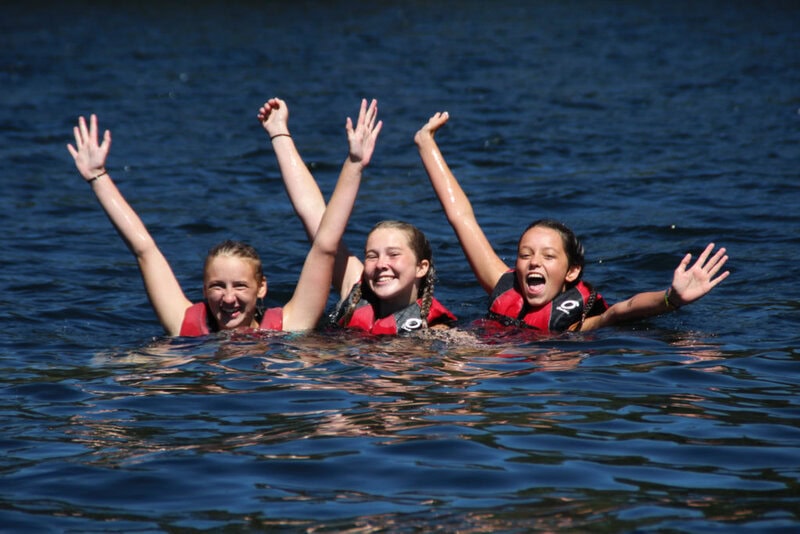
Summer camp friendships form faster, run deeper, and last longer than school friendships because camp removes the structural barriers that slow friendship formation in a classroom setting. At camp, children live together around the clock, share physical and emotional challenges without screens, and meet each other on a completely level social landscape with no pre-existing labels, cliques, or popularity rankings. The American Camp Association found that 96% of campers made new friends at camp, and 93% said camp helped them get to know kids who are different from them. A separate 2014 study by researcher Audrey Monke across six residential camps found that 100% of campers reported making new friends, with 44% making 10 or more new friends in just two weeks. This article explains why camp friendships develop differently than school friendships, what makes them last, and why children need both types of connection to thrive.
Why Do Camp Friendships Feel Stronger Than School Friendships?
Camp friendships feel stronger than school friendships because camp compresses months of gradual social development into days of intense, shared experience. At school, a child might see the same classmate for 45 minutes during math, pass her in the hallway, and exchange a few texts after dinner. At overnight camp, that same child eats breakfast with her cabin mate, rides horses alongside her all morning, swims with her after lunch, cheers for her on the ropes course in the afternoon, shares a campfire with her at night, and falls asleep in the bunk three feet away. The total face-to-face contact time at camp runs 14 to 16 hours per day. School provides roughly 1 to 2 hours of genuine peer interaction daily, once classroom instruction, transitions, and individual work are subtracted.
Social psychologists describe this phenomenon using the concept of propinquity, the principle that physical and social proximity increases liking between people. Repeated, uninterrupted contact produces what researchers call “familiarity breeding affection,” where sustained closeness naturally increases positive feelings toward others. Camp delivers propinquity at a scale that school structurally cannot match. A two-week camp session generates more cumulative contact hours between two campers than an entire semester of school generates between two classmates who share one class period.
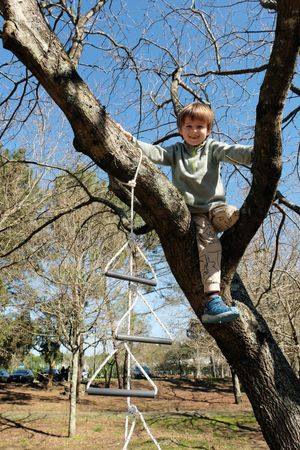
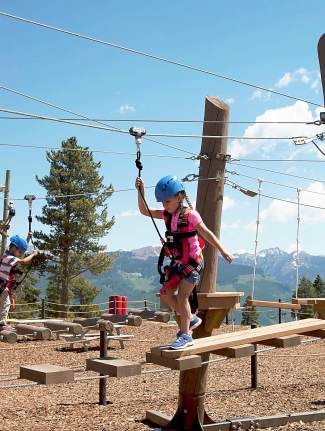
The other factor is shared vulnerability. Camp asks children to try things that scare them, sleep away from home, attempt a climbing wall, perform in a talent show, navigate homesickness. When peers witness each other pushing through fear and succeeding, the emotional bond that forms is qualitatively different from the bond that forms over a shared homework assignment. Research on group dynamics confirms that shared challenges accelerate relationship-building, particularly among young people. The friendships that form through shared vulnerability at camp carry an emotional weight that proximity-based school friendships rarely reach.
How Does Summer Camp Help Kids Make Friends?
Summer camp helps kids make friends through intentional program design that removes the obstacles children face when trying to connect at school. The friendship-building infrastructure at camp includes five structural elements that work together.
First, cabin groups create a built-in social unit. Campers live with a small group of girls the same age, guided by trained counselors whose primary job is to facilitate positive relationships. Unlike school, where a child’s social circle forms by accident of geography or class schedule, the cabin group is a designed community. Counselors lead ice-breaker activities, mediate conflicts, model kindness, and create opportunities for every child to contribute. The ACA reports that counselors at most camp programs participate in up to a week of pre-summer training focused specifically on communication, leadership, and relationship-building facilitation.
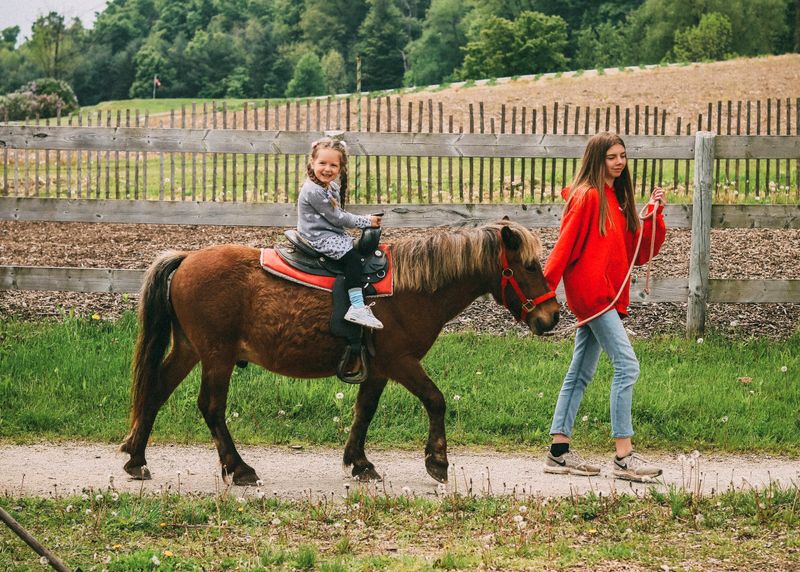
Second, shared activities build common ground. When a cabin group tackles an horseback riding lesson together, they share a novel experience that becomes an instant topic of conversation, an inside joke, a mutual memory. Every activity period generates new shared material that fuels connection. Third, shared meals create daily bonding rituals. Sitting at the same table three times a day, passing food, telling stories, and laughing together cements the social bonds that activities initiate.
Fourth, the absence of parents forces children to rely on each other. A camper who feels homesick turns to her cabin mate, not her mother’s phone. A camper who needs help braiding her hair before the dance asks the girl in the next bunk. These small acts of mutual dependence build trust at a speed that school, where parents remain accessible all day via text, does not produce. Fifth, counselors intentionally pair campers for activities, rotate buddy assignments, and create cooperative challenges that require children to work with different peers throughout the session. This rotation prevents cliques from forming and gives every camper the chance to connect with every other girl in her group.
Why Is It Easier to Make Friends at Camp Than at School?
It is easier to make friends at camp than at school because camp eliminates the structural constraints that make school friendship formation slow, hierarchical, and often screen-mediated. School friendships face five specific obstacles that camp removes entirely:
- Social hierarchies already exist. By second or third grade, most classrooms have established popularity rankings, cliques, and social labels (“the quiet one,” “the sporty one,” “the smart one”). A new friendship has to navigate these existing structures. At camp, every child arrives as a blank slate. No one knows who was popular at school. No one cares. The playing field is level from the first handshake.
- Time together is fragmented. School breaks the day into 45-minute blocks separated by transitions. A child may share one class with a potential friend and never see her again until tomorrow. Camp keeps the same group together all day, every day, for one to two weeks straight.
- Screens mediate most after-school socializing. The 2025 Life in Media Survey from the University of South Florida found that 72% of 11-year-olds own a smartphone, acquired by age 8.5 on average. After school, most peer communication happens through texts, social media, and group chats. These digital interactions lack the eye contact, vocal tone, body language, and emotional nuance that face-to-face conversation provides. The ACA reports that 97% of accredited camps intentionally limit digital device use, which means campers practice the full spectrum of interpersonal communication skills that screens replace.
- Academic pressure competes with social development. At school, the primary goal is learning content. Social interaction happens in the margins, during lunch, recess, and passing periods. At camp, social connection IS the primary experience. Every activity, meal, and evening program is designed to bring children together.
- Peer exposure is limited. Most children attend school with kids from the same neighborhood or district. Camp introduces children to peers from different cities, states, and sometimes countries. The ACA found that 93% of campers said camp helped them get to know kids who are different from them, an outcome that neighborhood-based school friendships rarely produce.
How Does Screen-Free Time Help Kids Build Friendships?
Screen-free time helps kids build friendships by forcing all social interaction into face-to-face channels where children practice the full range of communication skills that healthy relationships require. At camp, a child cannot send a text to avoid an awkward conversation. She cannot scroll Instagram instead of joining the group. She cannot hide behind a screen during a meal. Every interaction happens in person, in real time, with real eye contact and real emotional risk.
The developmental importance of this shift is difficult to overstate. A 2025 report by OnSide Youth Zones titled “Generation Isolation” found that 76% of young people spend most of their free time on screens, and 55% of young people who experience loneliness cite friendship breakdown, feeling left out, or difficulty making new friends as the primary causes. Research published in the Journal of Child and Family Studies found that increases in friendship quality are followed by subsequent decreases in screen time, and increases in screen time are followed by subsequent decreases in friendship quality. The relationship is reciprocal: screens undermine friendships, and strong friendships reduce screen dependence.
Camp breaks this cycle. When screens are removed, children relearn how to read facial expressions, interpret vocal tone, use humor in conversation, practice empathy through physical presence, and resolve disagreements face to face instead of through passive-aggressive text chains. Audrey Monke’s 2014 research across six residential camps found that 95% of campers (140 of 147) reported improvement in their overall social skills after just two weeks. The most improved skills included getting to know more about friends (74% reported improvement), finding ways to meet people they want to be friends with (65%), and understanding friends’ emotions (62%). These are precisely the skills that screen-mediated communication fails to develop.
What Social Skills Do Kids Learn at Summer Camp?
Kids learn a specific, measurable set of social skills at summer camp that transfer directly into school, family life, and future relationships. Monke’s research identified the social skills campers reported improving most frequently, ranked by the percentage of children who experienced growth:
- Getting to know more about friends: 74% of campers reported improvement. Camp creates extended time for deeper conversation, shared experience, and mutual discovery that school’s fragmented schedule does not allow.
- Getting to know people they might want to become friends with: 73% reported improvement. Camp rotates children through activities with different groups, exposing them to potential friends they would never meet at school.
- Enjoying being with friends: 69% reported improvement. Camp removes the academic pressure and screen distraction that dilute the enjoyment of in-person friendship at school.
- Finding ways to meet people they want to be friends with: 65% reported improvement. Counselors model and facilitate friend-making strategies that children internalize and apply independently.
- Choosing people who would be good friends: 64% reported improvement. Exposure to a diverse group of peers helps children identify the qualities they value in a friend, rather than defaulting to whoever sits nearby at school.
- Helping friends have a good time: 64% reported improvement. Shared special events, cabin activities, and cooperative challenges teach children to contribute to others’ happiness, not just their own.
- Understanding friends’ emotions: 62% reported improvement. Living together 24/7 requires children to notice when a cabin mate is sad, scared, homesick, or frustrated, and to respond with empathy rather than avoidance.
- Listening carefully to friends: 60% reported improvement. Face-to-face communication without screens demands active listening in a way that text-based conversation does not.
These eight skills form the foundation of healthy relationships throughout life. The fact that a two-week camp experience produces measurable improvement across all eight dimensions demonstrates how powerful the camp environment is for social development. At ACA-accredited camps, counselors are specifically trained to foster these skills through structured activities, intentional cabin facilitation, and daily modeling of positive social behavior.
| Dimension | Camp Friendships | School Friendships |
| Daily Contact Time | 14-16 hours of face-to-face interaction per day for 1-2 weeks | 1-2 hours of genuine peer interaction per day, fragmented across class periods |
| Social Hierarchy | None. Every child arrives as a blank slate with no pre-existing labels or cliques | Established by 2nd-3rd grade. Popularity rankings, cliques, and social roles shape who connects with whom |
| Screen Presence | 97% of ACA camps limit devices (ACA, 2023). All interaction is face-to-face | 72% of 11-year-olds own smartphones (USF, 2025). Most after-school socializing is screen-mediated |
| Primary Environment | Shared living quarters, outdoor activities, communal meals, campfires | Classroom desks, hallways, cafeteria lines, phone screens after dismissal |
| Friendship Catalyst | Shared challenges, vulnerability, cooperative activities, cabin life | Proximity (same class, same bus), shared interests discovered gradually |
| Adult Facilitation | Counselors trained specifically in relationship facilitation, ice-breakers, and conflict resolution | Teachers focused on academic instruction; social skills taught informally or not at all |
| Peer Diversity | 93% of campers met kids different from them (ACA). Peers from different cities, states, backgrounds | Mostly same neighborhood or school district. Limited exposure to different backgrounds |
Sources: American Camp Association Youth Development Outcomes Study (2005), ACA device-use data (2023), 2025 Life in Media Survey (University of South Florida), Audrey Monke residential camp study (California State University Fresno, 2014), Thurber et al. (2007).
Do Camp Friendships Last After Summer?
Yes, camp friendships last after summer, and the data shows they persist at rates that surprise most parents. The ACA found that 69% of parents reported their child remains in contact with friends made at camp. Many camp alumni describe friendships that continued through high school, college, weddings, and beyond. Former campers frequently cite a camp friend as one of the most important people in their lives, decades after their last summer together.
The reason camp friendships endure across distance is that they are rooted in shared identity rather than shared proximity. School friendships depend heavily on seeing each other every day. When a child changes schools, moves to a new neighborhood, or simply gets a different class schedule, many school friendships fade because the proximity that created them disappears. Camp friendships are built on something deeper: shared experiences, shared vulnerability, shared traditions, and a collective identity as members of the same camp community. That identity does not dissolve when September arrives.
Camp traditions strengthen this effect. Rituals like team competitions, campfire songs, closing ceremonies, and the 10-Year Blanket create shared touchstones that friends reference for years. A study published in the Journal of Social and Personal Relationships found that the quality of a friendship is far more predictive of its longevity than geographic proximity. Camp friendships, built on authentic connection and meaningful shared experience, are high-quality friendships by definition. Research from Spielvogel, Warner, and Sibthorp (2022) confirmed that three years after attending camp, children maintained increases in their willingness to try new things and their affinity for nature, suggesting that the camp experience reshapes how children approach the world long after the session ends.
What Is the Hardest Age to Make Friends?
The hardest age to make friends is typically between 10 and 14, the years surrounding the transition from elementary to middle school. Developmental psychologists identify this period as a time when social dynamics shift dramatically: peer opinions begin to matter more than they did in early childhood, social hierarchies become more rigid, self-consciousness increases, and the desire to “fit in” intensifies. A child who made friends easily in kindergarten may struggle to connect in sixth grade because the social landscape has become more complicated and the stakes feel higher.
The OnSide Youth Zones 2025 report found that 55% of young people who experience loneliness cite friendship breakdown, feeling left out by friends, or difficulty making new friends as the primary issues. The German BELLA/COPSY longitudinal study, which tracked youth mental health across two decades, found that 20.5% of young people reported feeling lonely at least sometimes during the past week in 2024. These numbers reflect a generation navigating social development through screens rather than face-to-face interaction, during developmental years when authentic human connection matters most.
Camp directly addresses this challenge. The 10-to-14 age range is precisely the demographic that overnight camps serve most intensely. A child who struggles to break into a middle school clique arrives at camp and discovers that cliques do not exist here. She is assigned to a cabin group where the counselor’s job is to make sure every girl feels included. She participates in activities where cooperation, not competition for social status, is the point. The ACA found that 92% of campers said the people at camp helped them feel good about themselves, a statistic that speaks directly to the self-doubt that peaks during these difficult friendship years. Camp provides a social reset during the developmental period when children need it most.
Why Are School Friendships Still Important?
School friendships are still important because they provide the daily consistency, academic partnership, and neighborhood-based connection that camp friendships cannot offer from a distance. A school friend walks to the bus stop with your daughter every morning, sits next to her at lunch, works on the group project together, and lives close enough for a weekend playdate. These daily touchpoints maintain a child’s social well-being during the 10 months of the year when camp is not in session.
School friendships also teach children to maintain relationships over long periods within a complex social environment. Learning to navigate a shifting friend group across multiple school years, manage disagreements without walking away, and adapt to new classroom dynamics each fall builds a type of social resilience that camp’s concentrated format does not fully replicate. Both friendship types contribute different strengths to a child’s social development.
The healthiest social life for a child includes both. School friendships provide the steady, year-round foundation. Camp friendships provide the intensive, growth-accelerating supplement. A child who returns from camp with stronger social skills, greater empathy, and increased confidence applies those gains directly to her school friendships in the fall. The ACA’s National Camp Impact Study, which tracked data across five years, found that high-quality camp experiences promote social awareness more than almost any other measurable outcome, and that social awareness translates into every relationship the child enters afterward.
Frequently Asked Questions
What Is the Difference Between Summer Camp and Summer School?
The difference between summer camp and summer school is that summer camp focuses on social, emotional, and physical development through activities, outdoor experiences, and communal living, while summer school focuses on academic instruction and credit recovery or advancement. Camp builds friendships, independence, and confidence. Summer school builds academic knowledge. Camp is organized around fun, challenge, and personal growth. Summer school is organized around curriculum and classroom performance. Both serve different purposes, and many families use camp for the developmental benefits that summer school does not address.
How Many Friends Do Kids Typically Make at Camp?
Kids typically make between 4 and 10 or more new friends at camp. Audrey Monke’s 2014 research found that 44% of campers made 10 or more new friends during a two-week session, 19% made 7 to 9 friends, 14% made 4 to 6, and 14% made 1 to 3. Zero campers in the study reported making no friends. The communal living environment, shared activities, and counselor-facilitated ice-breakers create conditions where every child connects with multiple peers, regardless of personality type or prior social experience.
Can Shy Kids Make Friends at Summer Camp?
Yes, shy kids can make friends at summer camp, and many parents report that camp is where their shy child made her first truly close friendship. Camp removes the established social hierarchies and large-group pressures that make school particularly difficult for introverted children. The cabin group is small (typically 6 to 12 girls with 1 to 2 counselors), the counselor actively facilitates inclusion, and the activities provide natural conversation starters that do not require a child to approach a stranger cold. Shared activities like camp experiences give shy children a way to connect through doing rather than through talking, which is often more comfortable for introverts.
At What Age Do People Start Losing Friends?
People start losing friends most noticeably during major life transitions: the move from elementary to middle school (ages 10-12), the shift from middle to high school (ages 13-14), and the transition to college or adulthood (ages 17-19). Each transition disrupts the proximity-based friendships that school creates. Camp friendships are more resistant to these transitions because they were never based on proximity. A camp friend who lives two states away is no more “distant” in September than she was in June, because the friendship was always maintained across distance. This is why camp friendships often outlast multiple rounds of school friendship turnover.
How Can Parents Help Kids Maintain Camp Friendships After Summer?
Parents can help kids maintain camp friendships after summer by supporting regular contact through video calls, group chats, handwritten letters, and planned visits or reunions. Encourage your daughter to reach out to her camp friends during the school year, especially during holidays and birthdays. Help her prepare for camp the following summer by coordinating session dates with her closest camp friends so they can attend together. Many of the strongest camp friendships grow stronger with each returning summer, and families who prioritize camp friend connections often find that those relationships become some of the most enduring in their daughter’s life.
What It All Comes Down To
Camp friendships and school friendships are not in competition with each other. They develop through different mechanisms, serve different functions, and strengthen different dimensions of a child’s social life. School provides daily connection in a structured academic environment. Camp provides immersive connection in a screen-free, challenge-rich, hierarchy-free environment where children live, eat, play, and grow together 24 hours a day. The research consistently shows that camp produces measurable social skill gains that school friendships alone do not deliver: 96% of campers make new friends, 95% report social skill improvement, and 60% of alumni carry lasting gains in independence, teamwork, and leadership into adulthood.
For a daughter who already has good school friends, camp adds depth, breadth, and resilience to her social world. For a daughter who struggles to connect at school, camp offers a fresh start in a community designed from the ground up to help every child belong. Along the banks of Little River in Mentone, Alabama, Riverview Camp for Girls has been building these friendships since 1924. Enroll your daughter and let her discover the kind of friendship that lasts far beyond the last campfire.