
Most camp parents say the same thing in hindsight: homesickness is temporary, kids adjust faster than you expect, and the independence growth that happens in one or two weeks changes everything. The American Camp Association found that 70% of parents reported their child gained self-confidence at camp, and 92% of campers said the people at camp helped them feel good about themselves. Those numbers reflect the experience of millions of families, but they do not capture the nervousness, second-guessing, and emotional roller coaster that most first-time camp parents go through before, during, and after their daughter’s session. This article covers everything experienced camp parents wish they had known from the beginning: how to tell if your child is ready, how to prepare her (and yourself), what to expect with homesickness, how to communicate during camp, what to pack, what mistakes to avoid, and what the first week home actually looks like.
Is Your Child Ready for Summer Camp?
Your child is ready for summer camp when she shows a combination of interest, basic self-care ability, and emotional readiness for time away from home. There is no single “right” age. Some children are ready at 6 or 7. Others are more comfortable starting at 9 or 10. The readiness signals matter more than the number on the birthday cake.
A child is likely ready if she can manage basic personal hygiene (showering, brushing teeth, dressing) with minimal reminders, can follow multi-step directions from an adult who is not her parent, has successfully spent a night or two away from home (at a grandparent’s house, a friend’s sleepover, or a school trip), and expresses genuine curiosity or excitement about the idea of camp. A child who asks questions about what campers can expect, talks about which activities she wants to try, or asks if her friend can come too is signaling readiness.
A child who cries at the mention of sleeping away from home, has never spent a night apart from her parents, or is currently experiencing significant anxiety about school or social situations may benefit from waiting a year or starting with a shorter session. The ACA reports that over 26 million children and adults participate in camp experiences annually, and camps offer sessions ranging from one week to the full summer. A one-week session gives a hesitant child just enough time to adjust, build confidence, and finish the experience feeling successful rather than overwhelmed.
How Do You Prepare a Child for Their First Time at Sleepaway Camp?
Preparing a child for her first time at sleepaway camp involves four steps that build familiarity, reduce anxiety, and create excitement. The order matters because each step builds on the one before it:
- Talk about what camp will actually look like. Walk through a typical day: wake-up, breakfast in the dining hall, morning activities like horseback riding or swimming, lunch, afternoon activities, free time, dinner, evening programs, campfire, lights out. The more concrete details your daughter has, the less she needs to imagine, and imagination is where anxiety lives. Review the preparing for camp page together so she can see photos, read descriptions, and start picturing herself there.
- Practice time away from home before camp starts. Sleepovers at a friend’s house, a weekend at grandma’s, or even a night at a family camp provide a low-stakes reference point for what it feels like to sleep somewhere new and wake up fine. Each successful night away adds evidence that she can handle separation, which makes the first night at camp feel less like a leap into the unknown.
- Pack together, not for her. Let your daughter choose which clothes to bring, organize her trunk, and check items off the packing list herself. This gives her ownership over the experience before it starts. A child who packed her own bag feels more in control than a child whose mother packed everything while she was at school. Ownership reduces anxiety and builds the first layer of the independence that camp will continue to develop.
- Set positive, honest expectations. Tell her that camp will be fun, that she will try new things, and that some of those things might feel hard at first. Tell her that feeling nervous is completely normal, that every first-time camper feels nervous, and that the nervousness usually fades within the first day or two once she is busy having fun. Do not say “if you hate it, I will come get you.” That promise, while well-intentioned, gives her an exit strategy that prevents full engagement and makes adjustment harder.
Is Homesickness Normal at Summer Camp?
Yes, homesickness is normal at summer camp. Research by Dr. Christopher Thurber, a clinical psychologist who has studied camp adjustment extensively, found that the vast majority of children experience some degree of homesickness during their first camp session. The feeling is most intense in the first 24 to 48 hours and typically resolves within two to three days as the child settles into routines, makes friends, and becomes absorbed in activities.
Homesickness is not a sign that your daughter is not ready for camp. It is a sign that she loves her home and her family, which is healthy. The discomfort she feels is the same discomfort that accompanies any meaningful growth experience: starting at a new school, joining a new team, or moving to a new neighborhood. The difference at camp is that trained counselors are watching for the signs and responding with warmth, distraction, and encouragement. Counselors at ACA-accredited camps receive specific training in how to support homesick campers, from redirecting attention to activities to having one-on-one conversations to partnering the child with a cabin mate who can serve as a buddy.
The critical thing for parents to understand is that homesickness almost always resolves on its own when the child is given time and space to adjust. Intervening too early, whether by calling, promising to visit, or offering to pick her up, disrupts the adjustment process and can make the homesickness worse. The child who pushes through the first two uncomfortable days and discovers that she is having an incredible time on day three gains something profoundly valuable: proof that she can handle discomfort and come out the other side stronger. That lesson is one of the most lasting gifts camp provides.
Should You Let Your Child Call Home from Camp?
No, you should not let your child call home from camp, and most ACA-accredited camps intentionally do not allow camper phone calls for a specific developmental reason. Phone contact with parents during the adjustment period pulls the child’s attention back toward home at the exact moment she needs to be leaning into camp. A phone call gives homesickness a voice and an audience. A letter, by contrast, allows the child to express her feelings at her own pace, on her own terms, without the immediate emotional escalation that hearing a parent’s voice produces.
The ACA reports that 97% of accredited camps intentionally limit the use of digital devices, and phone calls fall under that policy at most residential programs. This is not a punishment. It is a deliberate part of the developmental design. When a child cannot call home, she learns to rely on herself, her counselors, and her cabin mates for support. That reliance is where independence develops. Parents who insist on daily phone contact often find that their child has a harder time adjusting than children whose parents trusted the process and communicated through letters and the camp’s photo updates instead.
If your daughter is having a genuine problem that the camp staff cannot resolve, the camp will call you. That is a commitment every reputable camp makes. In the absence of that call, the best thing you can do is write warm, positive, forward-looking letters and trust that the people you chose to care for your daughter are doing exactly that.
What Happens If Your Child Wants to Come Home Early?
If your child wants to come home early, the camp’s trained staff will work with her to identify the source of the discomfort and help her move through it. In the vast majority of cases, the desire to leave is a temporary emotional response to the newness of the experience, not a sign that something is genuinely wrong. Experienced camp directors report that children who express a desire to leave on day one or two are often the same children who cry at pickup because they do not want to go home.
The single most important thing parents can do is avoid promising an early pickup before camp starts. The promise “if you don’t like it, I’ll come get you” puts the child in evaluation mode instead of participation mode. She arrives looking for reasons to leave instead of reasons to stay. Every minor discomfort, a rainy afternoon, a cabin mate who snores, a meal she does not love, becomes evidence that camp is not working. Without the exit promise, the child processes the same discomforts as normal parts of a new experience and moves on. The ACA found that 74% of campers did things at camp they were initially afraid to do, a statistic that only exists because those children stayed long enough to push through the fear.
Instead of promising rescue, communicate confidence. Say “I know this is new and that might feel scary. I also know how strong you are. I have faith in you and I trust the camp to take care of you.” That message gives your daughter a framework for resilience rather than a framework for retreat.
What Should You Pack for Summer Camp?
What you should pack for summer camp depends on the camp’s specific packing list, but the principles are consistent across most overnight programs. The goal is to pack enough for your daughter to be comfortable, clean, and prepared for all activities without overpacking to the point where organization becomes overwhelming. Common packing essentials include:
- Enough clothing for the session length plus two extra outfits for spills, mud, and unexpected weather. Label every item with your daughter’s name. Clothes get mixed up in cabin laundry, and labeled items find their way home.
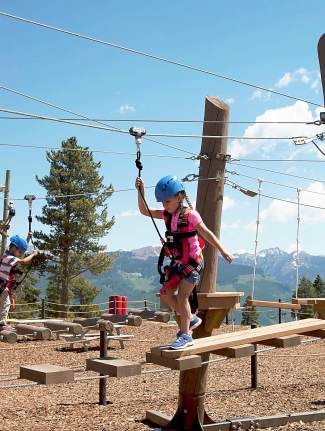
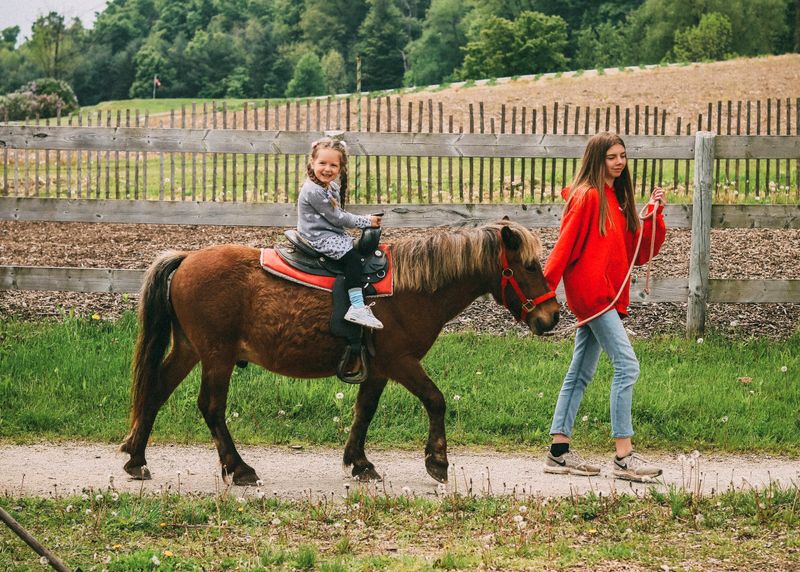
- Closed-toe shoes for activities (riding boots if the camp offers horseback riding, athletic shoes for sports and ropes course), water shoes or sandals for the pool or lake, and one pair of comfortable shoes for evening programs.
- Toiletries in a portable caddy: shampoo, conditioner, soap, toothbrush, toothpaste, deodorant, sunscreen, and insect repellent. Travel-size containers save space. Include a brush or comb and hair ties.
- Bedding: sleeping bag or twin sheets and a blanket (check the camp’s specification), a pillow, and a flashlight for nighttime trips to the restroom.
- A rain jacket and a light sweatshirt or hoodie, even if the forecast looks clear. Mountain and lakeside camps can get cool at night and weather changes quickly in the summer.
- Stamped, pre-addressed envelopes and stationery for writing letters home. Making letter-writing easy increases the chance your daughter will actually do it.
Do not pack electronics, excessive snacks (most camps provide plenty of food), or expensive items that could get lost or damaged. Check the camp’s preparation checklist for any camp-specific requirements or restrictions.
How Should Parents Communicate with Their Camper?
Parents should communicate with their camper through positive, forward-looking letters that express confidence in the child and curiosity about what she is doing. The tone of your letters matters more than you might think. A child reads between the lines. A letter full of “I miss you so much” and “the house is so empty without you” communicates that home is sad and incomplete, which amplifies homesickness. A letter that says “I can’t wait to hear about the camp traditions this session” and “I bet you are having so much fun riding horses” communicates that you are happy for her and confident in her ability to thrive.
Write your first letter before she leaves and mail it so it arrives on day one or two. That first letter waiting for her at mail call provides a warm connection to home without the emotional intensity of a phone call. Keep subsequent letters brief, cheerful, and focused on her experience rather than yours. Ask questions about activities, friends, and funny moments. Avoid sharing news about fun things the family is doing without her, upsetting current events, or problems at home that she cannot do anything about from camp.
Most camps post daily photos to a parent portal, and many send email updates or blog posts from the directors. These communication channels give you a window into your daughter’s camp experience without pulling her out of it. If you have a specific concern about your daughter’s wellbeing, call the camp office. The staff will check on her and call you back with an update. That is always preferable to asking your daughter to call you directly.
What Should Parents Expect When Camp Ends?
Parents should expect a child who comes home from camp in a state that experienced families call “campsickness,” the reverse of homesickness. Your daughter may seem quiet, distant, or emotionally flat for the first few days after pickup. She may answer your questions in one-word responses, spend time looking at camp photos instead of engaging with the family, or say she misses her camp friends more than she missed you. This is completely normal and is not a reflection of how she feels about her family.
Campsickness happens because camp is an immersive, high-intensity social experience that ends abruptly. For one or two weeks, your daughter was surrounded by friends 24 hours a day, doing exciting activities from sunrise to campfire, and living in a community where she felt valued and included. Returning to a quiet house, a normal routine, and the absence of her cabin mates is a significant emotional shift. The adjustment back to home life usually takes three to five days, after which the campsickness fades and your daughter returns to her regular self, often with noticeably more confidence, independence, and maturity than she had before she left.
Give her space to process the transition. Ask open-ended questions about her favorite moments when she is ready to talk. Do not take the quietness personally. And if she immediately starts asking about next summer, take it as the highest possible compliment to the experience you gave her.
What Do Parents Wish They Had Done Differently?
Parents of returning campers consistently identify the same set of mistakes they made during their daughter’s first summer. Recognizing these patterns in advance helps first-time families avoid the most common pitfalls.
| Common First-Time Mistake | What Experienced Parents Recommend Instead |
| Promising “I’ll come get you if you don’t like it” | Say “I have faith in you and I trust the camp.” Communicate confidence, not an escape plan. |
| Showing visible anxiety at drop-off | Keep your goodbye brief, warm, and positive. Save your tears for the car. Your daughter takes emotional cues from you. |
| Calling the camp daily for updates | Check the photo portal. Write letters. Call only if you have a specific concern that the portal does not address. |
| Writing letters full of “I miss you so much” | Write letters full of “I bet you are having a blast.” Focus on her experience, not your feelings about her absence. |
| Sending care packages with food and comfort items | Many camps discourage or prohibit care packages because they create inequality in the cabin. Send letters and small flat mail items instead. |
| Overpacking the trunk with every possible item | Pack what the list says and nothing more. Camp teaches simplicity. A child who has too much stuff has too much to manage. |
| Lingering at drop-off to make sure she is okay | Say goodbye, give a hug, and leave. Counselors take over immediately. Your daughter will engage faster if you are not watching from the parking lot. |
| Expecting detailed reports when camp ends | Give her space to decompress. The stories will come in pieces over days and weeks, not in a download on the drive home. |
Sources: Compiled from experienced camp parent feedback, ACA parent resources, and camp director recommendations across multiple ACA-accredited programs.
Frequently Asked Questions
What Is the Best Age to Send Kids to Summer Camp?
The best age to send kids to summer camp depends on the child’s maturity and readiness rather than a specific number. Most overnight camps serve children ages 6 to 16, with the most common starting age between 7 and 10. Children who have successfully spent a night or two away from home, can manage basic self-care, and express interest in the idea of camp are generally ready. Starting with a one-week session gives younger or more hesitant children a manageable first experience that builds confidence for longer sessions in future summers. Review session dates early, as popular sessions fill quickly.
What Percentage of American Kids Go to Summer Camp?
Approximately 12% of American children attend summer camp, according to the ACA. Over 26 million children and adults participate in camp experiences annually across more than 15,000 camps in the United States. Camp attendance has grown steadily over the past two decades, with the most popular session length for overnight camps being two weeks (47% of inquiries), followed by one week (32%).
How Long Does It Take a Child to Adjust to Camp?
Most children adjust to camp within the first two to three days. The first 24 to 48 hours are typically the hardest, as the child navigates a new environment, new people, and new routines all at once. By day three, routines feel familiar, friendships have started forming, and the child is engaged in activities. By the end of the first week, most first-time campers are fully immersed in camp life and no longer counting the days until pickup. Our frequently asked questions page covers additional details about the daily schedule and camp routines that help children settle in.
Do Parents Still Send Their Kids to Summer Camp?
Yes, parents still send their kids to summer camp, and enrollment continues to grow. The ACA reported that approximately 80% of camps saw the same or higher enrollment compared to previous summers. Families increasingly recognize camp as a developmental experience that builds independence, social skills, and confidence in ways that school and screen-based activities cannot replicate. Research from Richmond, Sibthorp, and Wilson (2019) found that 60% of camp alumni report lasting gains in independence, teamwork, and leadership, which helps explain why many families make camp an annual tradition.
What If My Child Has Never Been Away from Home Before?
If your child has never been away from home before, start building up to camp with shorter separations: a sleepover at a friend’s house, a weekend at a relative’s home, or a day camp experience during a school break. These small steps give your daughter a reference point for what it feels like to be away and be fine. When camp arrives, she will already have evidence that she can handle a night without her parents. Many first-time campers with no prior separation experience adjust beautifully at camp because the environment is so engaging and the counselor support is so strong, but practicing beforehand reduces the intensity of that first night.
The Takeaway for First-Time Camp Families
Every experienced camp parent was once a first-time camp parent. The nervousness you feel is the same nervousness millions of parents before you have felt, and the outcome is almost always the same: your daughter thrives. She makes friends. She tries things she never imagined. She comes home more confident, more independent, and more capable than the child who left. The ACA data backs it up: 96% of campers make new friends, 74% do things they were initially afraid to do, and 70% of parents see self-confidence gains. Those numbers are not marketing. They are the documented experience of thousands of families across decades of research.
Trust your daughter. Trust the camp. Take the step. Riverview Camp for Girls has been welcoming first-time campers to the banks of Little River in Mentone, Alabama since 1924. Your daughter’s story at camp is waiting to begin. Enroll today.