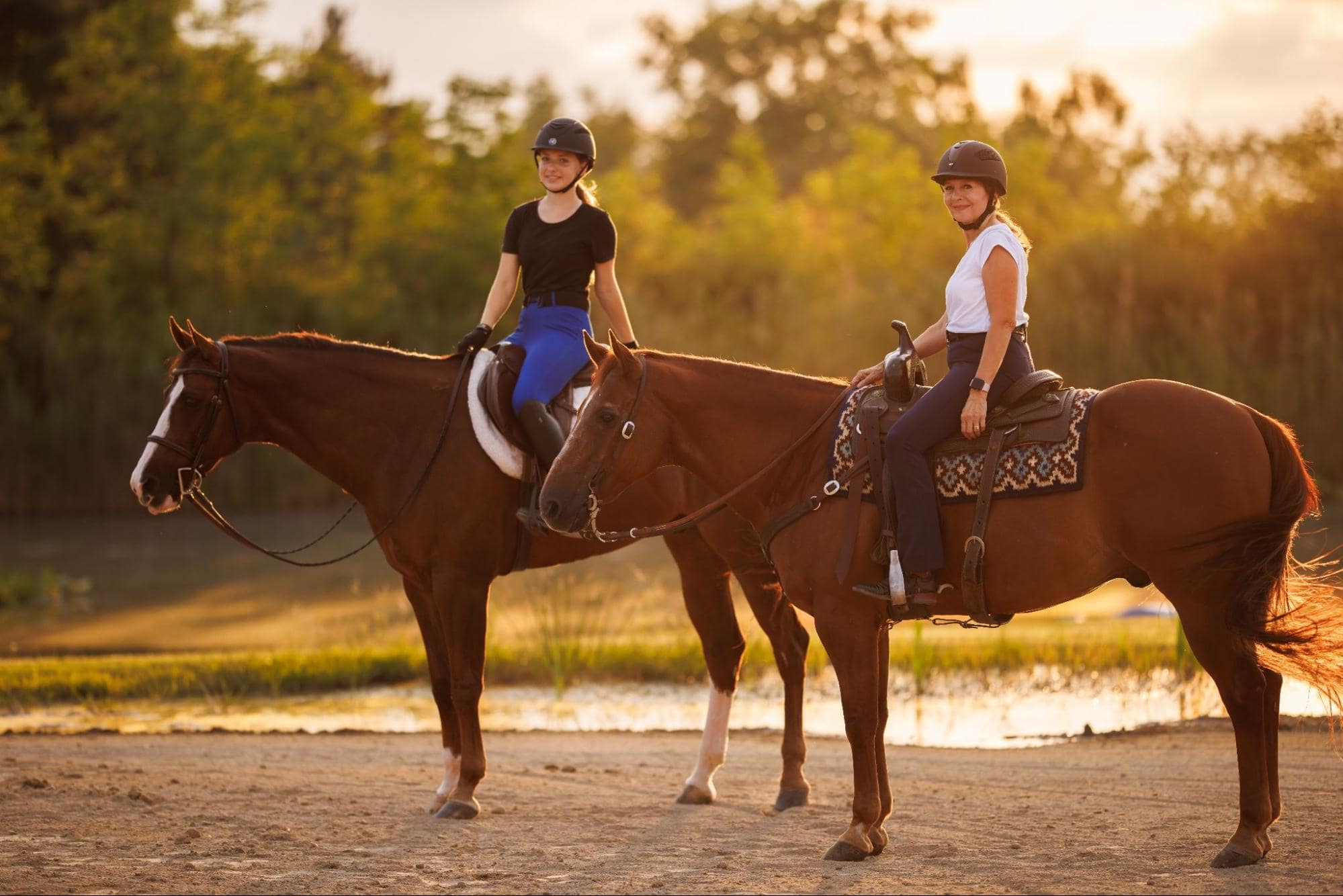

Sending siblings to summer camp together provides built-in comfort and shared family memories, but it requires balancing togetherness with individual growth. A familiar face nearby helps first-time or younger campers settle into new surroundings with less anxiety. Siblings often build new inside jokes and bonds through shared camp songs, meals, and activities that carry into the school year. The potential for dependency is the main consideration: children who stick too closely together might miss out on making new friends or trying independent challenges. The approach that works best for most families is sending siblings to the same camp but requesting separate cabins or activity groups, so each child can foster her own independence while remaining on the same grounds. Assessing each child’s readiness individually, considering separate cabins, and simplifying logistics through sibling discounts and shared drop-off schedules are the practical steps that set siblings up for a successful camp experience together.
What Are the Benefits of Sending Siblings to the Same Camp?
The benefits of sending siblings to the same camp include reduced homesickness, shared memories that strengthen the sibling bond, simplified logistics for parents, and financial savings through sibling discounts. Each of these benefits addresses a real concern that parents face when planning summer activities for more than one child. According to the American Camp Association (ACA), more than 26 million children and adults attend camp each year in the United States, and families with multiple children represent a significant share of that enrollment.
The logistical advantage is the most immediately practical benefit. When siblings attend the same camp, the packing list is the same, the preparation timeline is the same, the drop-off and pick-up schedule is one trip instead of two, and the communication channel with camp staff is centralized. Parents with two or three daughters heading to the same session can plan everything once rather than coordinating across separate programs with separate calendars. This simplification reduces stress for the whole family during what is already a busy time of year.
Financial savings add up quickly. Most camps offer 5 to 15% sibling discounts, according to industry analysis by DaycareCalc. We offer a 5% sibling discount after the first girl from a family registers, and each additional sister from that family receives that same discount. Multi-session discounts stack on top of sibling discounts for families who enroll daughters in longer stays, making extended dates and rates more accessible for multi-child households. A NerdWallet survey found that 25% of parents plan to spend over $2,000 per child on summer camp, so every discount directly reduces the financial barrier to giving all your children the camp experience.
Does Having a Sibling at Camp Help With Homesickness?
Yes, having a sibling at camp helps with homesickness by providing a familiar face and a built-in source of emotional support during the transition away from home. Research by Dr. Christopher Thurber, cited by the ACA, found that 83% of campers experience homesickness on at least one day of camp. Homesickness peaks during the first two to three days, when everything feels unfamiliar and the comfort of home is still fresh in the child’s mind. A sibling who is nearby, even in a different cabin, provides a touchpoint that makes the unfamiliarity feel smaller.
Younger campers benefit the most from this dynamic. A 7-year-old attending her first session often finds comfort in knowing her 10-year-old sister is somewhere on the same grounds. The older sibling does not need to be present every moment. Simply knowing she is there, that they will see each other at meals and evening programs, reduces the emotional intensity of being away from home. Older siblings often check in with their younger sisters more than parents expect, especially during the first few days. That protective instinct happens naturally at camp, even between sisters who bicker at home.
The emotional safety net works both directions. Returning campers who bring a younger sibling for the first time often feel a sense of responsibility and pride in showing their sister the camp traditions they already know. That caretaker role gives the older child a deeper connection to camp, while the younger child gets a personal guide through the first few days of adjustment.
How Do Siblings Bond at Summer Camp?
Siblings bond at summer camp by sharing experiences that only they understand, building memories outside the routines and pressures of home life. Camp creates a context where siblings relate to each other differently than they do at home. At home, siblings compete for parent attention, screen time, bathroom access, and the last slice of pizza. At camp, those triggers disappear. There are no parents to mediate, no homework to argue about, and no screens to fight over. What remains is the raw sibling relationship, stripped of the daily friction that home life generates.
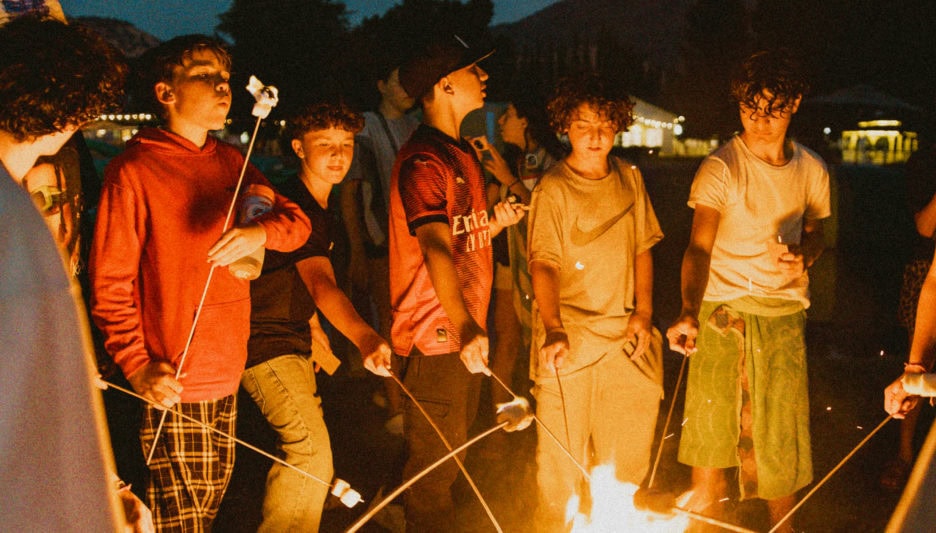
The ACA’s 5-Year National Camp Impact Study found that 58% of youth reported that camp helped them appreciate being present in the moment, specifically through taking time away from technology, developing in-person relationships, and reducing distractions. When siblings share that screen-free, present-moment experience together, the bond deepens in ways that a family vacation with hotel Wi-Fi and individual devices cannot replicate. We see sisters at special events cheering for each other, singing camp songs together at campfire, and retelling stories from the day at mealtimes. Those shared moments become a private language between siblings that lasts well beyond closing day.
When Should Siblings Go to Different Camps?
Siblings should go to different camps when they have vastly different interests, when intense rivalry between them would overshadow the experience, when one child feels consistently overshadowed by the other, or when one sibling simply needs space to develop her own identity. Sending siblings to the same camp is not always the right decision, and recognizing when separate experiences serve each child better is an important part of the planning process.
A 2023 YouGov poll found that 46% of Americans with at least one sibling say they had rivalries growing up. Sibling rivalry is a normal part of childhood, and moderate rivalry can actually help children develop social skills and emotional expression. Camp often reduces rivalry rather than amplifying it, because the triggers of home competition are removed. However, when the rivalry between two siblings is intense enough that being near each other generates consistent conflict, separate camps give each child the breathing room to grow independently without the pressure of a sibling watching, comparing, or competing.
Interest mismatches are another clear signal. One daughter may love horseback riding, canoeing, and outdoor adventure, while her sister gravitates toward theater, art, and music. A camp that offers 20+ activities can accommodate both interests under one roof, but a child whose passion is deeply specialized may thrive more at a camp designed around that single focus. The following signs suggest separate camps may be a better fit:
- One sibling consistently feels compared to or overshadowed by the other in group settings.
- The siblings argue significantly more than they cooperate, even in neutral environments outside the home.
- Their age gap is wide enough that they would have no overlapping peer group, activities, or cabin area at camp.
- One child has attended camp before and the other is reluctant, and the reluctant child may feel pressured rather than supported by the sibling’s presence.
- Their interests are so different that one child would feel forced into activities she does not enjoy.
Choosing separate camps is not a failure. It is a recognition that each child is an individual with her own needs, and sometimes the best way to strengthen the sibling relationship is to give each sister her own distinct experience to bring home and share.
Should Siblings Share a Cabin at Summer Camp?
No, siblings should generally not share a cabin at summer camp, because separate cabin placement allows each child to make her own friends, develop her own identity, and build the independence that camp is designed to foster. This is the recommendation of most camp professionals and the approach that produces the strongest outcomes for both children. The ACA Youth Outcomes Study found that 96% of campers report that camp helped them make new friends, and that outcome depends on each child forming relationships with cabin mates independently.
Separate cabins create the ideal balance: siblings attend the same camp, eat meals in the same dining hall, see each other at evening programs and opening day, and can check in during free time, but they sleep, play, and learn with their own peer group. We handle cabin-mate requests with care, and parents can communicate their preferences for sibling placement during the enrollment process. Most families find that separate cabins give each daughter her own camp story to tell, while the shared camp experience gives them common ground to bond over at home.
The exception is a very young first-time camper who would struggle significantly without a sibling nearby. In those cases, placing siblings in adjacent cabins rather than the same cabin still provides proximity without removing the independence benefit. The goal is always to support each child’s individual growth while honoring the comfort that a sibling connection provides.
Can Siblings Choose Different Activities at the Same Camp?
Yes, siblings can choose completely different activities at the same camp. At a camp with a broad activity menu, each child selects her own daily schedule based on her own interests. One sister may choose horseback riding, archery, and swimming, while the other selects arts and crafts, cheerleading, and the ropes course. Each camper selects her six favorite activities on the first afternoon and participates in them daily for her session. That individual selection process means siblings naturally develop separate routines, separate skill sets, and separate friend groups within the same camp life community.
The activity independence reinforces the separate-cabin benefit. By the end of the first week, each sibling has her own schedule, her own cabin group, and her own set of accomplishments to share. Research from the ACA’s 5-Year National Impact Study shows that the most compelling camp outcomes emerge in relation to independence and social awareness, both of which develop faster when each child navigates her own activity choices rather than following a sibling’s lead.
How Does Summer Camp Reduce Sibling Rivalry?
Summer camp reduces sibling rivalry by removing the environmental triggers that cause most sibling conflict at home: competition for parent attention, shared physical space, screen time disputes, and the daily pressures of school and homework. About 90% of people in Western families grow up with at least one sibling, according to Statista data, and rivalry between those siblings is one of the most common features of childhood. Camp does not eliminate sibling rivalry permanently, but it creates a window where the rivalry pauses and the positive aspects of the relationship surface.
At home, siblings compete for a finite resource: their parents’ time and attention. At camp, that resource is redistributed. Each child receives attention from her own counselor, her own cabin group, and the broader camp community. The competition for parent attention disappears entirely for the duration of the session. Research from the University of Rochester found that children with warm sibling relationships experience less emotional distress, and shared positive experiences, like camp, build the warmth that reduces conflict long after the session ends.
We see this pattern repeat every summer. Sisters who arrive on opening day bickering over who gets the window seat leave on closing day arm-in-arm, retelling stories from the week. The camp environment gives siblings permission to appreciate each other without the daily friction that home life creates. A study published in the ACA’s Camping Magazine found that 92% of campers say the people at camp helped them feel good about themselves. When both siblings feel individually valued and confident, the need to compete with each other fades. That shift in dynamic often carries back into the school year, where parents notice their daughters getting along better after a shared camp experience than they did before.
The following comparison draws on data from the ACA Youth Outcomes Study, the ACA 5-Year National Impact Study, and a 2023 YouGov poll on sibling dynamics to summarize the key differences between sending siblings together and sending them to separate camps.
| Factor | Same Camp Together | Separate Camps |
|---|---|---|
| Homesickness | Reduced; familiar face provides comfort during the first 2-3 days of adjustment | Higher initial risk; each child adjusts independently without a sibling safety net |
| Independence | Strong with separate cabins; each child still develops her own identity and friendships | Maximum; no sibling influence on the experience at all |
| Sibling Bonding | Strengthened through shared memories, campfire, meals, and camp-wide events | Limited; siblings bring home separate, non-overlapping stories |
| Rivalry Reduction | Strong; camp removes home-based triggers while keeping siblings in the same community | Strong; complete physical separation eliminates all comparison opportunities |
| Parent Logistics | Simplified; one schedule, one packing list, one drop-off location | More complex; separate schedules, separate communication, separate travel |
| Cost | Lower; sibling discounts of 5-15% reduce total tuition | Higher; full tuition at two separate programs with no sibling discount |
How Does Camp Help Siblings Become More Independent?
Camp helps siblings become more independent by giving each child her own cabin community, her own activity schedule, and her own set of daily responsibilities that she manages without parental or sibling help. Independence is one of the most well-documented outcomes of the camp experience. The ACA’s 5-Year National Impact Study found that independence, social awareness, and perseverance are among the skills most distinctly developed at camp, and 60% of camp alumni report improved independence, teamwork, and leadership skills.
For siblings specifically, camp creates independence in a unique way. At home, the older sibling often takes charge while the younger sibling follows. At camp, each child is placed in an age-appropriate cabin group where she is neither the leader nor the follower by default. She earns her place in the group through her own actions, her own kindness, and her own willingness to try new things. That process builds a self-concept that is separate from the sibling identity.
The counselors in training program at camp offers older campers a leadership pathway that further separates the sibling dynamic. A 14-year-old in the CIT program has responsibilities, a schedule, and a peer group that are entirely distinct from her younger sister’s experience in the junior cabins. The age-appropriate separation allows each sister to grow at her own pace without comparison. A shy child who tends to hide behind a bolder sibling at home often discovers her own voice at camp, where the bolder sibling is not present in the same cabin to speak for her.
What Age Gap Works Best for Siblings at Camp?
The age gap that works best for siblings at camp depends on the camp’s age range and cabin structure, but siblings within 2 to 4 years of each other generally share the most overlapping peer experiences, while wider gaps create more naturally separate experiences. Both dynamics can be positive. The key is understanding what each age gap produces so parents can set expectations accordingly.
Siblings close in age (1 to 3 years apart) often share the same session dates, similar activity options, and overlapping friend groups. They may see each other frequently throughout the day. The closeness in age means they relate to camp at a similar developmental level, which deepens the shared experience they bring home. The downside is that close-in-age siblings are also the most likely to compare themselves to each other, so separate cabin placement is especially important for this group.
Siblings with a wider gap (4 to 6+ years) have more naturally separate experiences. A 7-year-old in the junior cabins and a 13-year-old in the senior lodges live in different areas of camp, participate in different activity levels, and attend different evening programming. They still share meals, campfire, and camp preparation logistics, but their daily lives at camp are distinct enough that comparison rarely becomes an issue. The wider gap often produces the “big sister showing the ropes” dynamic, which benefits both children.
What Happens When One Sibling Is Ready for Camp and the Other Is Not?
When one sibling is ready for camp and the other is not, the best approach is to send the ready child and give the younger or more hesitant sibling more time to develop readiness at home. Forcing a child who is not ready into camp because her sister is going rarely produces a positive outcome. The reluctant child may associate camp with anxiety rather than excitement, and the ready child may feel burdened by responsibility for her sister’s emotional state.
A short-term session is a good middle ground. A one-week session gives the hesitant sibling a low-commitment way to experience camp without the pressure of a longer stay. Female campers account for 56% of total camp enrollment, according to ACA data, and many of those girls started with a short session before committing to a full two-week experience. The older sister’s enthusiasm often becomes the best recruiting tool: when the younger sibling hears the stories and sees the excitement her sister brings home, she often asks to go the following year on her own terms.
How Do You Prepare Siblings for Camp Together?
You prepare siblings for camp together by talking with each child individually, setting expectations about separate cabins and independent schedules, packing separately, and discussing how they will check in with each other during the session. The preparation process for siblings requires more intentionality than preparing a single child, because each sibling may have different anxieties, different excitement levels, and different expectations about what camp will be like.
The following steps help families prepare siblings for a successful shared camp experience:
- Talk with each child individually about what she hopes to experience at camp. One daughter may be excited about horseback riding while the other is nervous about sleeping away from home. Addressing each child’s feelings separately prevents one sibling’s excitement from overshadowing the other’s concerns.
- Explain the separate-cabin approach before arrival. Let each child know she will have her own cabin, her own counselor, and her own group of friends. Frame this as an exciting opportunity, not a separation.
- Pack separately. Each child should have her own labeled trunk or bags with her own supplies. Shared items create conflict. The packing list specifies everything each camper needs individually.
- Agree on a check-in plan. Many siblings plan to meet at meals or during free time to share highlights from their day. Setting this expectation before camp gives each child something to look forward to without creating dependency.
- Avoid comparisons. Do not tell one child to “be more like your sister” or “watch how your sister handles it.” Each child’s camp experience is her own, and comparisons undermine the independence camp is designed to build.
- Discuss what happens if one child feels homesick. Let each sibling know that the counselors are the first resource, not the sister. This prevents the older sibling from feeling responsible for the younger one’s emotional state and allows the younger child to develop her own coping skills.
What Should Parents Expect When Sending Siblings to Camp for the First Time?
Parents should expect an adjustment period of 2 to 3 days, some initial clinginess between siblings, and then a gradual shift toward independent engagement with their own cabin groups. The first day is often the most emotionally intense for both children and parents. Sisters may want to sit together at the first meal, find each other between activities, and check on each other at bedtime. By the second or third day, the cabin community takes hold. Each child finds her rhythm, her friends, and her own routine. The sibling check-ins become shorter and more casual, a quick wave at swimming or a shared laugh at campfire rather than a prolonged need for reassurance.
Parents should also expect that their children will come home with different stories. One sister may rave about the ropes course while the other cannot stop talking about her cabin mates. The differences are a sign that each child had her own experience, which is exactly what camp is designed to produce. The shared experience is the backdrop; the individual growth is the outcome. According to the ACA, 70% of parents report that their children gained self-confidence at camp. When two sisters both come home more confident, more independent, and more appreciative of each other, parents see the full return on the camp investment.
Frequently Asked Questions
Do Camps Offer Sibling Discounts?
Yes, most camps offer sibling discounts ranging from 5 to 15% off tuition for the second child enrolled. We offer a 5% sibling discount for each sister after the first from a family registers. Multi-session discounts are also available for girls attending more than one session in the same summer. These discounts can be combined with pre-registration savings, depending on timing.
What Are Some Sibling Bonding Activities at Camp?
Sibling bonding activities at camp include shared mealtimes, campfire singing, team competitions, special event nights, and informal free-time meetups. Sisters who attend the same camp often develop a routine of meeting at lunch or dinner to swap stories from their separate activity schedules. Evening programs, talent shows, and closing ceremonies provide additional moments where siblings can cheer each other on and celebrate together.
Should I Send My Shy Child to Camp With a Bolder Sibling?
Sending a shy child to camp with a bolder sibling can help, but only if the shy child is placed in a separate cabin where she has the opportunity to develop her own friendships independently. A bolder sibling’s presence provides background comfort, but the shy child’s growth happens in her own cabin, with her own peer group, under the guidance of her own counselor. The goal is for the shy child to discover her own strengths without relying on her sister as a social crutch.
How Do Camp Counselors Handle Sibling Conflicts?
Camp counselors handle sibling conflicts by treating each child as an individual camper first and a sibling second. Separate cabin placement means most sibling interactions happen during shared camp-wide activities, where the structured environment reduces opportunities for conflict. When disagreements arise, counselors address them the same way they address any camper conflict: through conversation, perspective-taking, and guided resolution. The camp setting tends to defuse sibling tension because the triggers of home-based rivalry are absent.
What If One Sibling Loves Camp and the Other Wants to Come Home?
When one sibling loves camp and the other wants to come home, the camp staff works with each child individually. The homesick child receives support from her counselor without involving the sibling, so the sibling who is thriving does not feel guilty or responsible. Most cases of homesickness resolve within the first 2 to 3 days as the child settles into her cabin routine and begins forming friendships. In severe cases, the camp communicates directly with parents to determine the best course of action for that individual child.
Can a Younger Sibling Visit an Older Sibling’s Cabin?
Cabin visiting policies vary by camp. In most residential camps, campers stay with their assigned cabin group during activity periods and rest time. Siblings can typically see each other during meals, free time, and camp-wide events. The separation during structured time is intentional because it gives each child the space to form her own connections and develop independence within her age group.
The Takeaway
Sending siblings to camp together works well for most families when the approach balances togetherness with independence. A familiar face on campus reduces homesickness, shared camp memories create a bond that lasts long after the session ends, and simplified logistics make the planning process easier for parents. Separate cabins and individual activity schedules give each child room to grow on her own terms, which is the outcome that 70% of parents cite when they report increased self-confidence in their children after camp.
The decision comes down to knowing your children. Sisters who can benefit from time together in a structured, screen-free environment on Lookout Mountain in Mentone, Alabama will find that camp strengthens their relationship in ways that home life alone cannot replicate. If you are ready to give your daughters that experience, Riverview Camp for Girls welcomes sisters of all ages, from first-time 6-year-olds to returning 16-year-olds. You can enroll today or call us at 256-634-4043 to talk through session options, cabin placement preferences, and sibling discounts.