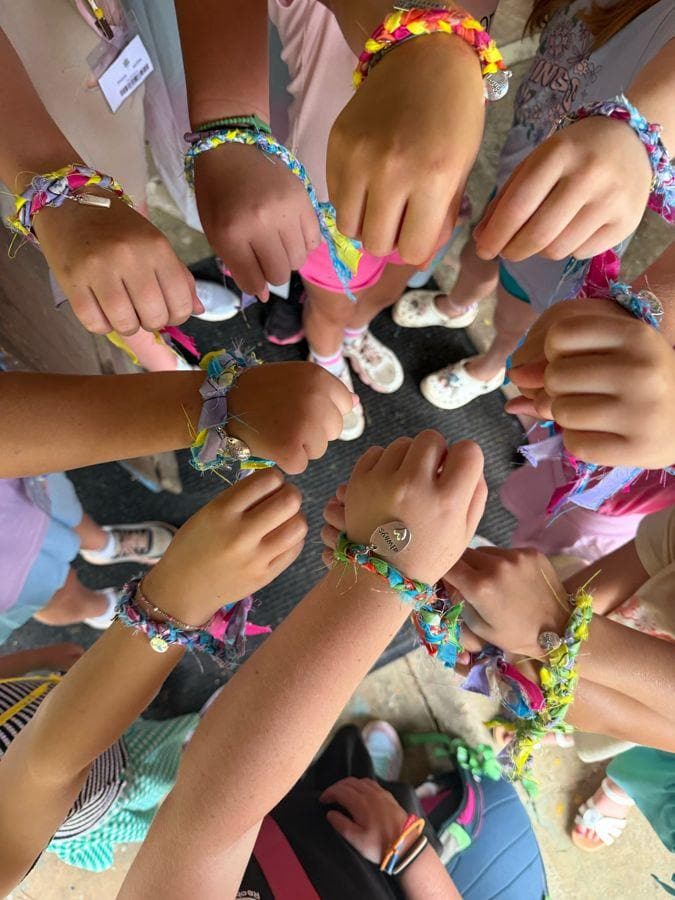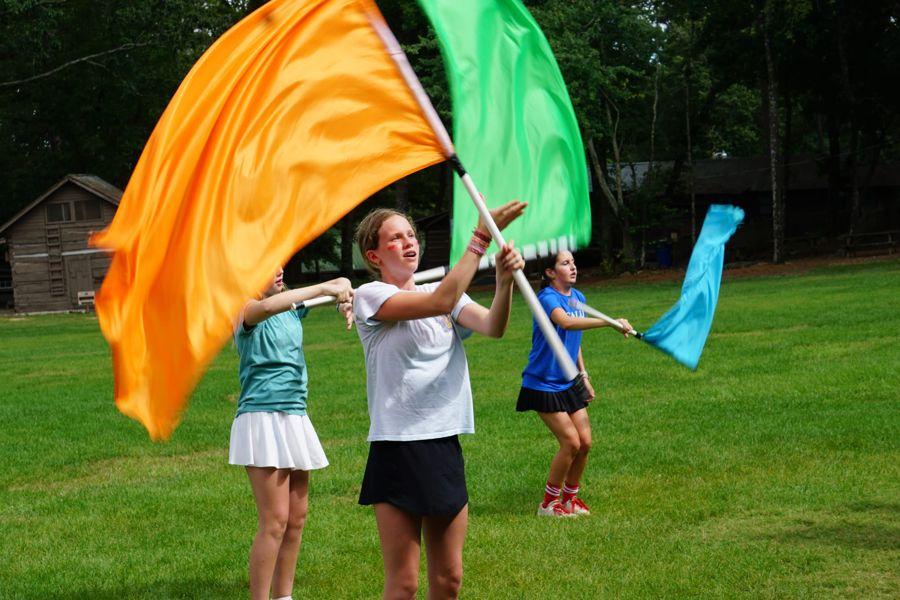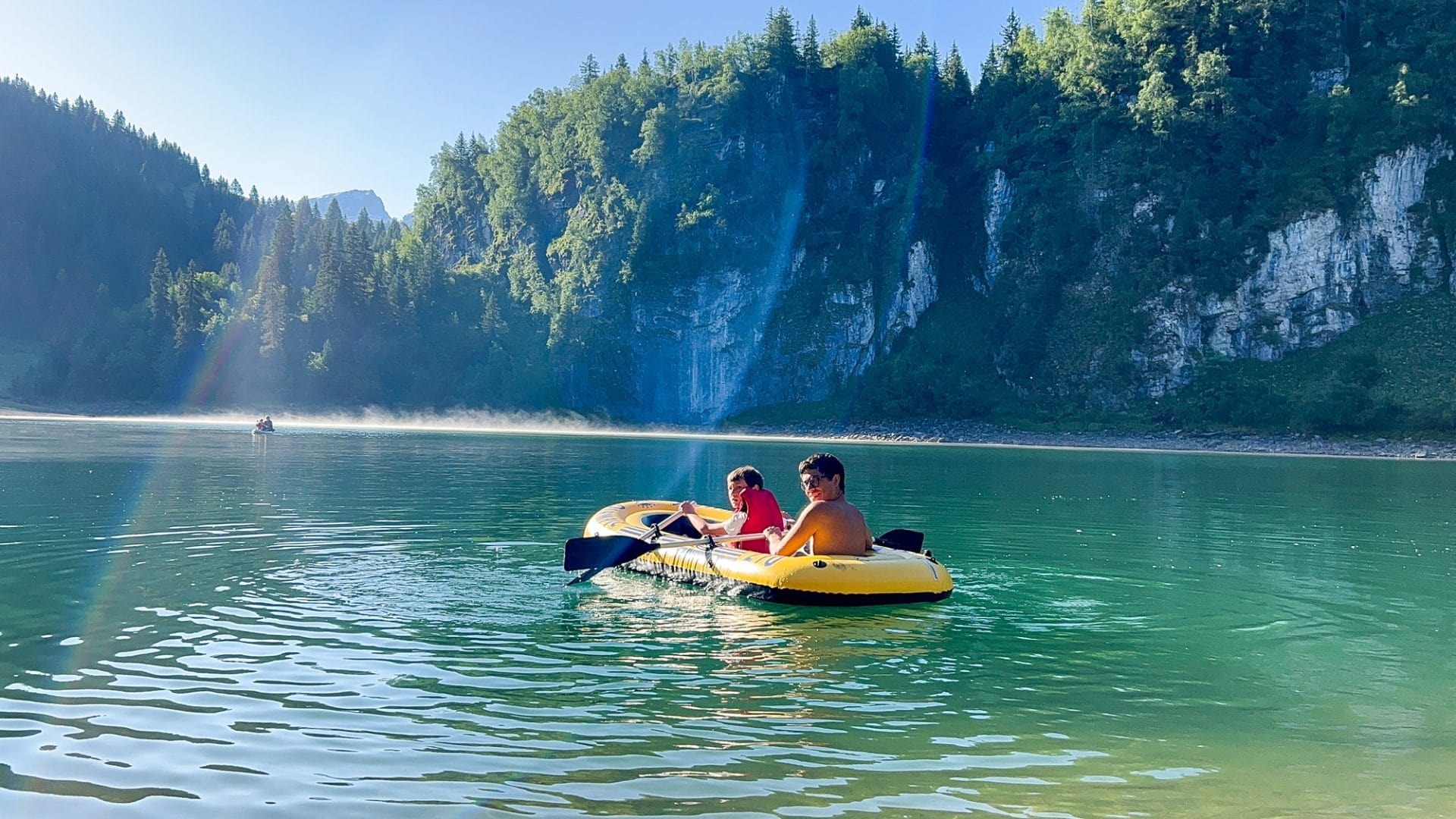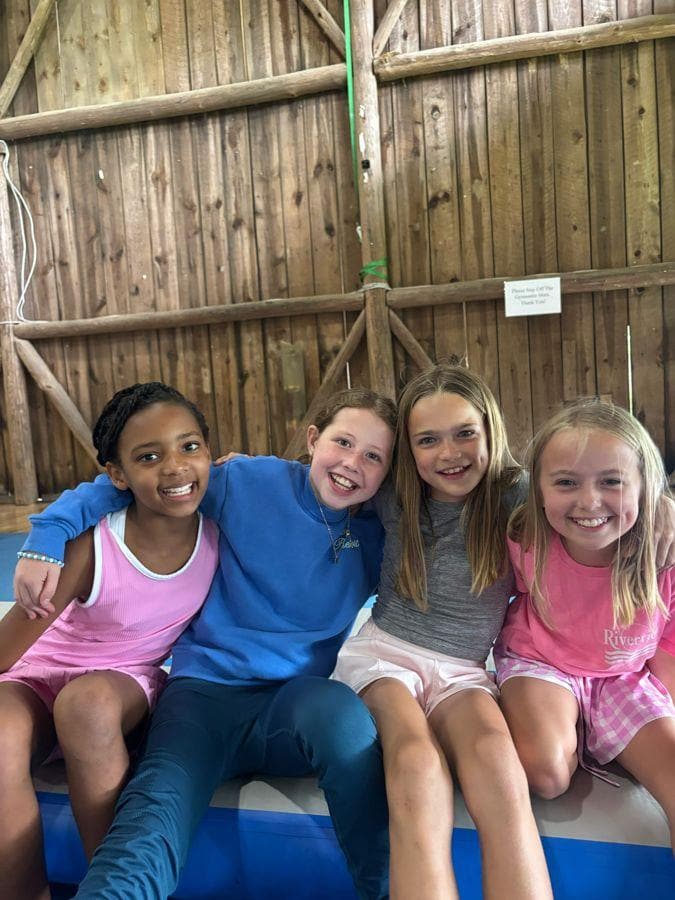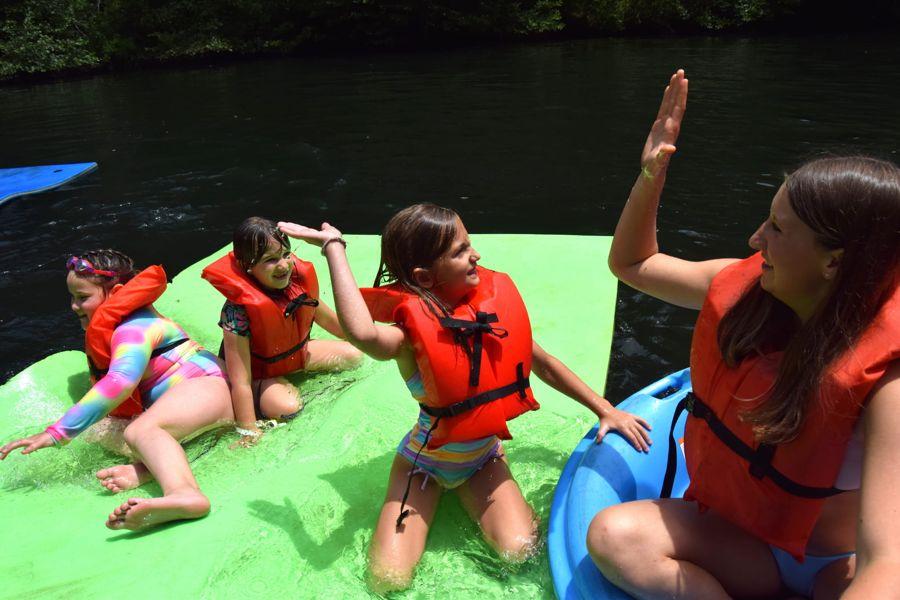
Camp builds leadership skills in girls by placing them in an environment where they make real decisions, take real risks, and practice real responsibility every day, surrounded by counselors who model what strong, caring leadership looks like. Unlike a classroom where leadership is discussed, camp is a place where leadership is practiced. A girl who leads her cabin mates through a ropes course challenge, resolves a disagreement during rest hour, or mentors a younger camper on her first day is building leadership skills she will carry into school, college, career, and life.
This blog covers why girls specifically need leadership development, what skills camp teaches, how specific camp activities build those skills, how the counselor-in-training pathway creates a formal leadership progression, and why an all-girls camp environment accelerates the process.
Why Girls Need Leadership Development Now More Than Ever
Girls need leadership development now more than ever because research shows that girls’ self-confidence drops significantly during the very years when leadership identity forms. According to “The Confidence Code for Girls” by Katty Kay and Claire Shipman, girls experience a 30% decline in confidence between the ages of 8 and 12. By middle school, 7 out of 10 girls feel they do not measure up in some way. A 2023 survey by Ruling Our eXperiences (ROX) of more than 17,500 girls in 5th through 12th grades found that the percentage of girls who report feeling confident dropped from 68% in 2017 to 55% in 2023.
The confidence decline hits leadership willingness directly. A study published by the University of Essex found that the proportion of girls who exhibit leadership willingness drops by 39% from childhood to adolescence. At age 14, girls’ self-assurance is 27% lower than boys’ at the same age, according to a YPulse research report. Rachel Simmons, co-founder of Girls Leadership Institute and author of “The Curse of the Good Girl,” explains the dynamic clearly: girls grow up hearing a “yes, but” message. “Yes, be strong, but do not offend anybody. Yes, be successful, but do not brag about it. Yes, be confident, but do it quietly.” The result is that girls start to avoid situations where they might be seen as too assertive, too loud, or too bossy, and asserting authority is a core requirement of leadership.
Camp directly counters this decline. The American Camp Association reports that 92% of campers say camp helped them build self-esteem. The ACA’s Youth Impact Study identified relationship skills as the strongest outcome camp alumni carry into their academic and professional lives. Camp does not just talk about leadership. Camp creates the conditions where leadership happens naturally, daily, and repeatedly, during the exact developmental window when girls need it most.
How Camp Builds Leadership Skills in Girls
Camp builds leadership skills in girls through a combination of daily decision-making, structured risk-taking, cabin-based teamwork, counselor mentorship, and progressive responsibility that grows with each returning summer. The camp environment produces leaders because every element of the day requires a girl to practice the skills that define leadership: communication, decision-making, problem-solving, empathy, and the willingness to step forward when the moment asks for it.
The leadership development at camp is organic rather than theoretical. A girl does not attend a leadership seminar. She lives leadership. She decides which six activities to pursue each day. She navigates a disagreement with a cabin mate and learns to say what she needs without damaging the relationship. She encourages a nervous friend to try the ropes course and then watches that friend succeed. She leads cabin clean-up and discovers that motivating a group requires both firmness and kindness. Each of these moments exercises a leadership muscle that grows stronger with each repetition.
The ACA’s National Camp Impact Study, which tracked campers from 2017 to 2022, found that the strongest camp outcomes emerge in independence, social awareness, and affinity for nature. Independence is the foundation of leadership, because a girl who trusts her own judgment is a girl who can lead others. Social awareness is the fuel of leadership, because a girl who understands how others feel can guide a group without alienating anyone. Camp develops both simultaneously through every activity, every cabin interaction, and every evening program.
What Leadership Skills Do Girls Learn at Camp?
Girls learn communication, decision-making, conflict resolution, teamwork, self-advocacy, empathy, and resilience at camp. These skills develop naturally because the camp environment requires them daily. A girl cannot avoid making decisions when the daily schedule asks her to choose her own activities. She cannot avoid conflict resolution when she shares a cabin with a dozen other girls. A girl cannot avoid resilience when the ropes course challenge scares her and she climbs anyway.
| Leadership Skill | How Camp Develops It | Real-World Application |
|---|---|---|
| Decision-making | Choosing activities, managing personal schedule, setting cabin rules | Academic choices, career decisions, self-advocacy |
| Communication | Expressing needs to cabin mates, chorus and drama performances, group discussions | Public speaking, workplace collaboration, relationship skills |
| Conflict resolution | Working through cabin disagreements with counselor guidance | Managing peer dynamics, professional relationships, team leadership |
| Resilience | Overcoming homesickness, trying new activities, handling competition | Bouncing back from failure, persisting through challenges |
| Empathy | Supporting homesick cabin mates, recognizing different personalities | Leading diverse teams, emotional intelligence in relationships |
| Risk-taking | Ropes course, horseback riding, performing in front of peers | Career risks, innovation, standing up for convictions |
| Responsibility | Cabin clean-up, managing belongings, CIT duties | Accountability in school, work, and community |
Skills mapped to Riverview Camp for Girls programming. Real-world applications drawn from ACA Youth Impact Study findings on camp alumni outcomes in academic and workplace settings.
What Are Some Good Leadership Activities for a Camp?
Good leadership activities for a camp include ropes courses, team-based challenges, cabin rule-setting, activity instruction, group performances, team competitions, and progressive responsibility programs like Counselor-in-Training. The best leadership activities share a common structure: they require a girl to step forward, make a choice, communicate clearly, and accept the outcome, all with the support of peers and counselors who encourage her along the way.
The activities that build leadership most effectively at camp fall into three categories:
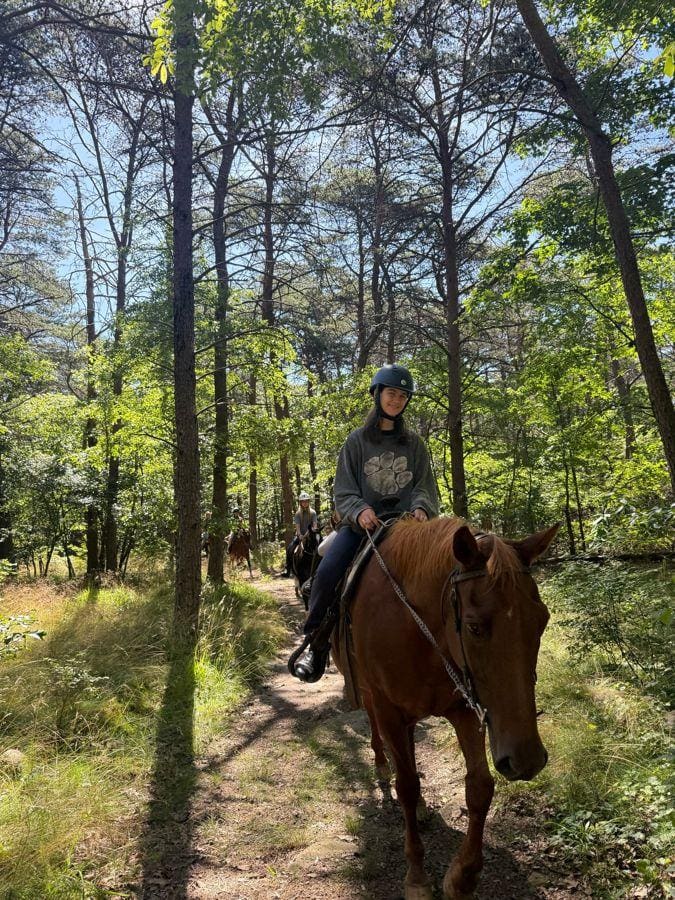
- Physical challenge activities that require courage and trust. The ropes course is one of the most powerful leadership-building activities at any camp because it asks a girl to manage fear, trust her team, and make a decision to move forward despite uncertainty. Horseback riding develops similar skills through the responsibility of guiding a large animal. Canoeing requires communication and coordination with a partner in real time.
- Creative and performance activities that build voice and presence. Chorus and drama programs teach girls to project confidence in front of an audience. Arts and crafts develop creative problem-solving and the ability to express ideas visually. Evening program skits and campfire performances give every camper a stage.
- Responsibility-based activities that develop accountability. Cabin clean-up and inspection teach daily accountability. Camp team competitions develop group leadership and strategic thinking. The Counselor-in-Training program formalizes the transition from follower to leader through structured mentorship and real camp responsibilities.
Rachel Simmons, in an interview with the ACA’s Camping Magazine, emphasized that ropes courses and similar activities should be used intentionally for girls’ leadership development. She recommends telling activity leaders specifically which skills the program is targeting, such as comfort taking risks, sticking up for oneself, and working together in a group, so the activity design supports those outcomes deliberately.
How the Counselor-in-Training Program Creates Future Leaders
The Counselor-in-Training (CIT) program creates future leaders by giving older campers structured, real-world leadership responsibilities within the camp community they already know and love. The CIT program is where the leadership skills a girl has been building across her camper years crystallize into genuine practice. A CIT is no longer just participating in camp. A CIT is helping to run it.
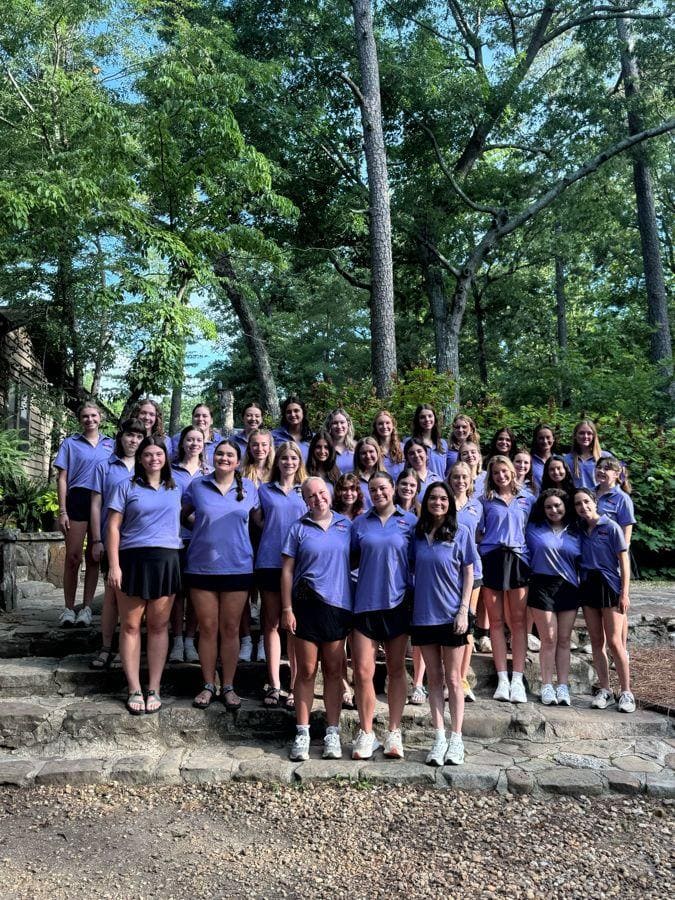
Our Counselor-in-Training program encourages campers who have grown up at camp to return and give back to the community that shaped them. CITs assist with activity instruction, support younger campers through their first days, model kindness and responsibility in the cabin, and learn the practical skills of group management. The program represents the full leadership progression that makes camp unique: a girl starts as a camper, grows into a confident participant, and eventually transitions into a mentor and leader.
Many of our counselors began as campers and returned through the CIT and Junior Counselor pathway. Years ago, when we purchased this camp, our goal was to develop a strong Counselor-in-Training program to encourage our own campers to come back as staff once they aged out of camp. Watching former campers transition into Riverview staff is a gift we give back to our campers. A girl who sees her counselor as someone who once sat in the same cabin, faced the same fears, and made the same choices learns that leadership is accessible to anyone willing to grow.
How Do Counselors Model Leadership for Campers?
Counselors model leadership for campers by demonstrating confidence, empathy, and accountability in every interaction. A counselor who resolves a cabin conflict calmly shows girls what composed leadership looks like. A counselor who admits a mistake and corrects it models the honesty that strong leaders practice. A counselor who celebrates a camper’s small victory teaches girls that lifting others up is a core part of leading.
The ACA’s National Camp Impact Study found that camp produces measurable improvements in supportive youth-adult relationships. These relationships matter because girls are more likely to take risks, try new things, and push themselves when they know a trusted relationship stands behind them. A girl who trusts her counselor will attempt the climbing wall she was afraid of. A girl who sees her counselor take the same risk learns that leaders do not ask others to do what they are unwilling to do themselves. The Être/YPulse survey found that 92% of girls believe higher confidence is directly related to mentorship. Camp counselors are mentors in the most practical, daily sense of the word.
How Does an All-Girls Environment Build Leadership?
An all-girls environment builds leadership by removing the social dynamics that often silence girls in mixed-gender settings. Research published by Booth and Nolen found that girls are more competitive and more willing to take risks when they are surrounded by same-sex peers compared to girls in co-educational settings. An all-girls camp eliminates the pressure to perform femininity, to defer to louder voices, or to shrink from assertiveness because it might be perceived as “bossy.”
At an all-girls camp, every leadership role belongs to a girl. Every team captain is a girl. Every cabin leader is a girl. Every CIT is a girl. Every voice in the room belongs to a girl. This saturation of female leadership normalizes the idea that girls lead, that girls decide, and that girls speak up. A girl who spends two weeks in an environment where female leadership is the default carries that expectation back into school, sports, and eventually her career.
An all-girls camp environment provides specific conditions that accelerate leadership development:
- Freedom from gendered expectations about assertiveness, volume, and ambition that limit girls in mixed-gender settings
- 100% female representation in every leadership role, from team captain to cabin leader to CIT, which normalizes female authority
- Reduced social comparison pressure related to appearance and romantic dynamics that distract from skill development in co-ed environments
- Increased willingness to take risks and compete, which research by Booth and Nolen confirmed is measurably higher in single-sex settings
- A community of peers who share the experience of being a girl, creating solidarity and mutual encouragement that mixed environments rarely produce
The environment on our campus atop Lookout Mountain reinforces this effect. Girls live together, play together, worship together, and grow together without the social pressures that co-educational environments introduce. The traditions at camp, from team competitions to evening programs to the closing ceremony at the waterfront, all position girls as the protagonists of their own story. That positioning is what leadership development looks like in practice.
Are Leaders Born or Made?
Leaders are made through experience, practice, and support, not born with a fixed set of traits. Research in developmental psychology consistently shows that leadership is a set of skills that develops over time through deliberate practice, not a personality type that a child either has or does not have. The ACA Youth Outcomes Study found that 76% of campers report learning something new at camp, and the skills they learn, including communication, decision-making, and resilience, are all trainable leadership competencies.
Scientific American reports that self-esteem in children comes from mastery rather than the other way around. A girl does not become a leader because she was born confident. She becomes confident because she practiced leading and succeeded. Camp provides the practice field. Every activity, every cabin interaction, and every challenge is a repetition of the leadership cycle: face a situation, make a decision, act on it, learn from the result. Girls who repeat that cycle hundreds of times over multiple summers develop the leadership capacity that others mistake for a natural gift. The gift is not natural. The gift is practice.
How Do You Improve Your Leadership Skills?
You improve your leadership skills by putting yourself in situations that require you to make decisions, communicate clearly, manage conflict, and take responsibility for outcomes. Camp is one of the most effective environments for this because every day presents dozens of those situations in a setting that is supportive enough to absorb mistakes and encouraging enough to reward growth.
Specific ways girls improve leadership skills at camp include volunteering to lead a cabin activity, trying an activity that scares them, helping a younger or newer camper adjust, participating in team competitions, speaking up during group discussions, and setting personal goals with a counselor’s support. Rachel Simmons recommends that counselors help each camper set one small, achievable leadership goal for the session, something that requires taking a risk or doing something she would not normally do. Pursuing that goal within the context of a close counselor relationship produces growth that classroom instruction cannot match.
The Rustic Pathways organization found that 33% of parents report increased independence in their children after a camp program. Independence is the behavioral evidence of leadership development. A girl who returns home making her own bed, managing her own schedule, and advocating for her own needs is demonstrating the same skills that will define her leadership capacity as an adult.
What Makes Someone a True Leader?
A true leader is someone who takes responsibility, communicates honestly, supports the people around her, and makes decisions even when the outcome is uncertain. True leadership is not about being the loudest or the most popular. True leadership is about being willing to step forward when the moment calls for it, to listen carefully before acting, and to lift others as you rise.
Camp teaches all of these qualities through lived experience. A girl who helps a homesick cabin mate feel welcome demonstrates servant leadership. A girl who speaks up during cabin rule-setting demonstrates civic leadership. A girl who pushes through the ropes course despite her fear demonstrates courageous leadership. Over 26 million Americans participate in camp experiences each year, according to the ACA, and the leadership skills camp develops are among the most lasting and transferable outcomes the experience produces.
Frequently Asked Questions
Does Summer Camp Help Girls Become Leaders?
Yes, summer camp helps girls become leaders. The ACA’s National Camp Impact Study confirmed that camp participation develops independence, social awareness, and supportive youth-adult relationships, all of which are foundational components of leadership. Camp provides daily opportunities for girls to practice decision-making, risk-taking, and conflict resolution in a structured, supportive environment where leadership skills grow through experience rather than instruction.
What Age Is Best for Leadership Development at Camp?
The elementary and early middle school years are especially impactful for leadership development because research shows that girls’ confidence declines most sharply between ages 8 and 14. Starting camp during this window gives girls consistent, annual opportunities to practice leadership skills during the exact developmental period when those skills are most at risk of atrophying. Early camp participation also allows time for the full camper-to-CIT progression.
How Does Camp Develop Confidence in Girls?
Camp develops confidence in girls through mastery of specific activities, successful navigation of social challenges, and the support of counselors who recognize and celebrate each girl’s strengths. The ACA Youth Outcomes Study found that 92% of campers report improved self-esteem. Confidence at camp is not theoretical. It is earned through real accomplishment in real situations, from completing a ropes course element to performing in front of peers to resolving a cabin disagreement independently.
Can Shy Girls Develop Leadership Skills at Camp?
Yes, shy girls can develop leadership skills at camp. Camp provides a range of leadership opportunities that match different personality types. A shy girl may not lead by giving speeches, but she may lead through careful listening, thoughtful problem-solving, or quiet mentorship of a younger camper. Camp counselors are trained to identify and elevate each girl’s individual strengths, ensuring that quieter campers receive recognition for the leadership qualities they already possess.
What Is a Counselor-in-Training Program?
A Counselor-in-Training (CIT) program is a structured leadership pathway for older campers who are ready to transition from participant to mentor. CITs assist with activity instruction, support younger campers, learn group management skills, and practice the daily responsibilities of camp leadership under the guidance of experienced counselors. The CIT program represents the culmination of the leadership development that camp builds over multiple summers.
How Does Camp Leadership Translate to School and Career?
The ACA’s Youth Impact Study found that relationship skills are the strongest outcome camp alumni carry into their academic and professional lives. Girls who practice communication, conflict resolution, decision-making, and teamwork at camp apply those same skills in school group projects, athletic team leadership, college applications, and eventually in their careers. The leadership muscles camp builds are the same muscles that professional success requires.
The Takeaway
Leadership is not a trait that girls either have or do not have. Leadership is a set of skills that grows through practice, and camp is one of the most effective places on earth for that practice to happen. Every day at camp, girls make decisions, solve problems, support each other, and step forward into moments that ask them to lead. The girl who arrives nervous about speaking up in a group often leaves camp as the girl who volunteers to lead the next activity.
We have watched this transformation happen for years at Riverview Camp for Girls. Girls arrive as campers and grow into confident, capable young women who carry the leadership skills they built at camp into every part of their lives. If you want your daughter to develop the confidence, communication skills, and courage that define strong leadership, we would love to welcome her this summer. Reach out through our enrollment page to get started.