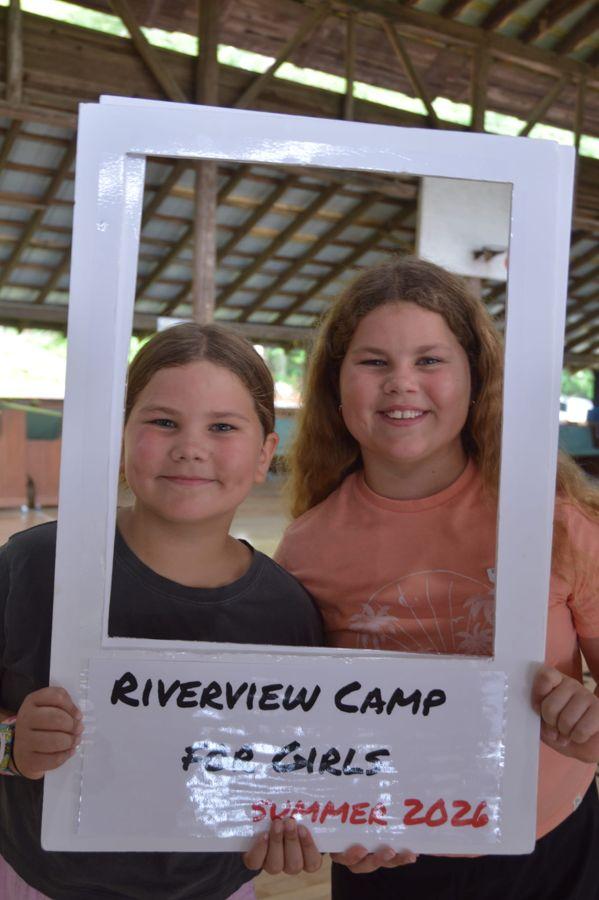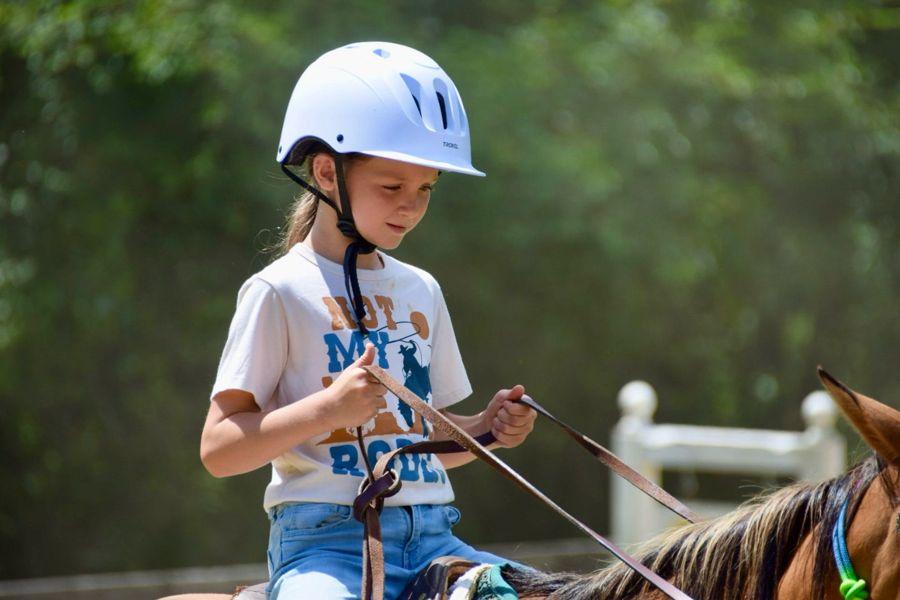
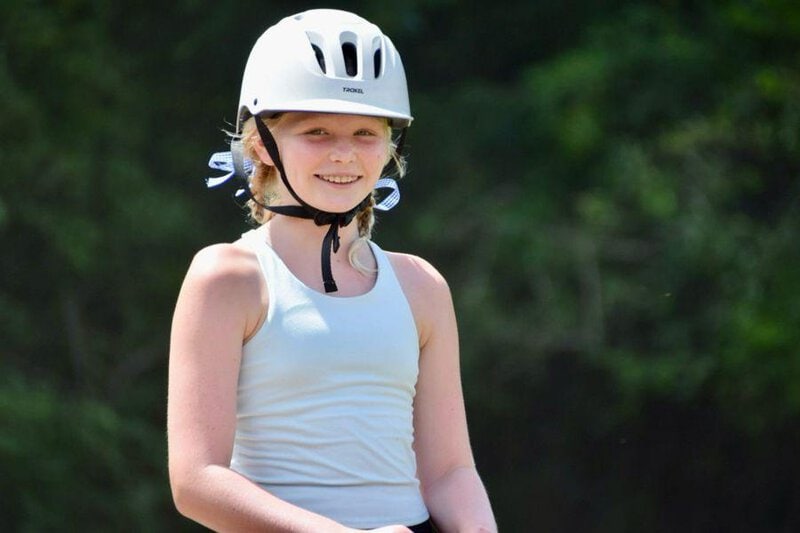
Horseback riding builds confidence in girls by fostering deep leadership skills, emotional regulation, and a powerful sense of personal agency. Managing a massive, intuitive animal teaches young riders how to balance gentle empathy with physical assertiveness, and that balance carries into every area of a girl’s life. Research from the American Camp Association shows that 92% of campers report feeling good about themselves after camp experiences, and horseback riding is consistently one of the most powerful activities behind that number. A girl who learns to communicate with a 1,000-pound horse through her posture, breathing, and body language develops a kind of self-trust that classroom lessons and team sports alone cannot replicate. The rest of this article explains the specific mechanisms behind riding’s confidence-building power, the research supporting each one, and how to know when your daughter is ready to start.
How Does Horseback Riding Build Confidence in Girls?
Horseback riding builds confidence in girls through three interconnected mechanisms: leadership and nonverbal communication, overcoming fear through incremental mastery, and responsibility paired with emotional growth. Each mechanism targets a different dimension of self-assurance, and the combination produces confidence that is deeper and more durable than what any single activity can create alone.
The leadership dimension begins the moment a girl approaches a horse. A horse does not respond to words; it responds to posture, muscle tension, breathing, and the energy a rider projects. A girl who wants a horse to walk forward must sit tall, engage her core, and give a clear, calm leg cue. A girl who wants a horse to stop must settle her weight, close her fingers on the reins, and exhale with authority. These physical commands require the same qualities that define effective leadership: clarity, composure, and committed follow-through. A 2017 study published in Frontiers in Public Health found that 46.3% of children who rode horses for just 10 minutes showed improved cognitive performance on behavioral tasks, compared to only 26.9% of children who walked for the same duration. Horseback riding activates the brain and body together, and that activation builds a girl’s sense of her own capability from the very first lesson.
The emotional dimension runs just as deep. Horses mirror human emotions with remarkable accuracy. When a girl approaches a horse feeling anxious, the horse senses that anxiety and becomes tense or resistant. When the same girl takes a breath, relaxes her shoulders, and approaches with calm authority, the horse relaxes in response. This instant, honest feedback loop teaches emotional regulation faster than most traditional approaches. A 2021 study published in SAGE Journals examined 123 children in a 20-week therapeutic horseback riding program and found that improved self-esteem from riding predicted subsequent improvement in executive functions, including planning, self-regulation, and cognitive flexibility. Confidence from riding did not stay limited to the arena; it expanded outward into school, friendships, and family life.
Why Is Horse Riding Good for Girls?
Horse riding is good for girls because it develops physical strength, emotional intelligence, social skills, and personal responsibility through a single activity that girls find genuinely engaging. The American Camp Association’s landmark 2005 study of over 5,000 campers across 80 camps found significant growth in self-esteem, independence, leadership, and friendship skills, and activities like riding consistently ranked among the most impactful experiences campers reported.
The physical benefits alone are significant. According to the American Heart Association, a 45-minute ride at a walk, trot, and canter burns up to 200 calories, and researchers at Texas A&M University found that high-intensity riding burns nearly 7 calories per minute. Riding strengthens the core, improves posture, and develops balance and coordination in ways that carry directly into other sports and physical activities. A study from Hanseo University in South Korea confirmed that just eight weeks of riding sessions produced measurable dynamic muscle tone gains in the thighs, hips, and torso of participants who had no prior riding experience.
The emotional and social benefits reach further. ACA research revealed that 70% of parents reported their child gained self-confidence at camp, and those gains persisted for months after the session ended. Riding contributes to that number because it gives girls something concrete they can point to, a real accomplishment earned through their own effort, not handed to them. Activities like canoeing and ropes build similar qualities, and when girls combine riding with other camp experiences, the confidence effects compound across every part of their day.
How Does a Horse Teach Girls About Leadership and Nonverbal Communication?
A horse teaches girls about leadership and nonverbal communication because the entire relationship between rider and horse operates through body language, not words. A girl must learn to stand taller, roll her shoulders back, and project calm certainty to guide her horse, and that physical transformation changes the way she carries herself in every other setting.
Horses provide instant feedback on a girl’s communication. A rider who gives a tentative, unclear cue gets a horse that hesitates or ignores the instruction. A rider who gives a clear, confident cue gets a horse that responds immediately. There is no delay, no ambiguity, and no room for miscommunication to go unnoticed. This feedback loop trains girls to communicate with intention and precision, skills that translate directly into classroom presentations, group projects, and social interactions.
The leadership that riding develops is assertive without being aggressive. A rider cannot force a 1,000-pound animal to cooperate through physical strength alone; she must earn cooperation through trust, consistency, and confident communication. Research from the University of Nebraska found that children involved in horse riding projects improved their problem-solving, communication, and analytical skills, and much of that improvement traced back to the nonverbal communication demands of working with a horse. A girl who learns to direct a horse with her posture and energy rather than her voice is practicing a form of leadership that will serve her in every stage of life.
Clear boundaries are another leadership skill that riding develops naturally. A horse that crowds a girl’s space on the ground must be corrected immediately with a firm, calm hand. A horse that tests the boundaries during a ride must receive a consistent response from its rider. Learning to set and enforce boundaries with a large animal teaches girls that their boundaries matter and that they have the authority to maintain them. The Counselor-In-Training program gives older campers a chance to practice these leadership skills by guiding younger girls, and many former campers credit riding and camp leadership together as the experiences that shaped their confidence most.
How Does Horseback Riding Help Girls Overcome Fear?
Horseback riding helps girls overcome fear by exposing them to controlled, incremental challenges that build courage through direct experience rather than abstract encouragement. A girl does not become brave by being told she is brave; she becomes brave by facing something that scared her and discovering she can handle it. Controlling a 1,000-pound animal naturally pushes girls past their comfort zones, and the structured progression of riding gives them a ladder to climb one rung at a time.
Every riding program follows a predictable sequence that moves a beginner toward competency through incremental mastery:
- Learning to approach, groom, and lead a horse on the ground, building familiarity and trust before ever sitting in the saddle.
- Mounting and sitting at a standstill, developing comfort with the height and size of the animal while building core balance.
- Walking under instructor guidance, coordinating basic rein and leg cues while the horse moves at its slowest gait.
- Trotting, which introduces a faster, bouncier rhythm that requires the rider to post (rise and sit) and maintain balance through a more dynamic motion.
- Cantering, a smooth but faster three-beat gait that demands greater confidence, core control, and trust between rider and horse.
- Jumping, the most advanced stage, where rider and horse work together to clear obstacles with precise timing and clear communication.
Each step on this ladder creates a small, celebrated victory. A girl cannot canter until she is comfortable trotting, and she cannot trot until she is secure at the walk. This incremental structure means that every new skill rests on a foundation of previous success. We teach English riding classes in walk, trot, canter, and jumping, and we see this progression transform hesitant first-time riders into confident equestrians every summer.
Handling mistakes is the other side of overcoming fear. A miscommunication between rider and horse, a stumble on the trail, or a missed cue in the ring are all normal parts of learning to ride. Recovering from these moments teaches girls that mistakes are information, not failure. A girl who loses her balance at the trot, regains her seat, and continues the lesson has just practiced resilience in real time. That practice carries directly into the classroom, onto the sports field, and into her friendships. The ropes course builds similar resilience through physical challenge, and girls who combine riding with ropes develop a sense of their own capability that runs deep.
What Does Horseback Riding Teach Girls About Responsibility and Emotional Growth?
Horseback riding teaches girls about responsibility and emotional growth because the care of a horse demands daily accountability that cannot be postponed, delegated, or faked. Caring for a horse’s daily needs, from grooming and feeding to tacking and cooling down after a ride, builds discipline, patience, and maturity in ways that few other youth activities require.
The responsibility dimension gives girls ownership over something that truly matters. A horse needs to be groomed before every ride, fitted with properly adjusted equipment, cooled down after exercise, and returned to a clean stall with fresh water and feed. Each of these tasks requires attention to detail, consistency, and follow-through. A girl who completes these tasks reliably develops a sense of self-worth that comes from knowing she is capable of real responsibility, not the manufactured kind that comes from sticker charts and chore lists, but genuine accountability for the wellbeing of another living creature. Outdoor living skills build similar self-reliance, and girls who practice both riding and outdoor skills develop a practical confidence that extends far beyond camp.
The emotional growth that riding produces is equally powerful. Riding requires complete mental presence, which helps quiet the anxious, distracted mental chatter that many girls carry with them. A girl concentrating on maintaining her posting rhythm at the trot does not have mental bandwidth to worry about the social dynamics at school. Research suggests that even 10 to 15 minutes of social interaction with horses can increase endorphins and decrease cortisol, the body’s primary stress hormone. A 2014 study of 131 teenagers found that participants in an 11-week horse activity program had significantly lower afternoon cortisol levels compared to teens who had no contact with horses. Riding functions as a natural form of mindfulness, training the mind to stay present by giving it something demanding and immediate to focus on.
The equestrian space also strips away many of the social pressures that undermine girls’ confidence in other settings. In the riding ring, a girl is evaluated on her skill, her effort, and her connection with her horse, not on how she looks, what she wears, or where she falls in a social hierarchy. ACA research has found that girls who attend all-girl camps show increased confidence, independence, and ability to work well with others compared to co-ed settings. When girls ride together without the dynamics that co-ed environments can introduce, they focus entirely on their own growth and support each other’s progress without self-consciousness.
What Are the Physical Benefits of Horseback Riding for Girls?
The physical benefits of horseback riding for girls include improved core strength, better balance and coordination, increased flexibility, stronger posture, and measurable cardiovascular fitness. Riding is a full-body workout that engages muscles from the ankles to the shoulders, and the constant postural adjustments required to stay balanced on a moving horse develop deep stabilizing muscles that traditional exercises often miss.
The core engagement during riding is continuous. Even at a walk, a rider must keep her torso upright, her pelvis neutral, and her legs stable against the horse’s sides. At a trot or canter, the demands increase substantially. The Hanseo University study confirmed that eight weeks of regular riding produced measurable gains in dynamic muscle tone in the thighs, hips, and torso, even among participants with no prior riding experience. The British Horse Society commissioned a separate study that found even half an hour of riding qualifies as moderate exercise, and trotting exerts more energy than playing badminton.
The physical-to-mental confidence bridge is one of the most important and most overlooked mechanisms in riding’s confidence-building power. A girl who feels strong in her core, balanced in her posture, and coordinated in her movements carries that physical confidence into every other area of her life. Swimming builds similar cardiovascular fitness and body awareness, and girls who participate in both riding and water activities develop well-rounded physical competence that reinforces their self-assurance across multiple settings. Physical competence and mental self-assurance feed each other in a continuous cycle: a girl who feels physically capable is more willing to take on mental and emotional challenges, and a girl who takes on those challenges becomes even more physically confident.
| Confidence Dimension | Horseback Riding | Team Sports | Gymnastics | Swimming |
|---|---|---|---|---|
| Emotional Regulation | High: horse mirrors rider’s emotions, providing instant feedback | Moderate: team dynamics involve emotional management | Moderate: performance pressure builds composure | Low to moderate: rhythmic motion calms but limited feedback loop |
| Leadership Development | High: rider must direct a living partner with authority and consistency | High: team captains and positions develop leadership | Low: primarily individual sport with coach direction | Low: primarily individual performance |
| Responsibility | High: daily animal care, feeding, grooming, tacking required | Moderate: equipment care, attendance commitment | Low: minimal outside-class responsibility | Low: minimal outside-class responsibility |
| Core Strength | High: continuous engagement for balance and posture | Moderate: varies by sport | Very high: core-intensive discipline | High: full-body workout in water |
| Nonverbal Communication | Very high: primary communication method with horse | Moderate: on-field signals and body language | Low: limited partner interaction | Low: limited partner interaction |
| Anxiety Reduction | High: rhythmic motion lowers cortisol, animal bond calms | Moderate: exercise reduces anxiety but competition may increase it | Low to moderate: performance anxiety can be high | Moderate to high: water immersion calms nervous system |
The comparison above highlights why horseback riding ranks so high across multiple confidence dimensions simultaneously. Team sports develop leadership and emotional management, and gymnastics builds exceptional core strength, but horseback riding is the only common youth activity that scores high across all six dimensions at once. That breadth is what makes riding such a powerful confidence builder for girls.
Why Do Girls Like Horseback Riding So Much?
Girls like horseback riding so much because riding offers a combination of partnership, physical freedom, and nurturing connection that few other activities provide. Nearly 80% of present-day riders worldwide are women and girls, according to research from the Vetmeduni in Vienna, making equestrianism one of the most female-participated sports in the world. Industry data confirms that women represent over 90% of the non-racing equestrian participation base in Western countries.
The draw runs deeper than simple enjoyment. Riding combines the appeal of caring for a living creature with the thrill of physical adventure. A girl who loves animals gets the satisfaction of grooming, feeding, and bonding with a horse she knows by name. A girl who craves adventure gets the rush of cantering along a wooded trail. A girl who thrives on mastery gets the structured progression from walk to jump. Riding meets girls wherever their interests lie and gives them room to grow in multiple directions simultaneously.
The camp teams add another layer to the experience, as girls from different age groups cheer each other through riding milestones and celebrate accomplishments together. Atop Lookout Mountain, surrounded by wooded trails and the sounds of Little River, girls experience riding in a setting that feels entirely removed from the pressures of daily life. That separation matters. When the social hierarchies and screen-based comparisons that dominate most girls’ daily experience disappear, what remains is a girl and a horse, working together, and the confidence that grows from that partnership is honest and lasting.
Can Horseback Riding Help Shy or Anxious Girls Come Out of Their Shell?
Horseback riding can help shy or anxious girls come out of their shell because the focus of the activity is on the horse, not on social performance. A shy girl does not have to make conversation to succeed in the riding ring; she has to communicate with her horse through her body, her breathing, and her posture. This takes the pressure off verbal social interaction and allows quiet girls to build confidence through competence rather than through forced extroversion.
The riding environment creates natural side-by-side bonding between girls who might otherwise struggle to connect. Two girls grooming horses next to each other in the barn talk naturally about the horses, the day’s ride, or the trail ahead. The conversation grows from shared experience rather than from social obligation, and that distinction matters enormously for anxious children. Research from the ACA found that 96% of campers make new friends during their camp session, including shy children, anxious children, and children who arrived unsure whether they belonged.
A PMC-published study of 94 at-risk adolescents found that youth receiving equine-assisted psychotherapy showed 18 to 23% improvement in global psychological, social, and emotional wellness scores, and the improvement was comparable to traditional talk therapy. Girls who struggle with anxiety often find archery and riding to be the most calming activities at camp because both require intense present-moment focus and both reward stillness over impulsive movement.
In the residential camp setting, riding’s confidence-building effects compound daily. A girl who has a successful ride in the morning carries that confidence into afternoon activities, evening programs, and cabin conversations. The riding ring becomes a place where she proves to herself that she is capable, and that proof radiates outward into every other part of her experience. We have seen this pattern repeat every summer, and it is one of the reasons we prioritize helping shy campers in everything we do.
What Skills Do Girls Learn from Horseback Riding That Transfer to Everyday Life?
Girls learn a broad set of transferable skills from horseback riding that apply directly to school, social situations, and future professional life. The skills are not theoretical; they are practiced in real time, under real conditions, with immediate feedback from the horse.
The most important transferable skills include:
- Decision-making under pressure, because a rider must respond instantly to a horse’s movements, choose the correct cue, and adjust without hesitation.
- Nonverbal communication, because horses respond to body language, tone, and energy rather than words, training girls to communicate with clarity and physical intention.
- Emotional regulation, because a nervous or frustrated rider produces a nervous or resistant horse, teaching girls to manage their internal state to achieve a desired outcome.
- Persistence through difficulty, because riding involves setbacks, falls, and challenging days that require a girl to return to the saddle and try again.
- Focus and concentration, because riding demands complete present-moment awareness, with no room for distraction or divided attention.
The University of Florida/IFAS Department of Family, Youth and Community Sciences studied 122 adolescents aged 12 to 18 in a six-day residential horsemanship program and found a measurable positive change in self-esteem across the entire group. The participants rode approximately six hours each day, and the self-esteem improvements were consistent regardless of prior riding experience. Girls who combine riding with other challenge-based camp activities build a layered confidence that reinforces itself across every part of their day.
At What Age Should Girls Start Horseback Riding?
Girls should start horseback riding when they demonstrate the physical coordination to maintain balance and the emotional maturity to follow safety instructions, which for most children falls between ages 5 and 7. A meta-analysis published by the American Camp Association found that self-esteem enhancement from camping experiences is greater for younger campers, with benefits documented starting as early as age 6. Starting riding young allows the confidence-building mechanisms to take root during a critical developmental window.
Younger riders often adapt to horses more quickly than older beginners because they carry fewer preconceived fears and greater physical flexibility. A 6-year-old approaching a horse for the first time is typically more curious than afraid, and that curiosity creates a foundation for a positive relationship with riding that can last a lifetime. Over 5,000 PATH International certified instructors work across the United States in therapeutic and recreational riding programs, and many accept riders as young as 4 or 5 for guided introductory experiences.
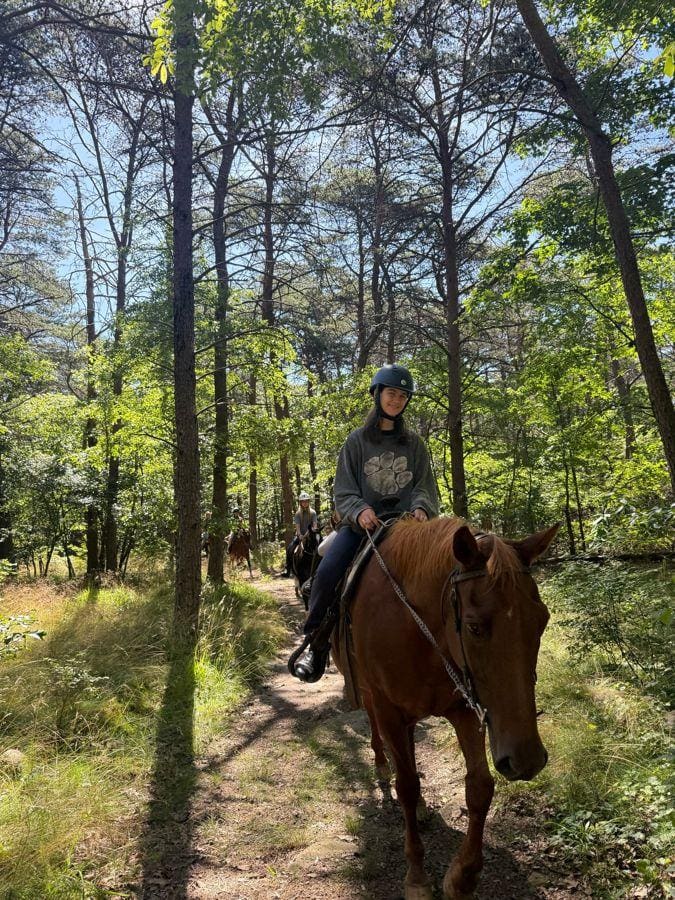
For girls who start riding at camp, the structured environment provides ideal conditions for early learning. Trained instructors match each girl with a horse suited to her size, experience, and temperament. Beginner riders start on calm, experienced horses that tolerate uncertainty and respond gently to novice cues. Trail rides are closely supervised with instructors riding at the front and back of each group, and the progression from ground work to mounted riding follows each girl’s individual pace. Trail rides through the forests and rock formations along Little River give even the youngest riders an adventure that builds confidence through real experience.
Frequently Asked Questions
How Long Does It Take To Learn To Ride a Horse?
Learning to ride a horse takes most beginners 10 to 20 hours of instruction to develop basic competence at the walk and trot, with more advanced skills like cantering and jumping requiring months or years of consistent practice. Every girl progresses at her own pace, and the timeline depends on the frequency of riding sessions, the quality of instruction, and the individual rider’s coordination and confidence level.
Is Horseback Riding Safe for Young Girls?
Horseback riding is safe for young girls when proper safety protocols are in place, including certified instructors, well-trained horses suited to beginners, approved safety helmets, and closely supervised lessons. Accredited programs follow strict safety standards, and the risk of injury is comparable to other youth sports when guidelines are followed consistently.
What Should a Girl Wear for Her First Horseback Riding Lesson?
A girl should wear long pants, closed-toe shoes or boots with a small heel, and a properly fitted ASTM/SEI-certified riding helmet for her first horseback riding lesson. Avoid loose clothing, sandals, or open-toed shoes. Many riding programs provide helmets for beginners, but confirm availability before the first lesson.
How Often Should a Child Ride To See Confidence Improvements?
A child should ride at least once or twice per week to see measurable confidence improvements, based on research showing that consistent exposure over multiple weeks produces the strongest self-esteem gains. The University of Florida study documented positive self-esteem changes in adolescents who rode approximately six hours per day for six consecutive days, suggesting that immersive programs like residential camps can accelerate results significantly.
Can Horseback Riding Help Girls with ADHD?
Horseback riding can help girls with ADHD by improving attention, reducing anxiety, and strengthening executive functions. A study published in the Journal of Men’s Health found that a four-week horseback riding program significantly improved anxiety, depression, and attention in children with ADHD. A separate 2021 study in SAGE Journals confirmed that 20 weeks of therapeutic riding improved both self-esteem and executive functions in 123 children diagnosed with ADHD.
Do Girls Need Their Own Horse To Benefit from Riding?
Girls do not need their own horse to benefit from riding. Lesson programs, riding camps, and therapeutic riding centers provide well-trained horses for participants to ride and care for during sessions. The confidence-building benefits come from the riding experience and the horse-rider interaction, not from horse ownership.
Putting It All Together
Horseback riding builds confidence in girls through leadership, emotional regulation, incremental mastery, and daily responsibility working together in a single powerful experience. The research is consistent across decades and across study populations: riding improves self-esteem, reduces anxiety, develops leadership skills, and teaches emotional control. The effects are strongest when riding happens in a supportive, structured environment where girls feel safe to take risks, make mistakes, and try again.
We see this transformation every summer. A girl who arrives hesitant to approach a horse leaves camp standing taller, speaking more directly, and carrying a quiet certainty that she earned through her own effort. That certainty does not fade when she goes home; it becomes part of who she is. If you are looking for an experience that gives your daughter lasting confidence, consider what horseback riding in a supportive camp setting can do for her. Riverview Camp for Girls has been helping girls discover what they are capable of for decades, and we would love to help your daughter discover the same. Call us at 800-882-0722 or visit our enrollment page to learn more.