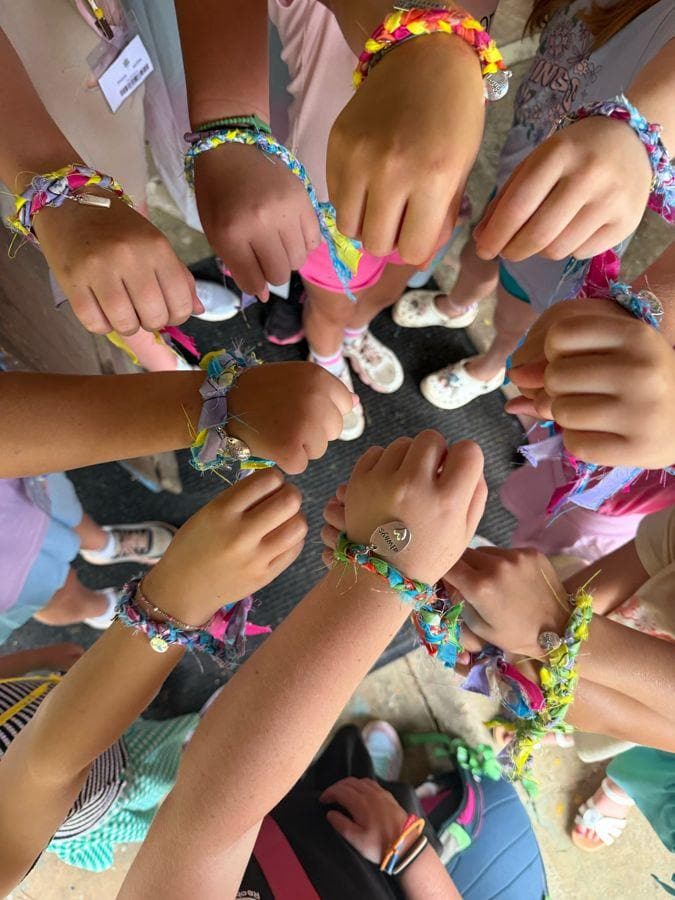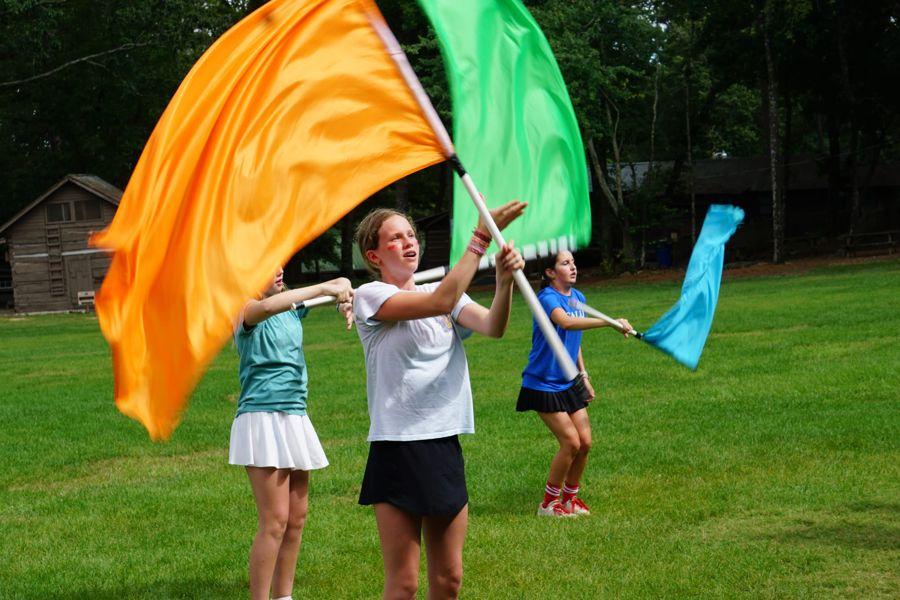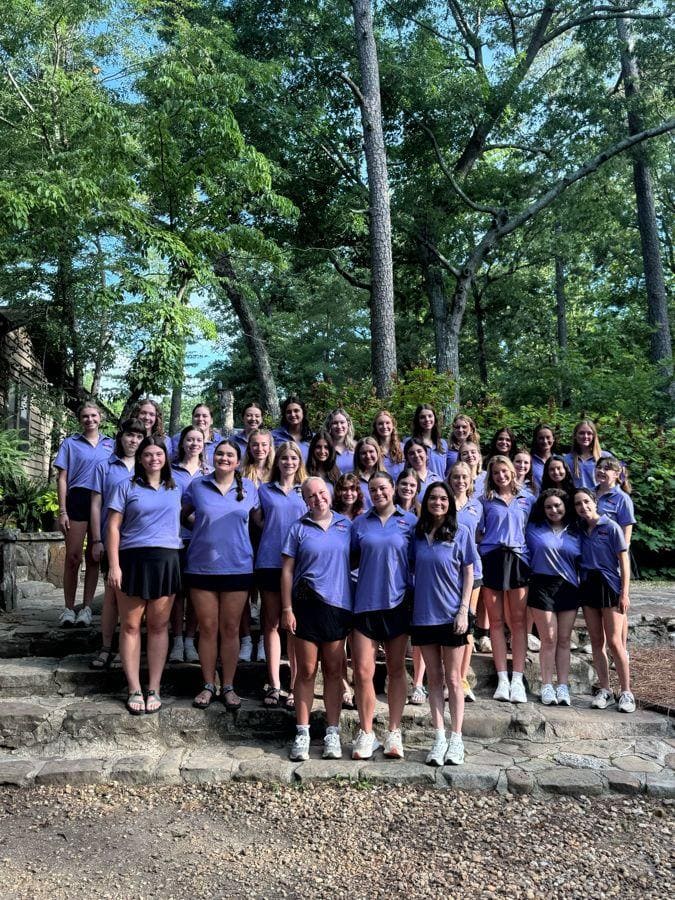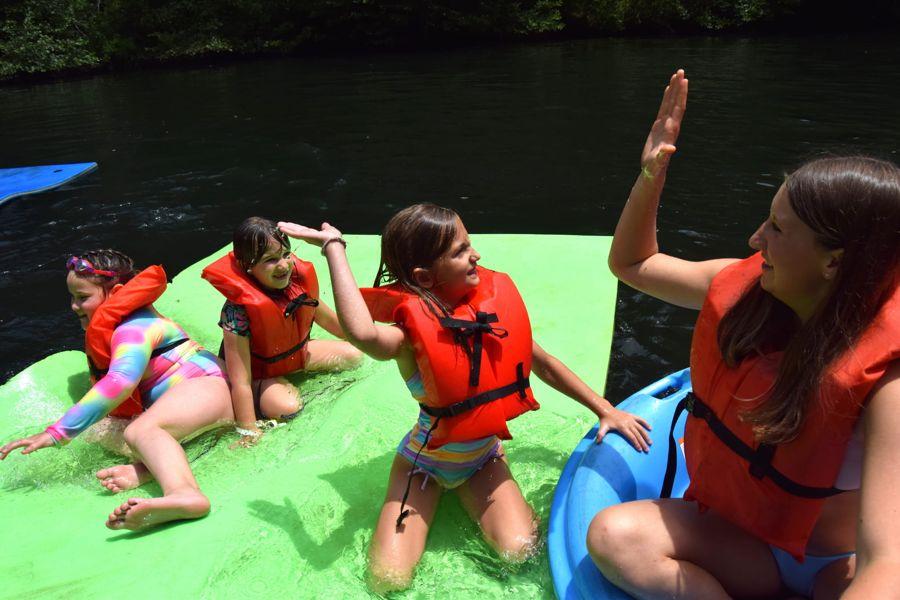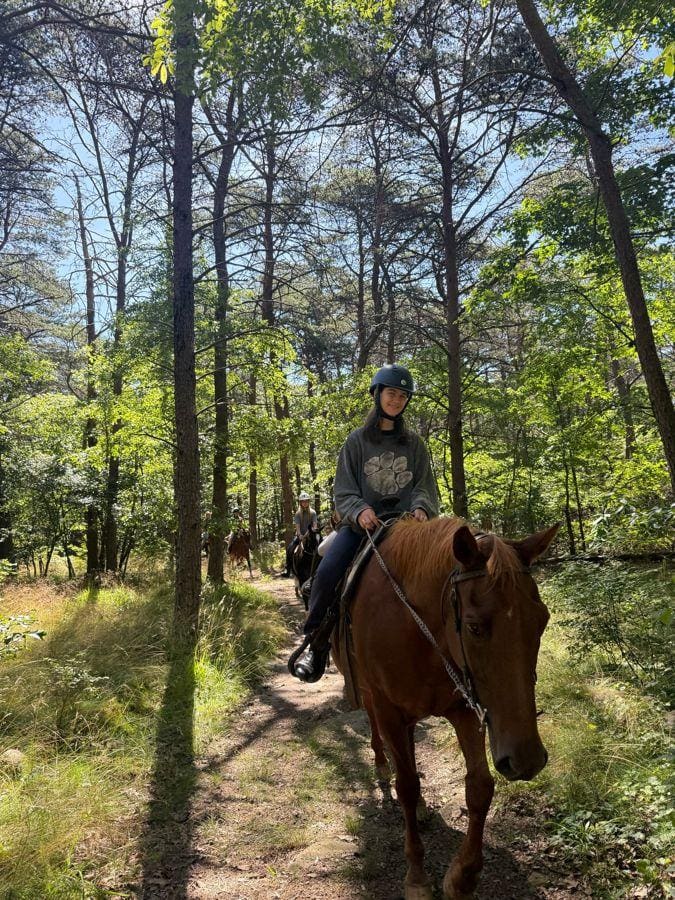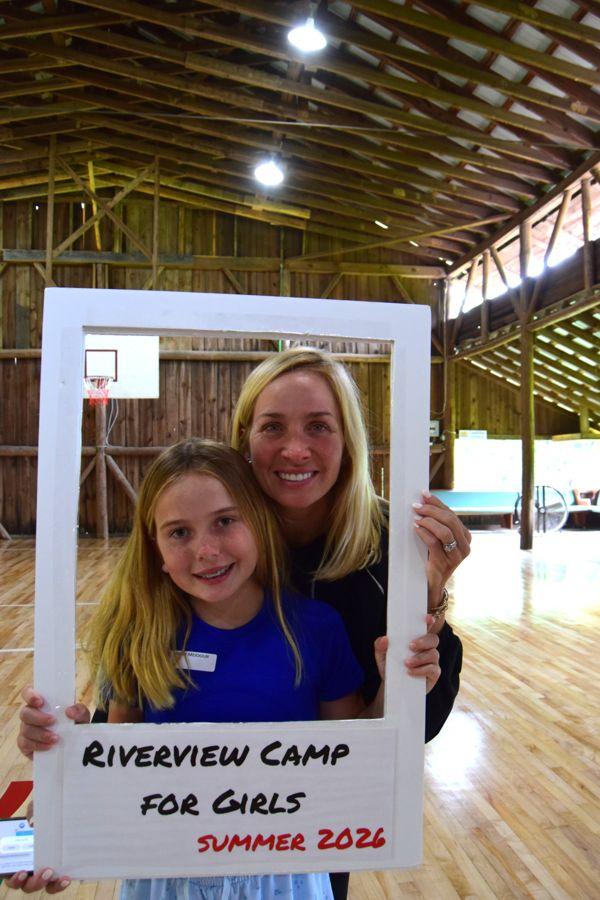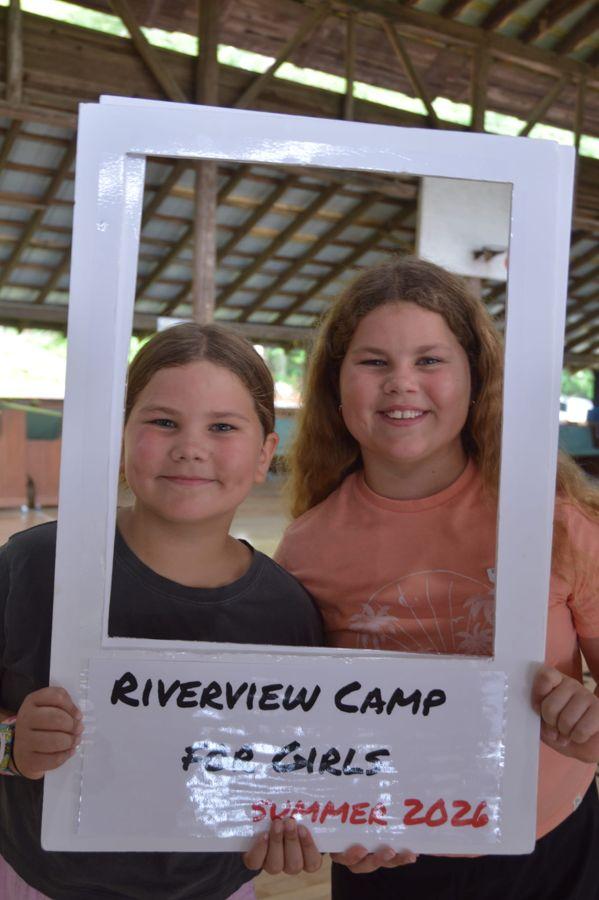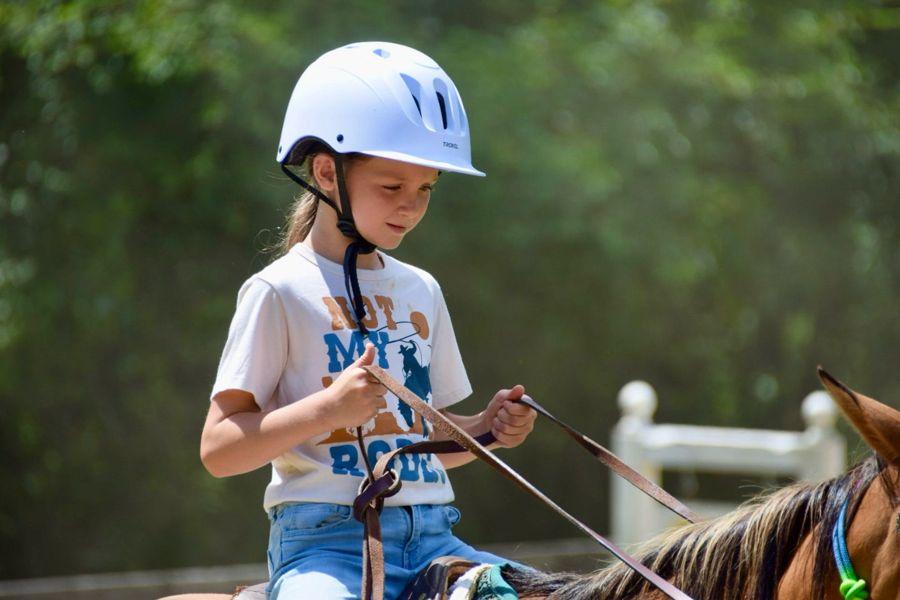

Summer camp helps girls navigate middle school transitions by providing a low-stakes training ground where they build the social confidence, independence, resilience, and self-identity they need before the pressures of middle school begin. Middle school brings a wave of academic pressure, shifting social dynamics, and developmental changes that hit girls particularly hard. Camp acts as a bridge between the security of elementary school and the demands of a larger, more complex social environment. Girls practice making new friends without the safety net of existing cliques, managing daily schedules independently, resolving cabin-mate conflicts on their own, exploring new activities without the fear of being labeled, and stepping away from the intense social media and screen pressure that follows them through the school year. The key benefits include social buffering through diverse peer groups, autonomy built through daily self-management, identity exploration free from school-based reputations, resilience developed through managed risk, and positive mentorship from counselors who model healthy conflict resolution and emotional maturity.
Why Is the Middle School Transition Harder for Girls?
The middle school transition is harder for girls because it coincides with a documented decline in self-confidence, a rise in social anxiety, and the onset of puberty-related body image concerns that boys experience less severely during the same period. Research published in Frontiers in Psychology describes the transition from primary to secondary education as one of the most stressful events in a young person’s life, with documented negative impacts on both psychological well-being and academic achievement. The stress intensifies for girls specifically because of how confidence and anxiety shift differently by gender during these years.
Katty Kay and Claire Shipman, authors of The Confidence Code for Girls, surveyed more than 1,300 girls ages 8 to 18 in partnership with the polling firm Ypulse and found that girls’ confidence levels drop by 30% between the ages of 8 and 14. At age 14, boys’ confidence is 27% higher than girls’. A longitudinal study published in Anxiety, Stress, and Coping found that social anxiety decreased significantly for boys during the middle school years but did not decrease for girls. Research from the Journal of Youth and Adolescence studying 1,770 students found that perceived peer integration into a new class context was specifically relevant to girls’ test anxiety but not boys’. Girls entering middle school carry a heavier emotional load than their male peers because social acceptance, peer evaluation, and self-image affect their academic performance and emotional stability more directly.
The practical challenges of middle school compound the emotional ones. Girls move from a single classroom with one teacher to a rotating schedule with multiple classrooms, multiple teachers, and multiple social groups. They navigate hallways filled with older students who seem more confident and more experienced. They face new academic demands, elective choices, and the pressure of figuring out where they fit in a much larger social landscape. Add social media, which most girls encounter heavily for the first time in middle school, and the combination of pressures becomes overwhelming without the right preparation.
How Does Summer Camp Build the Skills Girls Need for Middle School?
Summer camp builds the skills girls need for middle school by placing them in a structured environment where they practice independence, social navigation, emotional regulation, and physical confidence every single day. The ACA Youth Outcomes Study found that 96% of campers say camp helped them make new friends, 92% say the people at camp helped them feel good about themselves, and 70% of parents report their children gained self-confidence at camp. Those three outcomes, friendship-building, self-worth, and confidence, are the exact skills that determine whether a girl thrives or struggles during the middle school transition.
Camp mirrors the structure of middle school in several important ways. Campers follow a daily schedule that requires moving between different activities in different locations throughout the day, just like switching classes. They live with peers they did not choose, just like being assigned to a new classroom or lunch table. They receive guidance from counselors who are not their parents, just like relating to new teachers. They handle disagreements, homesickness, and unfamiliar situations without calling home for a solution, just like the independence middle school demands. The difference is that camp introduces these challenges in a supportive, caring environment where the stakes are low and the support is high.
The ACA’s 5-Year National Impact Study found that the most compelling camp outcomes emerge in relation to independence and social awareness, and that 58% of youth reported camp helped them appreciate being present in the moment, specifically through time away from technology. Independence and social awareness are not abstract concepts. They are the practical skills that determine whether a girl can find her next classroom without panicking, sit down at a lunch table where she does not know anyone, and recover from a bad grade without spiraling into self-doubt.
How Does Camp Help Girls Build Social Confidence?
Camp helps girls build social confidence by removing them from the established social hierarchy of their school and placing them in a community where every girl starts on equal footing. At school, a girl’s social position is often fixed by third or fourth grade. She is the “quiet one” or the “popular one” or the “smart one,” and that label follows her through elementary school and into middle school. At camp, none of those labels exist. Every girl arrives without the social baggage of school, and the playing field is genuinely level.
A girl who sits alone at lunch every day at school may discover at camp that she is funny, helpful, brave on the climbing wall, or the best horseback rider in her group. Those discoveries change the way she sees herself, and that shift carries back into the school year. Camp friendships form quickly because the shared experience of cabin living, daily activities, and campfire creates instant bonds that bypass the slow, cautious social calculus of school hallways. Research from the Legends confidence study confirms that confidence goes over a cliff for many children around ages 10 to 12, particularly girls, precisely when they transition into middle school. Camp intervenes at exactly the right developmental moment by giving girls a social reset before that cliff arrives.
The cabin community is where the deepest social learning happens. Living with 14 to 18 girls in a shared space for one or two weeks requires cooperation, communication, compromise, and conflict resolution every single day. A girl learns to share a bathroom with girls she just met. She learns to negotiate who gets which bunk. She learns to resolve a disagreement with a cabin mate without a parent stepping in to fix it. Those micro-negotiations build the exact social muscles that middle school demands, where a girl must navigate group projects, lunch table politics, and locker room dynamics independently. We see shy girls make friends at camp who carry those friendships and that social confidence into their school year.
How Does Camp Build Independence and Self-Reliance?
Camp builds independence and self-reliance by requiring girls to manage their own daily routine, make their own choices, and solve their own problems without parental intervention. At home, parents wake their daughters up, drive them to school, pack their lunches, and manage their schedules. At camp, each girl is responsible for waking up on time, keeping her cabin clean, arriving at her chosen activities on schedule, managing her own belongings, and handling the small daily challenges that arise when living in a community.
The daily schedule at camp reinforces this independence through structure. Each camper selects six activities on her first afternoon and participates in them daily for the session. That selection process alone builds decision-making skills: she evaluates her options, considers her interests, and commits to a schedule she will follow independently. Moving from swimming to arts and crafts to the ropes course to horseback riding throughout the day mirrors the class-switching rhythm of middle school, but in a setting where getting lost means finding an adventure rather than earning a tardy slip.
Research published by Rustic Pathways reports that 60% of camp alumni describe improved independence, teamwork, and leadership skills as lasting outcomes of their camp experience. Independence at camp is not abstract. It is a series of concrete daily responsibilities that a girl manages on her own:
- Waking up on time and getting dressed for the day without a parent’s alarm or reminder.
- Making her bed and keeping her cabin area clean during daily cabin inspection.
- Arriving at each of her six daily activities on time and with the correct gear.
- Managing her personal belongings, including laundry, water bottle, sunscreen, and riding boots.
- Handling small social situations independently, from choosing a seat at meals to resolving a disagreement with a cabin mate.
- Following evening routines (shower, campfire, lights out) within the camp schedule without being monitored step by step.
Every one of those responsibilities strengthens the self-management skills that middle school requires from day one. A girl who has already practiced managing her own schedule, belongings, and social interactions at camp arrives at middle school with the muscle memory of independence already built.
How Does an All-Girls Camp Prepare Girls for Middle School?
An all-girls camp prepares girls for middle school by removing the co-ed social pressure that intensifies during early adolescence and creating a space where girls define themselves through their abilities, friendships, and character rather than through their appearance or social performance in front of boys. The confidence research is clear: girls’ self-perception shifts dramatically during the tween and early teen years, and much of that shift is driven by social comparison, body image anxiety, and the pressure to perform a certain identity for a mixed-gender audience.
At an all-girls camp, those pressures disappear. A girl can climb the climbing tower without worrying about how she looks doing it. She can try a new activity and fail at it without feeling judged by boys in the group. She can be loud, competitive, silly, quiet, or bold without filtering her behavior through the lens of how the other gender perceives her. Research from a study published in Education Sciences found that girls who participate in outdoor recreation programs show significant increases in physical activity self-confidence. An all-girls environment amplifies that effect because every girl in the group is experiencing the same freedom to try, fail, and grow without gendered social pressure.
We promote adventure, inspiration, character, and confidence-building in an environment where girls learn and play without the distractions that co-ed settings create during the sensitive developmental window of ages 6 to 16. Our counselors are themselves former campers who grew up in this all-girls community and returned to mentor the next generation. That continuity creates a mentorship chain where older girls model the confidence, kindness, and leadership that younger girls absorb. The counselor relationship gives girls access to near-peer role models who are not their parents, not their teachers, and not their school friends, but trusted young women who demonstrate what confidence looks like in action.
How Do Camp Skills Map to Middle School Challenges?
Camp skills map directly to middle school challenges because the daily demands of camp life mirror the daily demands of middle school in a lower-pressure environment. The following comparison, informed by research from the ACA National Impact Study, the Frontiers in Psychology secondary school transition review, and the Kay/Shipman confidence survey, shows how specific camp experiences build specific middle school readiness skills.
| Middle School Challenge | Camp Experience That Builds Readiness |
|---|---|
| Switching between classrooms and teachers throughout the day | Following a six-activity daily schedule across different locations on campus |
| Making friends in a larger, unfamiliar social environment | Arriving at camp without existing friend groups and building cabin-mate bonds from scratch |
| Managing personal belongings and schedule independently | Keeping track of gear, arriving at activities on time, and maintaining cabin responsibilities |
| Handling peer conflict without constant adult mediation | Resolving cabin disagreements with counselor guidance rather than parental intervention |
| Handling academic and social pressure with resilience | Trying challenging activities like ropes courses and horseback riding where failure is safe and supported |
| Developing identity beyond elementary school labels | Exploring 20+ activities and discovering new strengths in a community with no pre-existing social hierarchy |
| Managing relationships with multiple authority figures | Interacting with different activity instructors and cabin counselors throughout each day |
How Does Camp Help Girls Handle Pressure Without Screens?
Camp helps girls handle pressure without screens by removing the devices that amplify social comparison, interrupt sleep, and create a constant cycle of external validation that middle school girls are especially vulnerable to. Social media enters most girls’ lives in earnest during the middle school years. The algorithms reward appearance, popularity, and performance, which directly feeds the confidence decline researchers have documented. Camp removes that input entirely for the duration of the session and replaces it with face-to-face interaction, physical activity, and present-moment engagement.
The ACA’s 5-Year National Impact Study found that 58% of youth reported that camp helped them appreciate being present in the moment, specifically through taking time away from technology and developing in-person relationships. For girls approaching middle school, that screen-free period serves as a reset. They discover that social connection happens through eye contact, shared laughter, and shared challenges, not through likes, comments, and follower counts. A girl who spends two weeks at camp without a phone learns that her value comes from what she does, how she treats people, and who she is, not from how she presents herself online.
The screen-free environment also improves sleep, which directly affects emotional regulation. Middle school girls who use devices before bed often experience disrupted sleep patterns that worsen anxiety and reduce their capacity to manage stress during the school day. At camp, the daily rhythm of wake-up, activities, meals, campfire, and lights-out at a consistent time resets the sleep cycle and demonstrates that a full day of engagement and connection is possible without a screen in hand. That experience gives girls a reference point they can draw on during the school year when the pull of devices feels overwhelming.
What Camp Activities Build Middle School Readiness?
Camp activities that build middle school readiness include team sports, individual challenge activities, creative arts, outdoor adventure, and structured group living, each targeting a different skill that middle school demands. The strength of a well-designed camp program is that it develops multiple readiness skills simultaneously through activities that feel like fun rather than preparation.
- Horseback riding develops patience, nonverbal communication, and the ability to manage a living creature that responds to the rider’s emotional state. A girl who learns to calm a nervous horse also learns to regulate her own anxiety. A study published in Frontiers in Public Health by Tokyo University of Agriculture found that riding improves children’s ability to perform Go/No-go tasks and self-control, both critical for middle school classroom behavior.
- Ropes courses and climbing activities build physical courage and the ability to push past fear in a safe, supported environment. The first time a girl stands at the top of a climbing tower and decides to step off, she experiences the concrete proof that she can do hard things. That proof carries into the first day of middle school.
- Arts and crafts, chorus, and drama develop creative expression and the confidence to share personal work with a group. Performing at a talent show or presenting a craft project builds the same presentation skills that middle school classes require.
- Team activities like swimming, volleyball, and relay races teach collaboration, healthy competition, and the ability to support teammates through wins and losses. Those dynamics mirror the group project and team sport structures that define the middle school social experience.
- Cabin living and special events build the interpersonal skills that no single activity can teach: sharing space, managing conflict, celebrating others’ achievements, and learning to coexist with people whose personalities differ from your own.
We offer over 20 activities that span physical challenge, creative expression, outdoor adventure, and team-based competition. Each girl selects her own schedule, which means she builds the decision-making and self-advocacy skills that middle school requires from the first day of camp preparation through the last campfire of her session.
Frequently Asked Questions
What Is the Best Age to Send a Girl to Camp Before Middle School?
The best age to send a girl to camp before middle school is between 8 and 10 years old, which gives her one to three summers of camp experience before the middle school transition begins. Girls who attend camp during the elementary years build a foundation of social confidence, independence, and resilience that they carry into sixth grade. A girl who arrives at middle school already knowing how to make friends in an unfamiliar environment, manage her own schedule, and handle social challenges independently has a significant advantage over a girl who has never practiced those skills outside of school.
Are Summer Camps Good for Kids Who Are Anxious About Middle School?
Yes, summer camps are particularly beneficial for kids who are anxious about middle school because camp provides a controlled, supportive version of the same challenges middle school presents. A girl who is nervous about switching classes, making new friends, or being away from familiar surroundings can practice all three at camp in an environment where counselors are trained to support her through the adjustment. Research from the ACA confirms that homesickness and initial anxiety typically resolve within the first two to three days as the child settles into her cabin community.
How Does Camp Help Girls Who Struggle Socially at School?
Camp helps girls who struggle socially at school by giving them a fresh start in a community with no pre-existing social hierarchy. At school, a girl’s social reputation is established early and difficult to change. At camp, every girl arrives as an equal. The shared experience of cabin life, campfire, and daily activities creates natural conversation and bonding opportunities that bypass the slow, cautious social dynamics of school. Girls who struggle socially at school often thrive at camp because the environment rewards kindness, effort, and participation rather than popularity.
What Do Girls Do at Summer Camp?
Girls at summer camp choose from a wide range of activities including horseback riding, swimming, canoeing, archery, arts and crafts, cheerleading, chorus and drama, gymnastics, tennis, volleyball, basketball, outdoor living skills, the ropes course, and many more. Each camper selects six activities and participates in them daily for her session. The variety allows every girl to find at least one activity where she feels confident and excited, which builds the self-efficacy that carries into middle school.
Does Camp Help with the Social Media Pressure Girls Face in Middle School?
Yes, camp directly counteracts social media pressure by providing a screen-free environment where girls experience connection, fun, and self-worth without any devices. After two weeks of making friends, trying new things, and feeling good about herself through real-world experiences rather than online validation, a girl returns home with a concrete understanding that her value does not depend on her social media presence. That understanding becomes a protective factor as social media pressure intensifies during the middle school years.
Can Camp Help a Girl Who Is Already in Middle School?
Yes, camp benefits girls at every stage of the middle school years, not just before they start. A girl who is struggling with confidence, social dynamics, or academic pressure in seventh or eighth grade can use camp as a reset. The counselors in training program offers older campers a leadership pathway that builds responsibility and mentorship skills. Girls who attend camp during middle school often return to school with renewed confidence, stronger friendships with camp peers, and a clearer sense of who they are outside the pressures of the school environment.
What It All Comes Down To
Middle school is hard. It is harder for girls than for boys by nearly every measure that researchers have studied, from confidence levels to social anxiety to body image concerns. Summer camp does not eliminate those challenges, but it gives girls the tools to handle them. A girl who has lived in a cabin with girls she just met, managed her own schedule across six daily activities, tried something scary on the ropes course and succeeded, and spent two weeks laughing around a campfire without a phone in her hand walks into middle school with a foundation that no classroom can build.
We see this transformation every summer at Riverview Camp for Girls on Lookout Mountain in Mentone, Alabama. Girls arrive as elementary schoolers and leave with the confidence, social skills, and independence of young women who are ready for whatever comes next. If your daughter is approaching middle school and you want to give her the best possible preparation for the transition ahead, camp is where that preparation happens. You can enroll today or call us at 256-634-4043 to discuss session options for her age group.