Summer camp is good for introverted kids because the camp environment provides something most other settings do not: a structured space where quiet children can build friendships through shared activities, recharge during built-in downtime, and grow at their own pace with the support of trained counselors who understand that every child engages differently. Introverted children do not need to become extroverts to thrive at camp. They need the right camp, the right preparation, and the right support.
This blog covers why introverted kids often do better at camp than parents expect, what makes camp uniquely suited for quieter children, how to choose the right camp and prepare your daughter, and what specific activities help introverts build confidence and lasting friendships.
Is Summer Camp Good for Introverted Kids?
Yes, summer camp is good for introverted kids. Camp provides a structured social environment where quiet children can form connections through shared activities rather than forced conversation. Introverted children prefer depth over breadth in their relationships, and camp creates exactly the conditions that support deeper bonding: small cabin groups, repeated daily interactions with the same peers, and shared experiences that give children something to talk about naturally.
According to Psychology Today, 30% to 50% of the U.S. population identifies as introverted. That means in any cabin of 14 girls, at least 4 to 7 of them process social energy the same way your daughter does. She is not the odd one out. She is part of a large, normal group of children who prefer to observe before participating, listen before speaking, and connect one-on-one before joining the group. The American Camp Association reports that 92% of campers say camp helped them build self-esteem, and that statistic includes the introverted campers who arrived quietly and left feeling stronger than they ever imagined.
What Is the Difference Between Introversion and Shyness?
The difference between introversion and shyness is that introversion is an energy preference, while shyness is a fear response. An introverted child recharges through solitude and feels drained after extended social interaction. A shy child wants to participate socially but feels anxious about doing so. The two can overlap, but they are fundamentally different. Many introverted children are not shy at all. They simply need time to observe a new environment before they engage.
Research on personality temperament shows that introversion is largely innate, with heritability rates between 40% and 60% according to twin studies cited in Frontiers in Psychology. Introversion is not something a child will outgrow, and it does not need to be fixed. What introverted children need is an environment that respects their pace, provides recharge opportunities, and offers ways to connect through activity rather than small talk. Camp, when chosen well, delivers all three.
Why Introverted Kids Often Thrive at Summer Camp
Introverted kids often thrive at summer camp because camp removes the social pressures of school and replaces them with a fresh environment where every child starts on equal ground. At school, social hierarchies form early and harden over time. An introverted child may carry the label of “the quiet one” for years. At camp, nobody knows that label. Every camper arrives as a new person, and friendships form through shared experiences rather than social reputation.
Camp also provides something introverted children rarely experience at school: long, uninterrupted stretches of time with the same small group of peers. A cabin group eats together, plays together, cleans up together, and winds down together every single day. This repeated proximity allows introverted children to build comfort gradually. By day three, the girl who barely spoke on day one is often laughing with her cabin mates because the slow, steady exposure gave her the time she needed to feel safe.
The daily schedule at camp also works in an introvert’s favor. Rest hour after lunch provides a built-in recharge period every day. Campers receive mail, read, draw, write letters, or simply sit quietly in their bunks. Evening devotionals and campfire songs provide reflective, low-pressure group moments. The structured transitions between activities mean an introverted child always knows what comes next, which reduces the uncertainty that drains introverts fastest.
How Does Camp Build Confidence in Quiet Kids?
Camp builds confidence in quiet kids by helping them develop mastery in specific activities they choose for themselves. Research published in Scientific American confirms that self-esteem in children comes from mastery rather than the other way around. When a quiet girl discovers she is the best archer in her group, or that she can navigate the ropes course that scared her on day one, she learns something permanent about her own capability. That mastery becomes the foundation for broader confidence.
A study published in Frontiers in Psychology found that introverts with high social engagement demonstrate higher self-esteem than introverts with low social engagement. Camp creates the conditions for high social engagement by embedding interaction into every activity. An introverted camper does not have to choose between socializing and doing something she loves. The socializing happens naturally inside the activity. The ACA Youth Outcomes Study confirms that 92% of campers report improved self-esteem, and 76% report learning something new. For an introverted child, learning a new skill in a supportive setting is one of the most reliable confidence-builders available.
| Introvert Strength | Camp Activity Match | Why It Works |
|---|---|---|
| Deep focus and concentration | Archery, knitting, arts and crafts | Individual-skill activities reward sustained attention without social pressure |
| Observation and reflection | Nature hikes, outdoor living skills | Quiet observation of nature aligns with how introverts process the world |
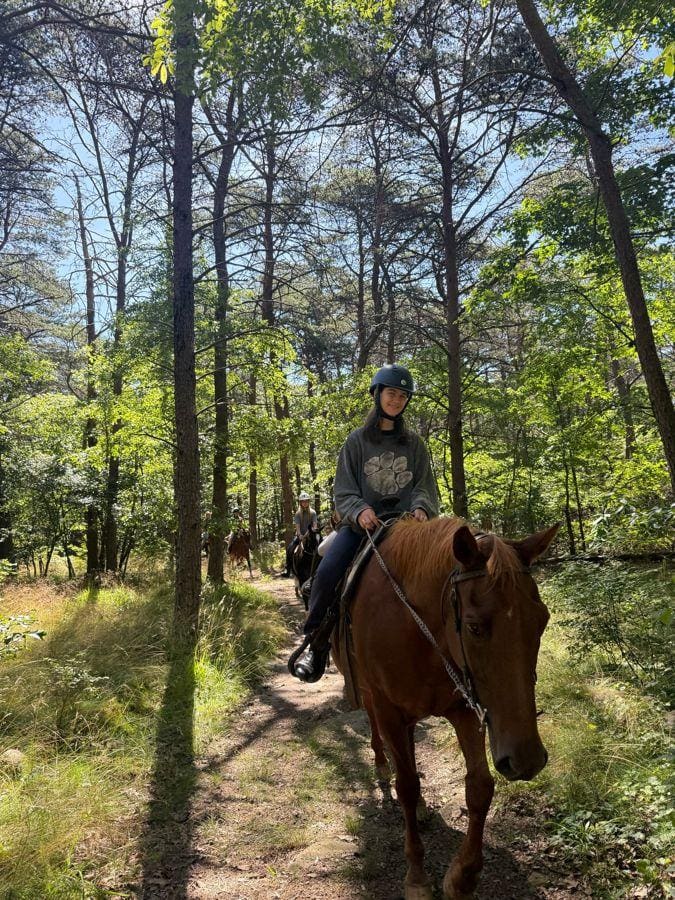
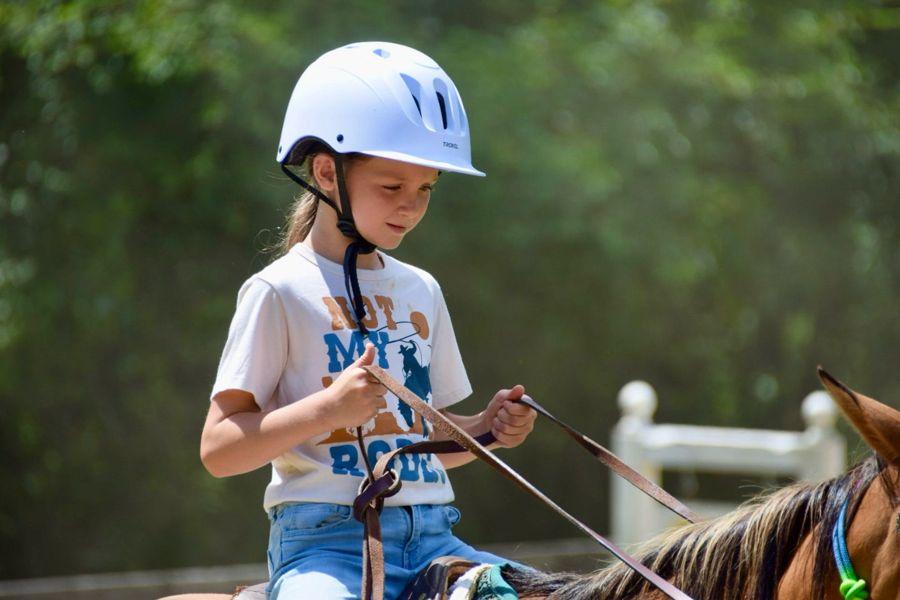
| One-on-one connection | Horseback riding, canoeing | Paired activities encourage deeper bonds without large-group dynamics |
| Creative expression | Chorus and drama, art projects | Creative outlets let introverts express themselves through art rather than small talk |
| Thoughtful problem-solving | Ropes course, team challenges | Strategic challenges value the thinker, not just the loudest voice |
Activity examples based on Riverview Camp for Girls programming. Introvert strengths referenced from Psychology Today and Scientific American research on introverted children.
How Do Introverted Kids Make Friends at Camp?
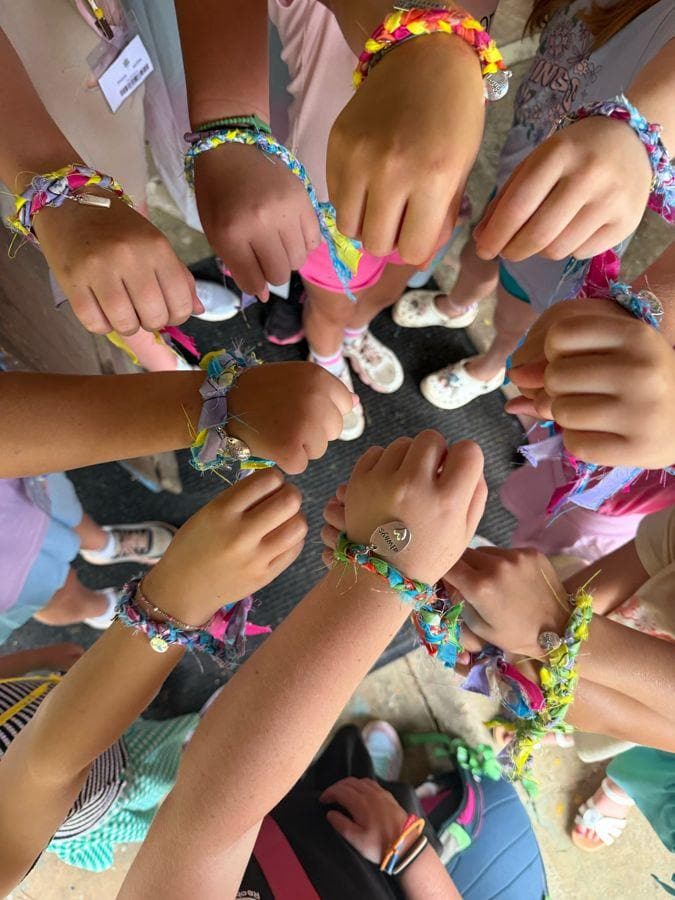
Introverted kids make friends at camp through shared activities rather than forced social interaction. An introverted child may struggle to start a conversation with a stranger in a cafeteria, but she has no trouble bonding with the girl sitting next to her at the arts and crafts table because they are both focused on the same project. The activity provides the bridge. The friendship grows from there.
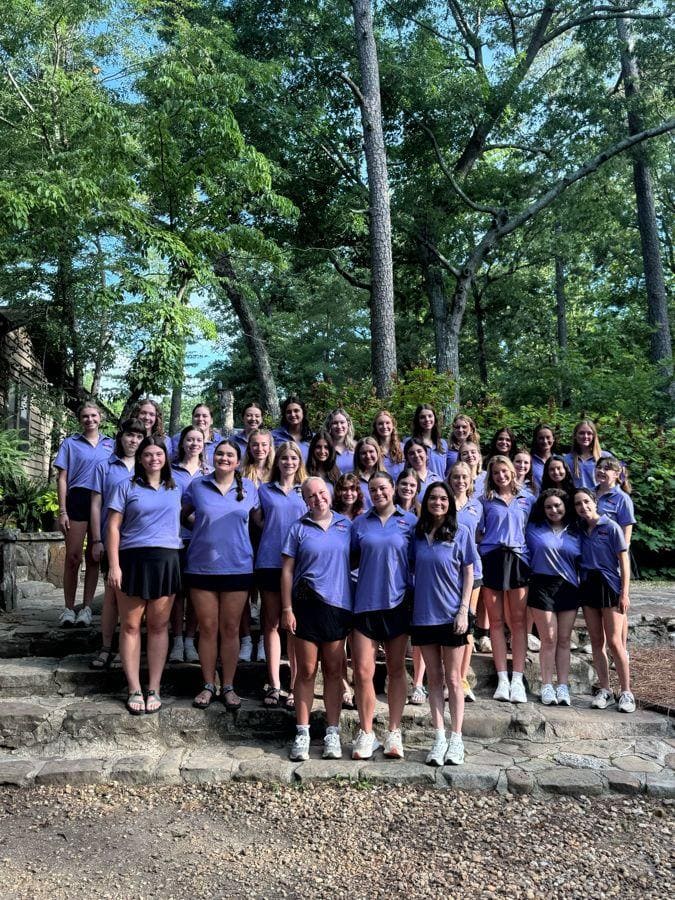
Cabin life accelerates this process. Living with the same group of girls for days or weeks on a wooded mountaintop along Little River creates what researchers call “proximity-based bonding,” the tendency for repeated closeness to produce trust and affection over time. Introverted children benefit from this because they build friendships slowly and deeply. Camp removes the distractions of social media and screen-based communication. The ACA’s National Camp Impact Study found that 58% of youth reported camp helped them appreciate being present and developing in-person relationships. For introverts, who tend to prefer face-to-face depth over digital breadth, this screen-free environment is ideal.
What Type of Camp Is Best for an Introverted Child?
The best type of camp for an introverted child is one that offers activity choice, a structured daily schedule with built-in downtime, trained counselors who recognize different social styles, and cabin groups small enough for individual attention. Not every camp is the right fit for every child, and finding the right match is the most important step a parent can take.
When evaluating camps for an introverted child, look for these features in order of importance:
- Activity choice. A camp where each camper selects her own daily activities gives introverted children the power to gravitate toward what genuinely interests them. Interest-driven participation is the fastest path to comfort and confidence for a quiet child. At our camp, each girl chooses six activities on her first afternoon, which means she spends every day doing things she actually wants to do.
- Structured schedule with built-in quiet time. Camps with rest hour, devotional time, and evening wind-down routines give introverted children the recharge breaks they need to stay engaged throughout the day. A camp that runs non-stop with no downtime will exhaust an introverted camper quickly.
- Trained counselors who understand introversion. Counselors who recognize that a quiet child is not unhappy, just processing, can make the difference between a transformative camp experience and an overwhelming one. The best counselors check in without hovering and invite without pressuring.
- Manageable cabin sizes. Smaller cabin groups allow introverted children to build deeper relationships with fewer people, which matches how introverts naturally socialize. Our junior cabins house 14 to 18 girls with multiple counselors, giving each camper the individual attention she needs.
- A mix of individual and group activities. Camps that offer both team sports and individual pursuits like knitting, horseback riding, and art give introverted children the flexibility to alternate between social and solo engagement.
What Activities at Camp Are Best for Introverted Children?
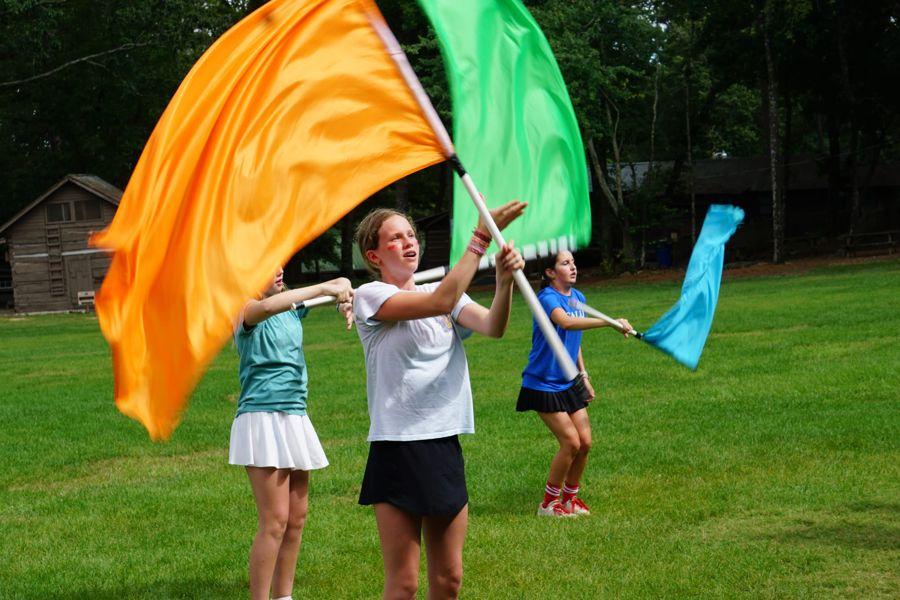
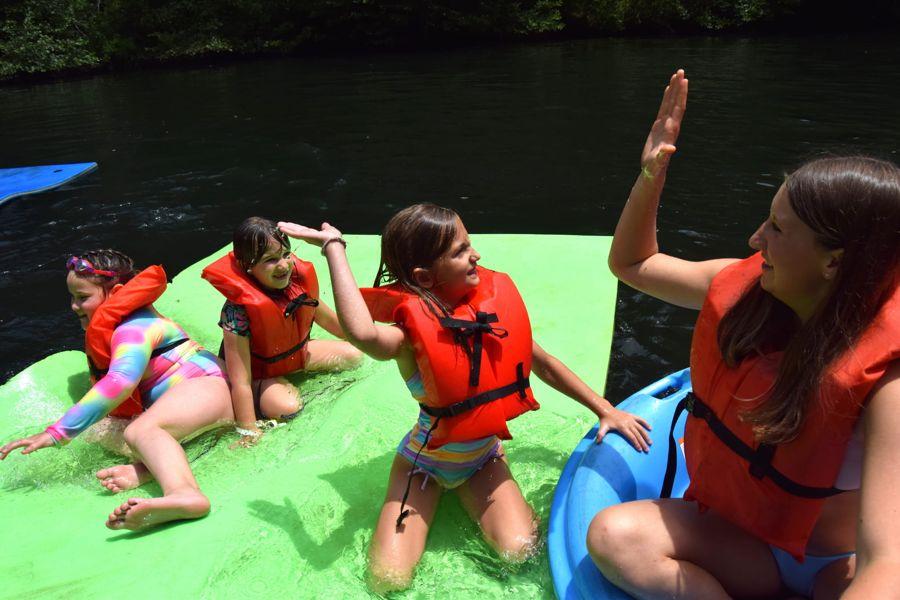
The best activities at camp for introverted children are ones that value focus, creativity, and individual skill development while naturally encouraging connection with peers. Activities like archery, horseback riding, swimming, arts and crafts, knitting, and refinement courses allow introverted campers to engage deeply in something they enjoy while interacting with others who share the same interest.
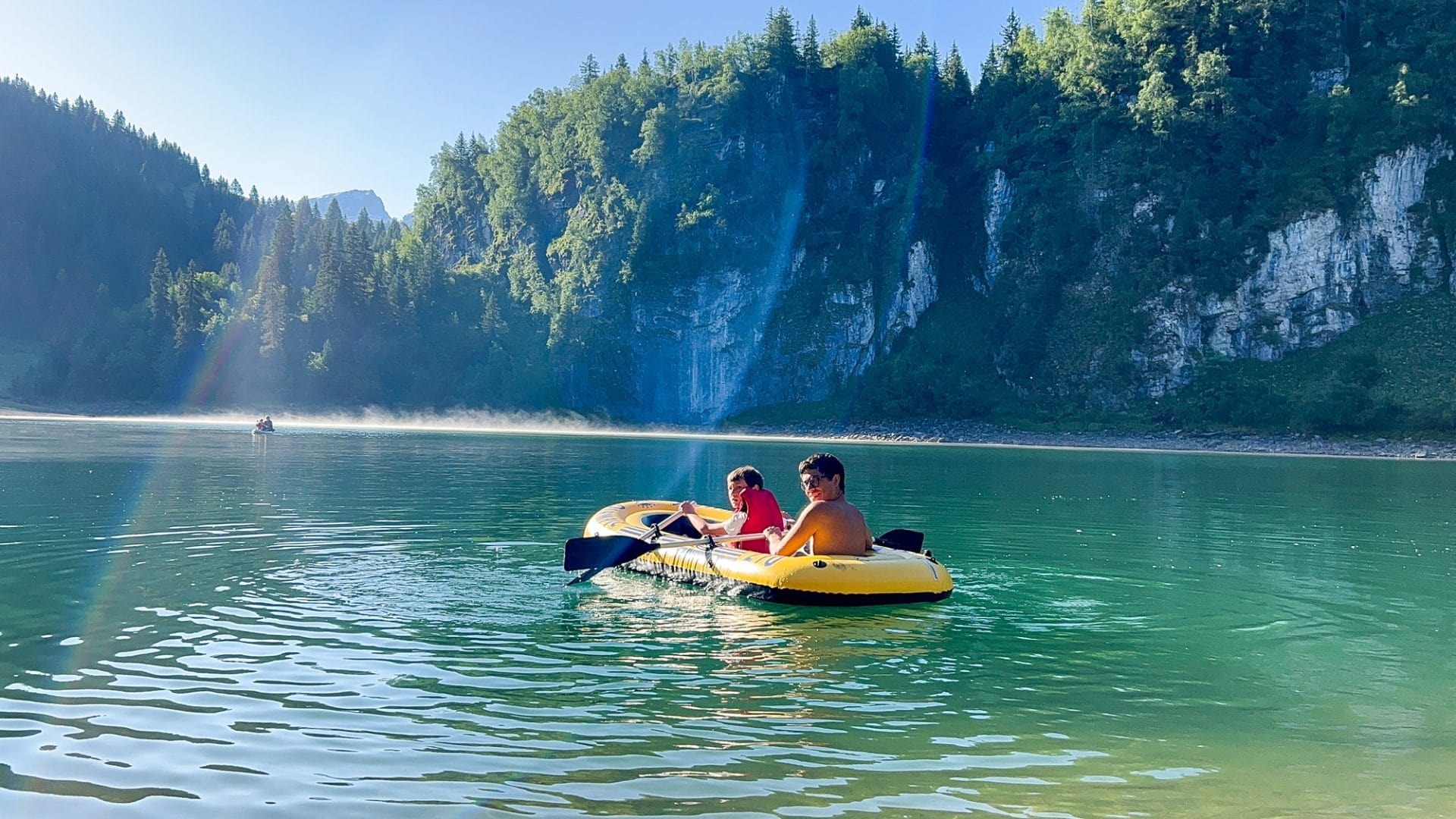
Group activities like canoeing and the ropes course also work well for introverts because they require cooperation and communication within a structured framework. An introverted child does not have to figure out how to join a conversation. The activity itself creates the conversation. She is talking about paddle strokes, knot tying, or belaying techniques, not searching for something to say.
How Can Parents Prepare an Introverted Child for Camp?
Parents can prepare an introverted child for camp by providing detailed information about what to expect, practicing time away from home, requesting a familiar cabin mate, and communicating their child’s needs directly to the camp directors. Introverted children process new experiences best when they have facts and details in advance. Walking into a completely unknown situation is far more draining for an introvert than walking into a situation she has already visualized.
Start by reviewing the camp website together. Look at photos of the campus, read the daily schedule, and talk through what each part of the day will look like. If a friend or acquaintance is attending the same session, let your daughter know. Having one familiar face in the cabin can reduce the social energy cost of the first day dramatically.
Practice separations before camp. Sleepovers at a friend’s house, weekends at a relative’s home, or even a night away with a church group all build the confidence an introverted child needs to know she can handle being away. Let her know that homesickness is normal and temporary. The ACA reports that 83% of campers experience some homesickness on at least one day, and only 7% find it severe enough to interfere with their experience.
Most importantly, communicate with the camp. Let the directors and counselors know your child is introverted. This is not overprotecting. This is advocating. A counselor who knows to check in gently, offer quiet cabin time when needed, and invite rather than pressure can make the entire experience positive from the first hour.
How to Get Over Camp Anxiety?
The best way to get over camp anxiety is to accept it as a normal response to a new experience, prepare with specific information about what camp involves, and trust that the anxious feelings will diminish as familiarity grows. Most camp anxiety peaks on the first day and fades within 24 to 48 hours as the daily routine becomes predictable and cabin friendships begin to form.
Counselors are trained to support anxious campers. A counselor who sits with a nervous girl during the first meal, walks her to her first activity, and checks in at rest hour can turn an anxious morning into a confident afternoon. The structured camp schedule itself reduces anxiety because every transition is predictable. An introverted child who knows exactly what happens after breakfast, after lunch, and after dinner can relax into the rhythm instead of bracing for the unknown.
Do Introverted Kids Get Homesick More Than Extroverts?
Introverted kids do not necessarily get homesick more than extroverts, but they may experience homesickness differently. Extroverted children tend to express homesickness outwardly through crying or verbal complaints. Introverted children may process the feeling internally, becoming quieter or withdrawing slightly. A study by Dr. Christopher Thurber at Phillips Exeter Academy found that 83% of all overnight campers report homesickness on at least one day, regardless of personality type.
The cabin environment actually helps introverted campers move through homesickness faster than parents expect. The built-in routine, the presence of caring counselors, and the gentle pull of fun activities create enough positive distraction to carry an introverted child past the hardest moments. Many parents tell us their introverted daughters came home and immediately asked to return the following summer because the experience exceeded every expectation.
What Are the Benefits of Summer Camp for Kids?
The benefits of summer camp for kids include increased self-esteem, greater independence, stronger social skills, improved physical fitness, time away from screens, and the development of lifelong friendships. These benefits apply to all children, but they are especially powerful for introverted kids because camp provides the supportive structure introverts need to access experiences they might avoid on their own.
- Self-esteem growth: 92% of campers report improved self-esteem after attending camp, according to the ACA Youth Outcomes Study. For introverted children, the self-esteem boost comes from mastering new skills, overcoming homesickness, and discovering they can thrive in an unfamiliar environment.
- Independence: The ACA National Camp Impact Study identified independence as one of the three strongest camp outcomes. Introverted children who manage their own daily routines at camp return home with a deeper belief in their own capabilities.
- Social awareness: Living closely with peers from different backgrounds builds empathy and perspective-taking. Introverted children, who naturally observe and reflect, often develop especially strong social awareness at camp.
- Screen-free connection: Camp replaces the average 5 hours and 33 minutes of daily screen time that tweens experience at home (Common Sense Media, 2021) with face-to-face interaction. For introverts who feel pressure from social media comparison, this break is restorative.
- Physical activity and nature: Over 26 million Americans participate in camp experiences annually, and the outdoor setting provides physical health benefits alongside cognitive and emotional ones. The ACA study found that camp strengthens children’s affinity for nature, which supports attention restoration and reduces anxiety.
Why Do Some Kids Not Like Camp?
Some kids do not like camp because they attended a camp that was not the right fit for their personality, they were not prepared for the experience, or they felt overwhelmed by an environment that did not match their social style. The good news is that each of these problems is solvable.
A high-energy, competition-heavy camp that runs large group activities all day with no downtime will exhaust an introverted child. That is not a reflection of the child. That is a mismatch between the child and the camp. A smaller camp with activity choice, structured quiet time, and trained counselors who respect different temperaments produces a very different outcome. Parents who research the camp environment, communicate their child’s needs, and choose a program that values individual pace over one-size-fits-all energy are far more likely to see their daughter come home happy.
Preparation also matters. Children who arrive at camp with no information about what to expect, no practice being away from home, and no trusted adult who knows their personality are at higher risk for a negative experience. The solution is not to skip camp entirely. The solution is to prepare thoughtfully, choose wisely, and give the camp team the information they need to support your child from the first moment she arrives.
Frequently Asked Questions
Are Summer Camps Good for Children?
Yes, summer camps are good for children. The ACA’s National Camp Impact Study, the first longitudinal study of its kind, confirmed that high-quality camp experiences produce lasting gains in independence, social awareness, and connection to nature. Camp participation also leads to improvements in engagement, belonging, and supportive youth-adult relationships. These benefits apply to children of all personality types, including introverted and reserved kids.
Is Summer Camp Fun or Boring?
Summer camp is fun. Campers choose their own activities, build friendships through shared experiences, and participate in daily adventures that do not exist at home. The ACA reports that 76% of campers say they learned something new at camp, and learning something new in a supportive environment is one of the most enjoyable experiences a child can have. Introverted children often find camp more fun than they expected because the activities align with their interests and the social pace matches their comfort level.
How to Not Be Homesick at Summer Camp?
The best way to reduce homesickness at summer camp is to practice separations before camp, stay busy with activities, lean on counselors for support, and trust that the feelings will fade within the first day or two. The American Psychological Association reports that approximately 90% of young people away from home feel some sadness, but only 7% experience severe homesickness. Staying engaged in daily camp activities is the most effective remedy.
Can an Introverted Child Go to Overnight Camp?
Yes, introverted children can go to overnight camp and often do very well. Overnight camp provides a complete immersion experience with built-in rest periods, structured routines, and cabin-based social scaffolding that helps introverts adjust gradually. Many parents of introverted girls report that overnight camp was the experience that helped their daughter discover strengths she did not know she had.
Should I Force My Introverted Child to Go to Camp?
Forcing a reluctant child to attend camp is less effective than involving her in the decision and preparing her well. Let your daughter explore the camp website, review the activities, and talk through what a typical day looks like. A child who feels she had a voice in the decision is more likely to approach camp with openness. Gentle encouragement paired with thorough preparation produces better outcomes than pressure.
How Long Does It Take an Introverted Child to Adjust to Camp?
Most introverted children adjust to camp within the first two to three days. The adjustment period may include quieter-than-usual behavior, occasional homesickness, and a preference for watching before participating. By day three, most introverted campers have found their rhythm, identified their favorite activities, and begun forming the friendships that will define their summer. The traditions and routines of camp life give introverted children the predictability they need to relax and enjoy themselves.
What It All Comes Down To
Introverted children do not need camp to change who they are. They need camp to show them how much they are already capable of. The quiet girl who watches from the edge on day one is often the same girl who leads her cabin mates through the ropes course by day five. The child who needed a minute to observe becomes the child who forms the deepest friendships in the cabin because she listened carefully, remembered details, and showed up fully once she felt safe.
We see this every summer at Riverview Camp for Girls. Our camp is built for every kind of girl, including the ones who need a little more time, a little more quiet, and a lot of encouragement to discover what they can do. If your daughter is introverted and you have been wondering whether camp is right for her, the answer is almost always yes. Reach out through our enrollment page and let us help her find her place.