Summer camp develops independence, diverse friendships, and whole-child confidence across dozens of activities. Travel sports develops single-sport skill inside a competitive pipeline that demands year-round commitment. Both can serve a child well, but they serve different purposes, and the research shows that most children benefit more from the breadth of camp than from the intensity of travel athletics alone. According to a 2024 clinical report from the American Academy of Pediatrics, 70% of youth athletes drop out of organized sports by age 13, often because the fun has been replaced by pressure, overtraining, and burnout. This article walks through the real differences between summer camp and travel sports, what the data says about each, and how families can find the balance that gives their daughter the best possible summer.
What Is the Real Difference Between Summer Camp and Travel Sports?
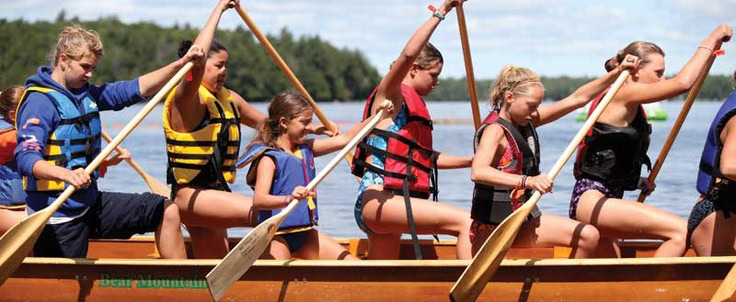
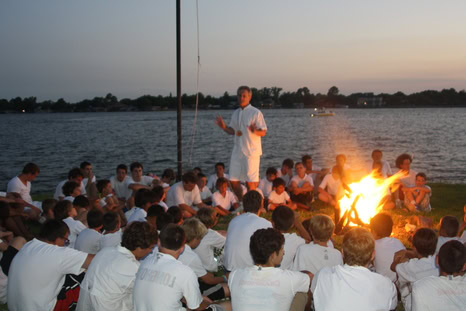
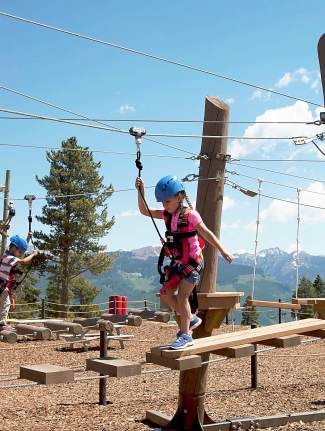
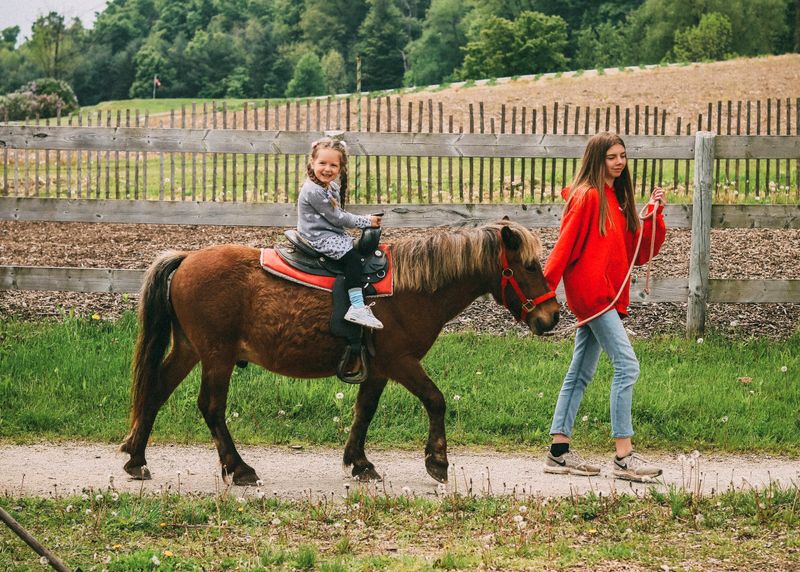
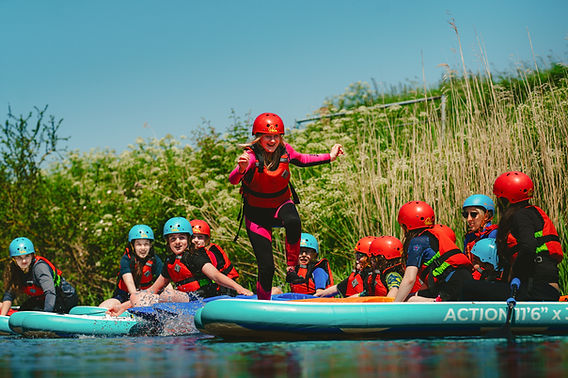
The real difference between summer camp and travel sports is the scope of what each experience develops in a child. Summer camp exposes a child to 15, 20, or even 30 different activities across a one- or two-week session: horseback riding, swimming, archery, arts and crafts, team sports, outdoor skills, ropes courses, canoeing, and more. The child rotates through these activities with a consistent group of peers, building friendships across shared experiences that extend far beyond any single skill. Travel sports, by contrast, narrows the child’s summer to a single sport played at a competitive level, with practices, tournaments, and travel consuming most of the available weeks.
The distinction matters because the two models produce different developmental outcomes. Camp prioritizes what child psychologists call “whole-child development,” a term that describes growth across social, emotional, physical, cognitive, and character dimensions simultaneously. Travel sports prioritizes athletic skill acquisition and competitive performance in one domain. A 2005 American Camp Association study across 80 camps found significant growth in campers’ self-esteem, independence, leadership, friendship skills, social comfort, and decision-making, as reported independently by parents, staff, and children themselves. Travel sports can build discipline, teamwork within a roster, and sport-specific fitness, but it rarely produces the breadth of growth that a multi-activity camp environment generates.
The core question for parents is not which experience is “better” in the abstract, but which combination of experiences will help their child grow into a confident, well-rounded person. For most families, the answer involves some of both, with camp providing the developmental breadth that travel sports cannot.
Why Do So Many Kids Quit Travel Sports?
So many kids quit travel sports because the experience stops being fun. The American Academy of Pediatrics published a clinical report in January 2024 titled “Overuse Injuries, Overtraining, and Burnout in Young Athletes” that documented the scale of the problem: 70% of youth athletes leave organized sports by age 13. Nearly 1 in 10 youth athletes experience clinical burnout. As many as 35% experience overtraining by the time they reach adulthood. The AAP report directly attributes these numbers to the professionalization of youth sports, the pressure to specialize in a single sport at younger and younger ages, and the year-round training models that leave children with no off-season.
Burnout in young athletes shows up as persistent fatigue, sleep problems, muscle pain, weight changes, and a noticeable loss of enjoyment in the sport they once loved. The child who begged to play soccer at age 7 dreads practice by age 11. The pattern is consistent across sports: when the competitive schedule expands to fill every weekend and every season, the joy that originally drew the child to the sport gets squeezed out. Dr. Joel Brenner, a fellow of the AAP and an author of the 2024 report, stated that some youth “may feel pressure from parents, coaches, and others to measure success only by performance,” which replaces intrinsic motivation with external pressure.
Parents should know the warning signs that indicate a young athlete is approaching burnout:
- The child no longer looks forward to practices or games she used to love and may actively resist attending.
- Persistent fatigue lingers even after adequate rest, and the child complains of recurring muscle soreness or minor injuries that do not fully heal between sessions.
- Sleep patterns change noticeably, with difficulty falling asleep before competitions or sleeping far more than usual on off days.
- Mood shifts appear: increased irritability, withdrawal from family conversations about the sport, or a noticeable decline in overall enthusiasm.
- Performance plateaus or declines despite continued training effort, which often signals that the body and mind have exceeded their recovery capacity.
The dropout problem carries long-term consequences.The AAP notes that discontinuation of sports during childhood plays a role in the fact that more than 75% of adolescents in the United States fail to meet physical activity recommendations. A child who burns out of travel soccer at 12 does not typically switch to recreational swimming or hiking. She often stops moving altogether. Summer camp offers a counter-model: an environment where physical activity is woven into every day through varied, low-pressure activities that keep the body moving without the emotional weight of competition and performance evaluation.
How Much Do Travel Sports Cost Families Each Year?
Travel sports cost families an average of $1,016 per child per year on the child’s primary sport alone, according to the Aspen Institute’s 2025 Project Play parent survey conducted in partnership with Utah State University and Louisiana Tech University. That figure represents a 46% increase since 2019, running at twice the rate of general inflation during the same period. When additional sports are factored in, the total rises to approximately $1,500 per child annually. Families in travel-intensive sports like ice hockey, soccer, or competitive baseball routinely spend $3,000 to $5,000 per year on travel and lodging alone.
The financial picture extends well beyond registration fees. The Aspen Institute estimates that American parents now spend more than $40 billion annually on their children’s sports activities. A 2025 New York Life survey found that 25% of parents pulled from savings or emergency funds to cover youth sports costs. The same survey revealed that 83% of parents believe their child has the ability to play at the college level, and 49% are confident their child will earn an athletic scholarship. The NCAA reports that only 2% of high school athletes receive any college athletic scholarship, and most of those are partial. The gap between parental expectation and statistical reality represents one of the most significant miscalculations in family financial planning.
Summer camp is not free, but the investment produces a fundamentally different return. Camp develops skills, confidence, and relationships that benefit every child who attends, regardless of athletic talent. Travel sports spending is a bet on a 2% probability. Camp spending is a guarantee of growth in independence, social ability, and self-confidence, outcomes the ACA has documented across thousands of campers for over two decades.
What Does Summer Camp Teach That Travel Sports Cannot?
Summer camp teaches a set of life skills that travel sports structurally cannot deliver, because camp’s design exposes children to breadth, autonomy, and social diversity that a single-sport competitive pipeline does not provide. The specific skills camp develops beyond what travel sports can offer include:
- Independence and self-management: at overnight camp, children make their own daily decisions, manage their belongings, follow a schedule without parental supervision, and solve small problems on their own. The ACA’s National Camp Impact Study identified independence as one of the three strongest outcomes of the camp experience, with effects persisting three years after attendance.
- Diverse friendships across backgrounds: camp introduces children to peers from different schools, cities, states, and sometimes countries. Travel sports teams typically involve the same group of children from the same community, year after year. Camp expands a child’s social world in ways that a roster cannot.
- Identity beyond performance: at camp, a child who struggles at archery in the morning might discover she excels at arts and crafts in the afternoon. Camp gives children multiple domains to succeed in, which builds a resilient self-concept. Travel sports ties a child’s identity to one performance domain, so a bad game or a failed tryout can feel like a personal failure rather than a temporary setback.
- Emotional regulation and conflict resolution: living with a cabin full of peers requires daily practice in sharing space, managing disagreements, handling homesickness, and supporting others. These are social-emotional skills that transfer directly to school, family life, and eventual adult relationships.
- Comfort with the unfamiliar: camp asks children to try activities they have never attempted, sleep in an unfamiliar place, and build trust with new adults and peers. The ACA found that 74% of campers did things at camp they were initially afraid to do. Travel sports, by definition, keeps a child inside her comfort zone of a familiar sport with familiar teammates.
Research from Spielvogel, Warner, and Sibthorp (2022) found that three years after attending summer camp, children maintained increases in their affinity for nature and their willingness to try new things. These lasting effects distinguish camp from short-term athletic training, where skill retention depends on continued practice but character growth often plateaus once the competitive environment is removed.
| Dimension | Summer Camp | Travel Sports |
|---|---|---|
| Skill Development | Broad: 15-30 activities across physical, creative, and outdoor domains | Deep: intensive single-sport technique and conditioning |
| Social Circle | New peers from different schools, cities, and backgrounds each session | Same teammates from the same community, season after season |
| Independence | High: children manage routines, decisions, and daily life without parents | Low: parents drive, attend, coordinate schedules, and manage logistics |
| Self-Confidence Source | Earned across multiple activities; 70% of parents report confidence gains (ACA) | Tied to athletic performance; vulnerable to injury, benching, or cut from team |
| Burnout Risk | Very low: varied activities, no competitive pressure, emphasis on fun | High: 70% of youth athletes quit by age 13 (AAP, 2024) |
| Average Annual Cost | Varies by session length and camp type | $1,016 per primary sport; $3,000-$5,000+ for travel-intensive sports (Aspen Institute, 2025) |
| Long-Term Outcome | 60% of alumni report lasting gains in independence, teamwork, and leadership (Richmond et al., 2019) | Only 2% of high school athletes earn any college scholarship (NCAA) |
Sources: American Camp Association Youth Development Outcomes Study (2005), American Academy of Pediatrics clinical report (2024), Aspen Institute Project Play / Utah State University parent survey (2025), NCAA scholarship data, Richmond, Sibthorp & Wilson (2019).
Is Summer Camp Good for Athletes?
Yes, summer camp is good for athletes, and many coaches and sports psychologists argue that camp makes athletes better. The reason is straightforward: camp provides a mental and physical reset that year-round travel sports cannot. A child who spends 10 or 11 months training in one sport needs time away from that sport to recover physically, recharge emotionally, and rediscover the joy of movement outside of a competitive framework. Camp delivers that reset through a daily schedule filled with varied physical activities that build complementary skills without the pressure of performance evaluation.
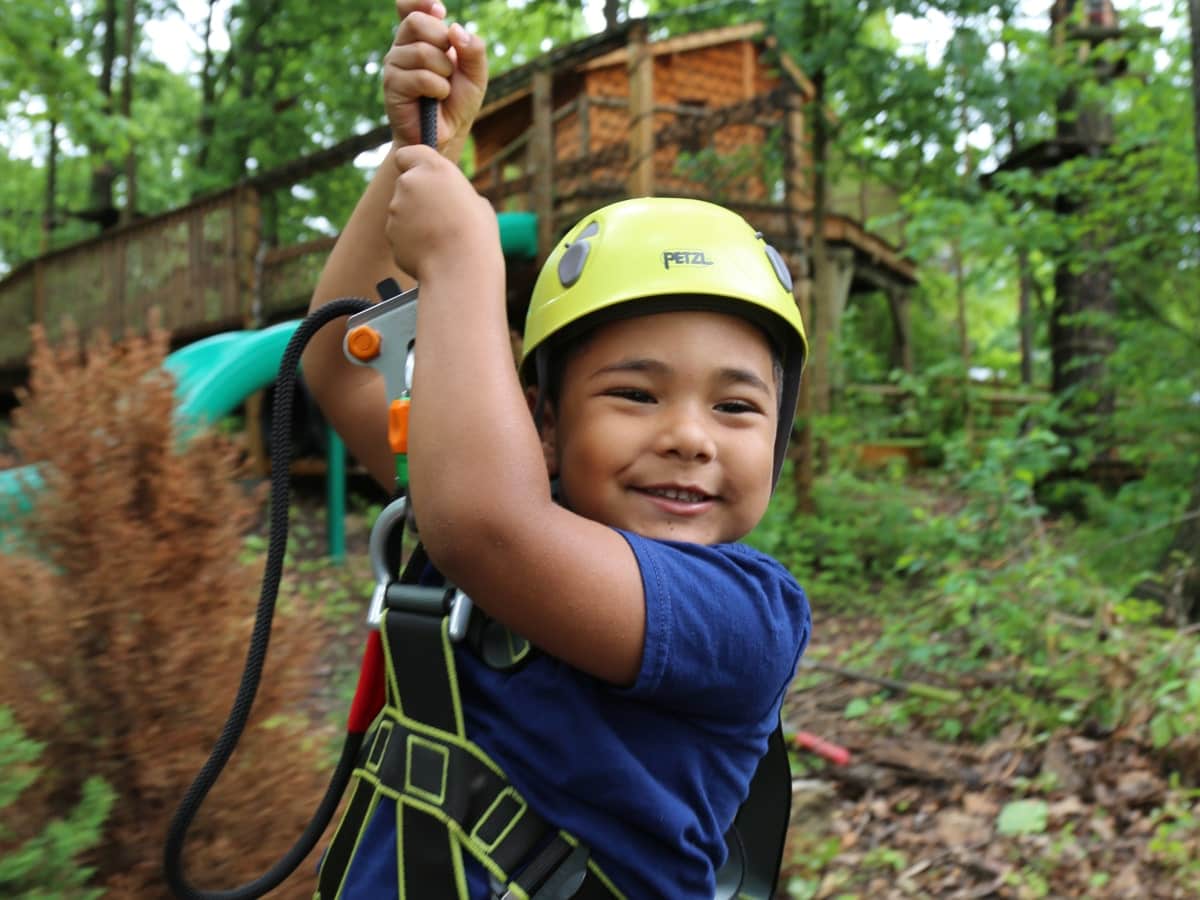
A ropes course develops balance, upper-body strength, and the ability to manage fear under controlled conditions. Canoeing builds core stability, coordination, and teamwork in a completely different movement pattern than field sports demand. Horseback riding strengthens the rider’s core, improves posture, and requires focus and emotional regulation. These cross-training benefits translate directly back to the child’s primary sport when the season resumes. Research consistently shows that pre-high school children achieve greater overall motor skill development from athletic diversification than from sport-specific specialization. A landmark 2024 study published in the American Journal of Sports Medicine tracked 1,200 youth athletes over five years and found that multi-sport athletes were significantly more likely to play sports in college than early specializers.
The psychological benefits may matter even more than the physical ones. Camp gives a competitive athlete permission to be a kid again, to try something she might fail at, to laugh about a missed target in archery instead of agonizing over a missed goal in a tournament. That emotional freedom often produces a child who returns to her sport with renewed enthusiasm and a healthier relationship with competition. Many coaches privately agree: the athletes who take a real break, not just a lighter training schedule, come back stronger.
Does Early Sports Specialization Help or Hurt Kids?
Early sports specialization hurts more kids than it helps. The American Academy of Pediatrics, the Long-Term Athlete Development (LTAD) model used in Canada and endorsed by pediatric sports medicine experts worldwide, and a growing body of longitudinal research all converge on the same conclusion: children under 12 benefit far more from playing multiple sports and activities than from focusing on a single sport year-round.
The LTAD framework divides child development into stages. The “FUNdamentals” stage (roughly ages 6 to 9) emphasizes fun, imagination, and movement variety. The “Learn to Train” stage (roughly ages 9 to 12) introduces sport-specific skills but maintains a ratio of approximately 75% practice to 25% competition, with multi-sport participation still recommended. Specialization is not recommended until the “Train to Train” stage, which begins around ages 12 to 16 depending on the child’s maturation. Children who specialize before these windows close are at significantly higher risk for overuse injuries, psychological burnout, and early dropout.
The AAP’s 2024 clinical report reinforces this position. The report states that professionalization of youth sports “is widely considered responsible for the high volumes of training and the pressure to specialize in a single sport that may lead to overuse injury, overtraining, and burnout in young athletes.” The counterintuitive finding across decades of research is that most elite adult athletes did not specialize early. Multi-sport participation through middle school, followed by gradual specialization in high school, produces better long-term athletic outcomes than early single-sport focus. Summer camp, with its menu of 20+ activities practiced daily across a one- or two-week session, is the embodiment of the diversified development model that sports science recommends for children under 12.
How Does Travel Sports Affect Family Time?
Travel sports affects family time by consuming weekends, splitting family schedules, and creating a logistics burden that reshapes how the entire household operates. A travel team that competes in regional tournaments requires families to spend Saturdays and Sundays at sports complexes, often hours from home. Hotels, early-morning departures, fast-food meals between games, and hours of spectating replace the unstructured family time that children and parents both need.
The Aspen Institute’s Project Play data shows that the average family spends $414 on travel and lodging per year for youth sports, with travel-intensive families spending $3,000 to $5,000 annually on travel alone. The time cost compounds the financial cost. Parents miss work. Siblings miss their own activities. Family vacations get replaced by tournament weekends. A 2025 survey found that 76% of parents took some kind of action to manage youth sports costs, ranging from cutting other spending to pulling from emergency savings. The schedule becomes the family’s organizing principle, and the sport, rather than the child, starts driving every decision.
Summer camp offers a different model entirely. When a child is at camp, the whole family gets a reset. Parents have time to reconnect with each other and with siblings who may have been sidelined by the travel sports schedule. The camper, meanwhile, is building independence and friendships in an environment completely separate from the family’s daily routine. That separation is healthy. Research from the ACA shows that 92% of campers said camp helped them feel good about themselves, a finding that reflects the confidence children gain when they succeed on their own, without a parent in the bleachers directing every move.
Can Your Child Do Both Summer Camp and Travel Sports?
Yes, your child can do both summer camp and travel sports, and for most families, a combination of both produces the strongest overall outcome. The summer is long enough to accommodate a few weeks of camp alongside the travel sports schedule, and the benefits of camp fill developmental gaps that travel sports leave open.
A practical approach looks like this: dedicate one or two weeks of the summer to overnight camp, where the child immerses in the full camp experience, builds new friendships, tries new activities, and gets a genuine mental break from competitive athletics. Use the remaining weeks for travel sports training, tournaments, or skill camps. This split gives the child the best of both worlds: the sport-specific development she wants alongside the whole-child growth she needs. Many of the strongest, happiest young athletes attend camp between sports seasons and return to their teams more motivated, more resilient, and more socially confident.
The key is treating camp as a complement, not a competitor, to athletics. Camp does not take away from a child’s athletic development. Camp adds to it by building the mental toughness, adaptability, and emotional resilience that sports alone cannot produce. Start preparing for camp and review session dates early in the year to find windows that fit around tournament schedules. Even one week at camp can produce measurable growth in a child’s confidence and independence. The camp experience is cumulative: first-time campers gain the most dramatic boost, and returning campers build on that foundation each summer.
Frequently Asked Questions
What Age Should a Child Start Travel Sports?
A child should start travel sports no earlier than age 12, according to the Long-Term Athlete Development model and pediatric sports medicine recommendations. The LTAD framework identifies ages 6 to 12 as the window for multi-sport participation, movement exploration, and fun-centered athletics. Children who specialize before age 12 face higher rates of overuse injury, burnout, and early dropout. The AAP’s 2024 clinical report supports this position and warns against the professionalization of youth sports for pre-adolescent children.
Are Travel Sports Worth the Cost?
Travel sports are worth the cost only if the family has a realistic understanding of what the investment produces. The Aspen Institute reports that the average family spends $1,016 per child per year on a primary sport, with travel-intensive families spending far more. The NCAA reports that only 2% of high school athletes earn any college scholarship. For families who can afford the commitment without financial strain and whose child genuinely enjoys the competitive environment, travel sports can be a positive experience. For families stretching their budget in hopes of a scholarship payoff, the statistical odds suggest a poor return.
Is It Better to Play Travel or Rec Sports?
Whether it is better to play travel or rec sports depends on the child’s age, interest level, and the family’s capacity for the time and financial commitment travel requires. Rec sports offer lower cost, lighter schedules, local play, and an emphasis on fun and skill development. Travel sports offer higher-level competition, advanced coaching, and exposure to scouts and tournaments. For children under 12, most pediatric sports experts recommend rec-level play combined with multi-sport participation. For older children with a strong passion and realistic goals, travel can be a worthwhile step up.
How Do Multi-Sport Kids Perform Compared to Single-Sport Kids?
Multi-sport kids perform better than single-sport kids over the long term. A 2024 longitudinal study published in the American Journal of Sports Medicine found that multi-sport athletes were significantly more likely to play sports in college than early specializers. Multi-sport participation develops a broader base of motor skills, reduces overuse injury risk, and maintains the child’s intrinsic enjoyment of physical activity. Most Division I collegiate athletes played multiple sports through middle school and specialized in high school or later.
What Are the Signs of Youth Sports Burnout?
The signs of youth sports burnout include persistent fatigue that rest does not resolve, declining performance despite continued training, sleep disruption, loss of enthusiasm for the sport, increased irritability or mood changes, and physical complaints such as recurring muscle pain or frequent minor injuries. The AAP estimates that nearly 1 in 10 youth athletes experience clinical burnout and that 35% experience overtraining symptoms by adulthood. Parents who notice these signs should consider reducing the competitive load and introducing varied, low-pressure physical activities like those offered at summer camp.
How Does Summer Camp Build Social Skills?
Summer camp builds social skills by placing children in a living community where they must make friends, share space, resolve conflicts, collaborate on group activities, and communicate with peers and adults outside their family circle every single day. The ACA found that 96% of campers made new friends at camp and 93% said camp helped them get to know kids who are different from them. These social-emotional gains are reinforced daily through cabin life, group activities, shared meals, and team-based challenges. Camp is ACA accredited for a reason: the structured social environment is intentionally designed to produce these outcomes.
The Takeaway
Travel sports and summer camp both offer real value, but they develop different things. Travel sports sharpens athletic skill inside a competitive structure. Summer camp builds the person underneath the athlete: the confidence, independence, friendships, and breadth of experience that serve a child well regardless of whether she plays sports at 15, 25, or 55. The research is clear that 70% of young athletes will leave organized sports by their early teens. The skills camp develops, the friendships camp creates, and the memories camp produces do not have an expiration date. Sixty percent of camp alumni report that camp helped shape their independence, teamwork, and leadership long after the last campfire.
For families weighing how to spend the summer, the strongest approach is usually a blend: a few weeks of camp for whole-child growth, combined with whatever athletic training the child genuinely enjoys. A daughter who spends two weeks at Riverview Camp for Girls riding horses along the banks of Little River in Mentone, Alabama, trying the ropes course, paddling a canoe, and singing with her cabin at evening vespers will carry those experiences into every season that follows. Enroll early and give her a summer that builds more than a stat line.