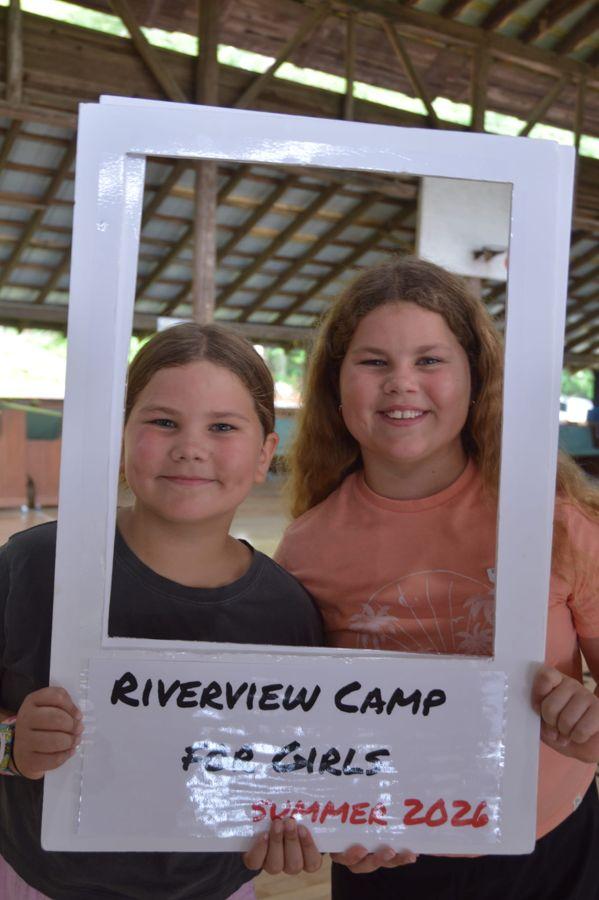

Most first-time campers do best starting with a one-week session to test the waters, though a two-week session offers deeper personal growth once a child is ready. The right choice depends on your daughter’s age, comfort level away from home, and enthusiasm for camp. Young, shy, or highly anxious first-time campers ages 6 to 8 often thrive in a one-week session that gives them a taste of camp life without a long commitment. Older children ages 9 to 12, or first-timers who are very excited and adaptable, typically get more out of a two-week session because they have time to move past the adjustment period and into the deeper friendships, skill development, and confidence building that camp is known for. Research from the American Camp Association (ACA) shows that two-to-three-week sessions produce essentially the same growth benefits as sessions lasting four weeks or longer. This article breaks down exactly what each session length offers, what happens during the first few days of camp, why longer sessions build stronger bonds, and how to decide which option fits your daughter best.
One Week vs Two Week Camp Sessions: What Each One Offers
One-week camp sessions offer a short, approachable introduction to overnight camp, while two-week sessions provide enough time for campers to fully settle in and experience the deeper benefits of camp life. Both session lengths have real value, and the best choice is the one that matches where your daughter is right now, not where you hope she will be by the end of the summer.
A one-week session typically runs five to seven days. During that time, campers participate in activities, sleep in cabins, eat communal meals, and experience the daily rhythms of camp. According to data compiled by Summer Camp Hub, two weeks is the most common session length for overnight camps at 47%, followed by one-week sessions at 32%. One-week sessions exist because camps recognize that some children need a shorter runway before they feel comfortable being away from home. A two-week session doubles that runway. Campers go through the same opening-day nerves and adjustment, but they have a full second week where the adjustment is behind them and the real camp experience begins. The ACA’s Youth Development Outcomes study found that camps produce significant growth in self-confidence, independence, social skills, and willingness to try new things, and those outcomes deepen when campers have more time to absorb the experience.
At Riverview, we offer both one-week and two-week sessions because we know every girl arrives at a different starting point. Our one-week sessions are designed as the perfect opportunity to experience camp for the first time. Our two-week sessions are where most of our campers land, because the second week is when friendships solidify, skills sharpen, and that feeling of “this is my camp” takes root.
| Dimension | One-Week Session | Two-Week Session |
|---|---|---|
| Adjustment Time vs. Integrated Time | About 1/4 of the session spent fully settled in | About 2/3 of the session spent fully settled in |
| Friendship Depth | Surface-level connections, new names and faces | Deeper bonds through shared experiences and cabin life |
| Skill Development | Exposure to activities, introduction to new skills | Real progression, time to improve and try advanced options |
| Independence Growth | “I survived being away from home” | “I thrived on my own and discovered what I can do” |
| Homesickness Recovery | Session may end before full adjustment | Most campers fully adjust and enjoy the remainder |
| Camper Return Rate | 15-25% lower retention than longer sessions | Significantly higher year-over-year return rates |
| Best For | Young, shy, or nervous first-timers testing the waters | Excited first-timers and returning campers ready for depth |
The retention data in the table above comes from Camp Champions, which tracked return rates across 20 years of overnight camp programming. The adjustment-time ratio is based on the observation that most new campers use the first 2-4 days of any session simply getting comfortable with the new environment. In a one-week session, that adjustment consumes the majority of the time. In a two-week session, the camper spends roughly twice as many days fully integrated as she spends adjusting.
Is One Week of Summer Camp Enough?
One week of summer camp is enough for a child to experience cabin life, try new activities, make new friends, and get a genuine taste of what camp feels like. For many young or hesitant first-timers, one week is a smart starting point. It lowers the emotional stakes for both the camper and the parent, and it gives a nervous child proof that she can handle being away from home.
Where one week falls short is in the depth of that experience. Industry data shows that most new campers spend the first 2-4 days adjusting to their new surroundings, learning names, figuring out routines, and working through the normal feelings of missing home. In a seven-day session, that means the camper is only truly settled and enjoying camp for the final two or three days. The session ends just as she starts to feel comfortable. Camp professionals across the country report that one-week sessions retain 15-25% fewer campers than longer sessions, and that gap reflects the reality that many one-week campers leave before the experience fully clicks.
That said, one week is not a failure. A one-week camper who arrives nervous and leaves smiling has accomplished something real. She has proven to herself that she can sleep in a cabin, eat meals without her parents, try archery or swimming for the first time, and make it through a week on her own. For a six or seven-year-old, that is a major milestone. The question is not whether one week “works.” The question is whether your daughter is ready for more.
What Happens During the First Few Days of Camp?
During the first few days of camp, campers learn names, find their way around, adjust to cabin routines, process the feeling of being away from home, and begin to form early connections with counselors and bunkmates. This adjustment period is completely normal, and nearly every child goes through it regardless of age or personality.
Dr. Christopher Thurber, a psychologist at Phillips Exeter Academy who has studied camp adjustment extensively, found that 83% of campers report homesick feelings on at least one day of camp. The American Psychological Association reports that about 90% of young people spending time away from home experience some degree of sad feelings. These numbers sound high, but the important detail is that the vast majority of those feelings are mild and temporary. According to American Summer Camps, 95% of campers experience only a short adjustment period during the first few days before they get caught up in the excitement of new friends, activities, and adventures.
The adjustment period typically looks like this: on day one, everything is new, and the camper is taking it all in. By day two, the schedule starts to feel familiar. By day three, she has a favorite activity and a girl she sits with at meals. By day four, the cabin feels like hers. This progression happens at every camp, with every session length. The difference is what comes after the adjustment. In a one-week session, the camper has one or two days of fully settled enjoyment before closing day arrives. In a two-week session, she has eight or nine days of that deeper experience ahead of her.
At Riverview, our counselors are trained to guide campers through this transition with patience and warmth. We see it every session on Lookout Mountain in Mentone, Alabama. A girl who cried at opening day drop-off is singing at campfire by day three and begging to extend her session by day five. The adjustment period is not something to fear. The adjustment period is the doorway to everything camp offers.
Why Do Longer Camp Sessions Build Deeper Friendships?
Longer camp sessions build deeper friendships because they give campers time to move past surface-level introductions and into the shared experiences, inside jokes, and genuine trust that only develop through sustained daily living together. Friendships at camp form faster than friendships at school because campers share meals, cabins, activities, and campfire conversations from morning to night. That intensity accelerates connection, but even accelerated connection needs more than a few days to become something lasting.
During the first week, campers are learning names, finding common ground, and figuring out the social dynamics of their cabin. Those early connections are real, but they are still forming. The second week is where those connections deepen. Campers who have been bunkmates for ten days have shared rainstorms, relay races, late-night conversations, and moments of encouragement that bond them in ways a five-day acquaintance cannot replicate. Research from the ACA’s National Camp Impact Study found that after camp, parents reported their children had deeper friendships and a stronger sense of community, and that these relational outcomes were most pronounced when campers had enough time to move beyond the adjustment phase.
The friendship timeline at camp follows a predictable pattern. Days one through four are about meeting, learning, and warming up. Days five through seven bring the first real shared experiences and emerging trust. Days eight through fourteen deliver inside jokes, vulnerability, working through small conflicts, and the kind of heart-level connection that campers carry into the school year. A 2022 study by Spielvogel, Warner, and Sibthorp found that three years after attending summer camp, increases in willingness to try new things and affinity for nature still persisted. Those long-term benefits grew from relationships formed during the camp experience, not from the activities themselves. The activities were the vehicle. The friendships were the engine.
Why Do Some Campers Do Better with Two Weeks Than One?
Some campers do better with two weeks than one because the second week is where they stop adjusting and start thriving. The first week is about survival in the best sense of the word: learning routines, managing homesickness, figuring out where things are, and proving to herself that she can do this. The second week is where she discovers what she loves, tries the ropes course she was too nervous for on day two, forms the friendship that turns into a pen pal, and walks away feeling genuinely different than she did when she arrived.
Camp Augusta, an overnight camp in Northern California, describes this shift simply: “Week one is head. Week two is heart.” The first week gives campers information and exposure. The second week gives them transformation and belonging. The ACA published research in Camping Magazine showing that camper outcomes in friendship, competence, and independence were not significantly different between two-week and four-week sessions, which means two weeks captures the majority of the growth benefit without requiring a month-long commitment. For families trying to maximize the camp experience within a reasonable time frame, two weeks hits the sweet spot.
Should I Send My Child to Camp for One Week or Two Weeks?
You should send your child to camp for one week if she is young, shy, highly anxious about being away from home, or has never spent a night away from family. You should send her for two weeks if she is excited about camp, has successfully done sleepovers, adapts well to new environments, and is ready for a deeper experience. The decision is not really about the number of days. The decision is about your daughter’s readiness.
Readiness is a combination of several factors that matter more than age alone. Consider these questions as a starting framework:
- Has your daughter successfully spent nights away from home with friends, family, or at other programs?
- Can she manage basic self-care like getting dressed, brushing teeth, and keeping track of belongings without constant reminders?
- Does she show genuine excitement about camp, or does she seem pressured into going?
- How does she typically handle new situations? Does she warm up quickly, or does she need several days before she feels comfortable?
- Has she expressed a preference for how long she wants to stay?
A girl who checks most of those boxes is likely ready for two weeks, even as a first-timer. A girl who has never slept away from home and shows significant anxiety may do better starting with one week and returning for two the following summer. The Gallup Survey conducted in partnership with the National Summer Learning Association and the ACA found that 30 million youth participated in structured summer opportunities in 2024. The families whose children got the most from those experiences were the ones who matched the program length to the child’s readiness rather than defaulting to the shortest or longest option available.
What Is the Best Age to Start Sleepaway Camp?
The best age to start sleepaway camp is typically between 7 and 10 years old, though readiness matters far more than the number on a birthday cake. The American Academy of Pediatrics notes that most children are ready for overnight camp by about age 7 to 8, provided the program is designed for younger campers with shorter sessions, higher staff-to-camper ratios, and structured daily routines.
At Riverview, we welcome girls as young as 6 and as old as 16. Our one-week sessions are especially popular with first-time campers in the 6-to-8 age range because the shorter stay gives young girls a manageable introduction to what campers can expect. Girls ages 9 to 12 frequently attend for two weeks and discover that the extra time lets them go deeper into activities like horseback riding, arts and crafts, and tennis. Teens ages 13 to 16 often choose multi-session combinations or join our Counselors-In-Training program, where they develop leadership skills alongside their camp experience.
Is Two Weeks Too Long for a First Time Camper?
No, two weeks is not too long for a first time camper, as long as the child is emotionally ready and excited about attending. Many families assume shorter is automatically safer, but camp professionals consistently observe that shorter is not always easier. A confident, enthusiastic first-timer who attends for two weeks has more time to adjust, more time to build friendships, and more time to experience the full range of activities camp offers. She leaves camp with a deeper sense of accomplishment than a one-week camper who just started feeling comfortable when the session ended.
We recommend that our two-week campers attend for the full session when possible. Campers tend to get “settled in” during the first week, and the following week they spend more time developing skills in activities, making stronger friendships, and enjoying the feeling of “my camp.” If she initially signs up for one week and wants to extend her stay, we do our best to accommodate that request when space is available. That flexibility gives families a safety net: start with one week, and if she loves it, stay for two.
How to Prepare a First Time Camper for Overnight Camp
Preparing a first time camper for overnight camp starts weeks before drop-off and involves building independence, setting positive expectations, and practicing time away from home. The goal is not to eliminate nervousness entirely. Some nervousness is healthy and normal. The goal is to give your daughter the tools and confidence she needs to work through that nervousness on her own.
Follow these steps to set her up for a successful first session, whether she attends for one week or two:
- Practice sleepovers at a friend’s house or a relative’s home at least two or three times before camp begins. Each successful night away builds her confidence that she can handle being apart from you.
- Involve her in the camp selection process. Look at photos, explore the preparation resources together, and talk about the activities she is most excited to try.
- Review the packing list together and let her help pack her trunk. Ownership over her belongings gives her a sense of control in an unfamiliar environment.
- Talk positively about camp without overpromising. Say “you are going to try so many new things” instead of “you are going to have the best time of your life.” Realistic expectations prevent disappointment.
- Avoid making a “rescue deal.” Saying “if you do not like it, I will come pick you up” gives her an exit strategy that undermines her ability to work through normal adjustment. Instead, encourage her to talk to her counselor if she feels homesick.
- Write cheerful, upbeat letters during camp. Focus on what she is doing, not on how much you miss her. Two to three letters per week is plenty.
Dr. Christopher Thurber’s research confirms that children who arrive at camp with a repertoire of coping strategies and some practice time away from home handle the adjustment period significantly better than children who have never spent a night apart from their parents. The preparation you do before camp shapes everything that happens after drop-off.
Can a Child Extend Their Camp Session?
Yes, many camps allow a child to extend their session from one week to two weeks if space is available. At Riverview, if your daughter initially signs up for a one-week session and wants to stay for a second week, we will add the additional week when a spot is open. This option gives families the best of both worlds: the security of a shorter initial commitment with the flexibility to extend if your daughter is having the time of her life.
We also offer customized combination sessions ranging from two to eight weeks for families who want a longer, more immersive experience. Multi-session campers enjoy chaperoned excursions between sessions to nearby Chattanooga, which adds an extra layer of adventure to the summer. Whether your daughter attends for one week or eight, the camp experience compounds with every additional day she spends here. Check our session options to see what fits your family’s summer schedule.
Frequently Asked Questions
How Long Does the Camp Adjustment Period Last?
The camp adjustment period typically lasts 2 to 4 days for most first-time campers. During this time, campers are learning routines, meeting cabin mates, learning the daily schedule, and processing the feeling of being away from home. Dr. Christopher Thurber’s research shows that 83% of campers report homesick feelings on at least one day, but the vast majority of those feelings resolve within the first few days. By day three or four, most campers feel comfortable and are fully engaged in activities and friendships.
What Is the Average Camp Session Length?
The average camp session length varies by camp type, but two weeks is the most common length for overnight camps at 47%, according to data from Summer Camp Hub. One-week sessions account for about 32% of overnight camp programming. Some traditional camps run six to eight weeks for a full-season experience. The ACA’s research indicates that two-to-three-week sessions produce the same developmental growth benefits as sessions lasting four weeks or longer, which is why many camps structure their primary offerings around the two-week mark.
How Long Should My Child Go to Summer Camp?
Your child should go to summer camp for as long as her readiness, excitement, and your family’s schedule allow. For first-time campers who are young or nervous, one week is a solid starting point. For first-timers who are confident and eager, two weeks captures significantly more growth. Returning campers often extend to three or four weeks as their comfort and love for camp deepens. The most important factor is matching the session length to your daughter’s emotional readiness rather than choosing the shortest option by default.
What Should I Pack Differently for a Two-Week Session?
For a two-week session, you should pack the same essentials as a one-week session but in larger quantities, especially clothing, toiletries, and stationery for letter writing. Most camps provide laundry service during two-week sessions, so you do not necessarily need to double every item. Check the camp’s specific packing list for guidance on quantities. At Riverview, our packing page provides detailed recommendations for both one-week and two-week stays.
Can Siblings Attend Different Session Lengths?
Yes, siblings can and often should attend different session lengths based on each child’s individual readiness. A younger sister may do best with a one-week introduction while an older sister thrives in a two-week session. Each child is different, and forcing both into the same session length can mean one child is stretched too far while the other does not get enough time. We encourage families to evaluate each daughter separately and choose the length that fits her personality, age, and experience level.
Do Multi-Session Campers Get Extra Activities?
Multi-session campers often get access to additional programming, special events, and excursions that single-session campers do not experience. At Riverview, campers who attend multiple sessions enjoy chaperoned trips between sessions to nearby Chattanooga, along with the opportunity to deepen skills in their favorite activities, try options they missed in the first session, and build even stronger bonds with counselors and cabin mates. The longer a camper stays, the more camp becomes hers.
The Takeaway
Choosing between a one-week and a two-week camp session comes down to knowing your daughter. A one-week session is a strong starting point for a young or nervous first-timer who needs proof that she can handle being away from home. A two-week session unlocks the deeper friendships, skill development, and personal growth that camp is built to deliver. The ACA’s research confirms that two-to-three-week sessions capture the full range of developmental benefits, and the 60% of camp alumni who report lasting gains in independence, teamwork, and leadership point to the power of giving children enough time to truly absorb the experience.
At Riverview Camp for Girls, we offer the flexibility to start where your daughter is comfortable and grow from there. Whether she begins with a one-week taste of camp or dives into a two-week adventure, she will leave with more confidence, stronger friendships, and memories that last far longer than the summer. Give us a call at 256-634-4043 or start the enrollment process to find the session that fits your family.