
Yes, summer camp is worth the cost. The confidence, independence, social skills, and resilience children develop at camp last far longer than the session itself. Research from the American Camp Association (ACA) shows that 92% of campers report increased self-confidence after attending, and 96% make new friends. A 2022 longitudinal study by Spielvogel, Warner, and Sibthorp found that positive outcomes from camp, including willingness to try new things and openness to new experiences, persisted three full years after attending. Camp is not a summer expense. Camp is a developmental investment that pays dividends in the classroom, in friendships, and in every new challenge your daughter faces for years to come. This article breaks down what camp tuition actually covers, how camp compares to other summer options, why the benefits outlast the session, and how to evaluate whether a specific camp is worth the price.
Are Summer Camps Worth the Money?
Summer camps are worth the money because they deliver outcomes that no other summer experience replicates at the same depth. A week at camp combines 24-hour supervised care, structured activities led by trained counselors, social skill development through cabin life, physical activity in a screen-free environment, and personal growth through new challenges. No combination of babysitters, sports leagues, and screen time produces the same result.
The ACA’s Youth Development Outcomes Study found that 70% of parents reported their child gained self-confidence at camp. A separate study by Richmond, Sibthorp, and Wilson published in the Journal of Youth Development (2019) found that 60% of camp alumni report camp helped them develop independence, teamwork, self-efficacy, leadership, and communication skills. These are not short-term effects. The research shows these gains carry into school performance, social relationships, and future career readiness.
The financial return on camp is not always visible on a receipt. It shows up in a daughter who raises her hand in class for the first time, who walks into a new school and introduces herself without hesitation, who handles a difficult social situation with maturity instead of avoidance. Those outcomes are what parents are investing in when they choose camp.
What Skills Do Children Gain at Summer Camp?
Children gain a wide range of skills at summer camp that overlap with the skills employers, educators, and psychologists consistently identify as essential for long-term success. The skills children develop at camp include:
- Self-confidence, built through mastering new activities and managing independence away from home
- Social skills, practiced daily through cabin living, group meals, and cooperative activities with girls from different backgrounds
- Resilience, developed by facing challenges like homesickness, unfamiliar activities, and adapting to new routines
- Independence, cultivated through making daily decisions about activities, managing personal belongings, and solving problems without a parent present
- Leadership, practiced through team activities, the Counselor-In-Training pipeline, and mentoring younger campers
- Communication skills, strengthened through face-to-face interaction in a screen-free environment where conversation is the only way to connect
A study published in Children and Youth Services Review by Warner et al. (2021) confirmed that camp develops independence, perseverance, openness to new experiences, self-identity, appreciation for differences, and mindfulness in youth participants. The ACA’s National Camp Impact Study found that 58% of youth reported camp helped them appreciate the importance of being present in the moment, specifically by taking time away from technology and developing in-person relationships. In a world where children spend an average of seven or more hours per day on screens, according to the American Academy of Pediatrics, a screen-free camp environment is itself a significant developmental intervention.
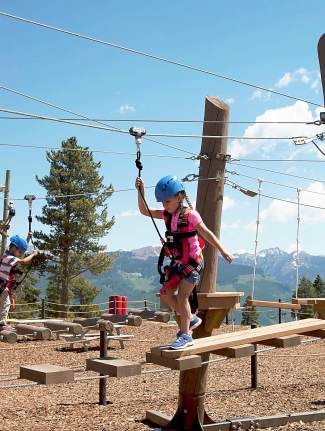
At Riverview, each camper chooses six activities daily from options including horseback riding, archery, tennis, ropes course, arts and crafts, gymnastics, canoeing, and more. Each activity is led by certified, trained staff who focus on participation and personal growth rather than competition.
Waterfront activities like swimming in the heated pool and in Little River give campers a chance to build physical confidence in a setting unlike anything they experience at home. The breadth of activity options means every child finds at least one area where she feels capable and proud, and that feeling of mastery is the foundation of self-confidence.
What Does Camp Tuition Actually Pay For?
Camp tuition pays for the full infrastructure required to keep children safe, supervised, engaged, and growing 24 hours a day. The cost of running a quality overnight camp is substantial because the operation is far more complex than most parents realize. According to industry data compiled by Regpacks, the average cost of running a camp for one year ranges between $750,000 and $1 million, even for modestly sized programs.
Camp tuition covers trained counselors who live with your daughter around the clock. At Riverview, camp counselors complete an extensive orientation, earn Red Cross certifications in First Aid and CPR, and receive activity-specific training before campers arrive.
Many of these counselors are former Riverview campers who returned through the Counselor-In-Training program, which means they understand the camp culture from the inside out. Staffing alone accounts for the largest share of camp tuition at most overnight programs, because quality care requires quality people.
Beyond staffing, tuition funds facilities maintenance (cabins, dining halls, activity areas, waterfront infrastructure), safety systems (ACA accreditation compliance, background checks, emergency protocols), medical support, liability insurance, food service for every meal and snack, activity equipment (horses, boats, archery gear, climbing walls, arts supplies), and the administrative work of coordinating sessions, cabin assignments, and parent communication. Riverview holds ACA accreditation, which requires meeting over 300 health and safety standards, an investment that directly benefits your daughter’s wellbeing.
Why Does Summer Camp Cost So Much?
Summer camp costs reflect the reality that running a safe, high-quality residential program for children requires significant investment in people, facilities, safety, and programming. According to a 2024 analysis by SummerCamps.com, the average cost for a week of overnight summer camp in the United States is $1,256.56. Day camps average between $73 and $87 per day, according to the ACA. Overnight camps cost more because they include housing, meals, 24-hour supervision, and a fully immersive experience that day programs cannot replicate.
A 2025 NerdWallet survey found that 25% of parents plan to spend over $2,000 per child on summer camp. At the same time, a Gallup survey conducted in partnership with the National Summer Learning Association and the ACA found that 46% of parents report difficulty affording camp. The tension between camp’s value and its cost is real, and it is one of the industry’s biggest challenges. Approximately 80% of summer camps in the United States are operated as nonprofit organizations, which means tuition is reinvested into programs, staff, and safety rather than distributed as profit.
The cost comparison that matters most is not “camp vs. free.” It is “camp vs. the alternative.” When families compare the per-hour cost of camp to the per-hour cost of babysitters, tutors, sports leagues, and other structured summer activities, camp often emerges as comparable or more cost-effective, especially when accounting for the breadth of what is included in a single tuition.
How Does Camp Compare to Other Summer Options?
Camp compares favorably to other summer options when you measure the full scope of what your child receives per dollar spent. A babysitter provides supervision but not structured developmental programming. A sports league provides one activity but not the immersive 24-hour social and personal growth environment. Tutoring addresses academics but not confidence, independence, or social skills. Camp delivers all of these in a single package.
| Summer Option | Typical Weekly Cost | Supervision Hours | Social Skill Development | Independence Building | Screen-Free |
| Overnight camp | $1,000 – $2,500 | 24 hours/day, 7 days | High (cabin life, group activities, meals) | High (away from home, daily decisions) | Yes |
| Day camp | $365 – $600 | 6-10 hours/day, weekdays | Moderate (group activities during the day) | Low to moderate | Often yes |
| Babysitter/nanny | $525 – $1,000 | 8-10 hours/day, weekdays | Low (one-on-one or small group) | Low | No |
| Sports league | $50 – $200 | 2-4 hours/week | Moderate (team interaction) | Low | During practice only |
| Unstructured summer | $0 | Parent-dependent | Low (limited peer interaction) | Low | No |
Sources: ACA average camp cost data; SummerCamps.com 2024 analysis; TrustedCare 2024 childcare cost data; DaycareCalc 2026 summer cost calculator
When measured per hour of care, overnight camp often costs less than a babysitter. A two-week camp session provides 336 continuous hours of supervised, structured, developmental programming. A babysitter providing 8 hours per day for the same 14 days provides 112 hours of supervision with no structured programming, no cabin community, no certified activity instruction, and no screen-free environment. The per-hour cost of camp drops significantly when you account for the full scope of what is included.
What Happens When Kids Have No Structured Summer Activities?
When kids have no structured summer activities, they face what educators call the “summer slide,” a well-documented regression in academic skills, social confidence, and physical fitness that occurs during unstructured summer months. A 2024 Gallup survey found that 45% of US children do not participate in any structured summer program. These children are more likely to spend their days on screens, with limited social interaction outside their immediate family.
The ACA’s research found that high-quality summer camp experiences result in better academic experiences the following school year, according to Spielvogel, Warner, and Sibthorp (2022). Camp does not just fill time. Camp fills the developmental gap that opens when school ends. The social skills practiced in the cabin, the problem-solving demanded by new activities, and the resilience built by managing homesickness all transfer directly into the classroom.
The cost of an unstructured summer is invisible on a budget sheet but measurable in lost development. A child who spends ten weeks on screens loses ground. A child who spends even one or two weeks at camp gains ground that persists into the school year and beyond.
Do the Benefits of Summer Camp Last Beyond the Session?
Yes, the benefits of summer camp last well beyond the session. The ACA’s National Camp Impact Study found that increases in willingness to try new things and openness to new experiences persisted three full years after attending camp. Camp does not produce a temporary confidence boost that fades by September. Camp produces a permanent shift in how a child sees herself and her ability to handle new situations.
A 2019 study by Richmond, Sibthorp, and Wilson confirmed that 60% of camp alumni report lasting improvements in independence, teamwork, self-efficacy, leadership, and communication. Parents who send their daughters to camp year after year consistently report that each session builds on the previous one. The child who arrived nervous at age 7 becomes the confident 12-year-old who mentors younger campers and eventually returns as a counselor-in-training.
At Riverview, this progression is visible in the 10-Year Blanket tradition. Campers who return for ten consecutive summers earn a handmade blanket, a tangible symbol of the years of growth, friendship, and confidence they have built. The families who invest in camp over multiple summers consistently describe it as one of the most impactful decisions they have made for their daughter’s development.
Do Colleges Care About Summer Camps?
Colleges care about summer camps because the skills camp develops, leadership, independence, teamwork, resilience, and community engagement, are exactly the qualities admissions officers look for beyond grades and test scores. A 2020 study by Richmond et al. published in the Journal of Park and Recreation Administration found that 75% of employers have positive impressions of applicants who have summer camp experience on their resumes. The same principle applies to college admissions committees, which value demonstrated leadership, initiative, and the ability to thrive in new environments.
Camp experience signals something specific to an admissions reader: this student has spent extended time away from home, worked in teams, adapted to unfamiliar settings, and contributed to a community. Those are the same attributes that predict success in a college residential environment. For older campers, programs like the Counselor-In-Training program at Riverview provide direct leadership experience that translates to college applications and future employment.
What Is the Best Age to Send Kids to Summer Camp?
The best age to send kids to summer camp depends on the child’s maturity, independence level, and the type of camp being considered. Most children are ready for day camp by age 5 or 6. Overnight camp readiness typically begins between ages 7 and 10, depending on whether the child can manage basic self-care, sleep away from home, and express her needs to adults other than her parents.
The ACA reports that over 26 million children and adults participate in camp experiences annually. The most common session length for overnight camps is two weeks, representing 47% of sessions, followed by one-week sessions at 32%, according to Summer Camp Hub. Starting with a shorter session allows a younger or less experienced camper to succeed in a manageable window and build confidence for a longer session the following year. Riverview offers both one-week and two-week camp sessions for girls ages 6 to 16, plus combination options that let families customize the experience to match their daughter’s readiness.
Is 14 Too Old for Summer Camp?
No, 14 is not too old for summer camp. In fact, older campers often gain more from the experience than younger ones because they are at a developmental stage where independence, identity formation, and peer relationships carry enormous weight. A 14-year-old at camp can take on leadership roles, mentor younger campers, and participate in advanced activities that build skills relevant to college, careers, and adult life. The idea that camp is “just for little kids” does not match reality. Many of the deepest friendships and most meaningful growth happen in the teen years at camp.
How Do You Know If a Camp Is Worth the Price?
You know if a camp is worth the price by evaluating specific quality indicators that directly affect your daughter’s safety, experience, and development. Not all camps deliver the same value at the same price point. Here is a framework for assessing whether a camp justifies its tuition:
- Check for ACA accreditation, which requires meeting over 300 health and safety standards and demonstrates a voluntary commitment to quality that non-accredited camps have not been verified against
- Ask about the counselor-to-camper ratio; lower ratios mean more individual attention and better supervision
- Evaluate the breadth of activities offered; a camp with 20+ activity options gives your daughter more opportunities to discover what she loves and build confidence across multiple skills
- Ask about counselor training and qualifications, including certifications (Red Cross, lifeguard, equestrian), background checks, and orientation length
- Look at the return camper rate; a high percentage of returning campers indicates families find the experience valuable enough to invest in repeatedly
- Ask about session flexibility; camps that offer one-week, two-week, and combination sessions allow you to match the investment to your daughter’s readiness
- Evaluate the communication plan; camps that keep parents informed through mail, email, and director updates demonstrate transparency and care
When you prepare for camp, these evaluation criteria help you move beyond sticker shock and toward a clear understanding of what your tuition provides. The least expensive camp is not always the best value, and the most expensive camp is not always the best fit. The right camp is the one where your daughter is safe, supported, and growing.
How Do People Afford Summer Camp?
People afford summer camp through a combination of budgeting, early registration discounts, financial aid, and flexible payment options. The ACA estimates that 90% of accredited camps offer some form of financial assistance, including scholarships, sliding-scale tuition, sibling discounts, and payment plans. Many families qualify for aid and never apply simply because they do not know it is available.
Early registration discounts typically save families 10% to 20% off tuition. For day camps (not overnight camps), the federal Child and Dependent Care Tax Credit allows families to claim up to $3,000 per dependent toward qualifying childcare expenses, and Dependent Care Flexible Spending Accounts (FSAs) allow families to set aside pre-tax dollars for eligible day camp costs. These tools can significantly reduce the net cost of a summer program.
A 2025 NerdWallet survey found that 17% of parents consider taking on debt to cover camp costs. Before taking that step, it is worth contacting the camp directly to ask about available aid. Most camp directors are happy to discuss options. The goal for any quality camp is to make the experience accessible to families who value it, regardless of income level. Riverview’s dates and rates page provides detailed session and enrollment information for families planning their investment.
How Much Do Parents Spend on Summer Camps?
Parents spend widely varying amounts on summer camp depending on the type, location, and length of the program. According to a 2025 NerdWallet survey, 25% of parents plan to spend over $2,000 per child on summer camp. A Summer Camp Hub analysis found that 41% of parents budget $1,000 or less for camp, while only 4% budget $5,000 or more. The national average for a week of overnight camp is approximately $1,257, according to a 2024 SummerCamps.com analysis of costs across all 50 states. Religious camps and nonprofit camps tend to cost less than private specialty programs, and Southern and Midwestern states generally offer more affordable options than the Northeast or West Coast.
What Percentage of Children Go to Summer Camp?
Approximately 26 million children and adults participate in camp experiences annually in the United States, according to the ACA. A 2024 Gallup survey found that 55% of US children attend some form of structured summer program, with 22% attending local day camps and 11% attending overnight camps. The remaining 45% of children do not participate in any structured summer activity, a gap that researchers attribute primarily to cost barriers and limited access. Lower-income children are nearly half as likely to participate in summer programs compared to higher-income children, at 38% versus 67%, according to the same Gallup data.
Frequently Asked Questions
Is Overnight Camp Worth More Than Day Camp?
Overnight camp is worth more than day camp for families seeking the deepest developmental impact. The 24-hour immersive environment of overnight camp produces stronger gains in independence, resilience, and social skills because the child is managing daily life, relationships, and challenges entirely without parental intervention. Day camp provides valuable activity and socialization during daytime hours but does not replicate the full independence experience. For younger children or first-timers who are not ready for overnight stays, day camp is an excellent starting point. For children ready for the full experience, overnight camp delivers outcomes that day programs cannot match.
Does Summer Camp Help With College Applications?
Summer camp helps with college applications because it demonstrates leadership, independence, community engagement, and the ability to thrive outside familiar settings. Camp experience is especially valuable when combined with a leadership role such as a Counselor-In-Training position or a specialty focus like equestrian certification, outdoor leadership, or performing arts. Admissions officers consistently value demonstrated personal growth over passive summer activities.
Can You Get Financial Aid for Summer Camp?
Yes, financial aid for summer camp is widely available. The ACA estimates that 90% of accredited camps offer some form of financial assistance. This includes need-based scholarships, sliding-scale tuition, sibling discounts, early registration discounts, and installment payment plans. Families should contact the camp directly to ask about available options, as many camps do not advertise all of their aid programs publicly.
What Is the Most Important Thing to Look for When Choosing a Camp?
The most important thing to look for when choosing a camp is ACA accreditation, because it verifies that the camp meets over 300 independently assessed health and safety standards. Beyond accreditation, evaluate the counselor-to-camper ratio, the breadth of activities, the staff training process, and the camp’s approach to communication with parents. A camp tour, whether in person or through a Mother-Daughter Weekend, gives you firsthand insight into the environment and culture.
Is It Better to Send a Child for One Week or Two Weeks?
Two weeks produces deeper developmental outcomes than one week because the child has more time to move past initial adjustment, form meaningful friendships, and build confidence through repeated activity mastery. However, one week is an excellent choice for first-time campers, younger children, or families testing the camp experience before committing to a longer session. Many families start with one week and extend to two weeks the following summer after their daughter asks to stay longer.
How Early Should Parents Register for Summer Camp?
Parents should register for summer camp as early as possible, ideally in the fall or winter before the camp season. Popular camps can fill within days of opening registration. Specialty sessions and camps with strong return-camper rates often have the shortest availability windows. Early registration also typically qualifies families for discounts of 10% to 20%, which can represent significant savings on a multi-week session. Riverview’s session information provides current availability and scheduling details.
What It All Comes Down To
The question “is summer camp worth the cost?” really comes down to what you are measuring. If you are measuring the number on the invoice, camp is a significant line item in any family’s summer budget. If you are measuring what your daughter gains, the confidence she carries into the school year, the friendships that last decades, the independence she could not have built at home, the resilience that shows up in every new challenge she faces, the return on that investment is difficult to overstate.
We see the return every summer at Riverview Camp for Girls, atop Lookout Mountain in Mentone, Alabama, where girls arrive nervous and leave asking when they can come back. The investment is real. So is what it produces.
If you are ready to explore whether Riverview is the right fit for your daughter, reach out to us anytime.