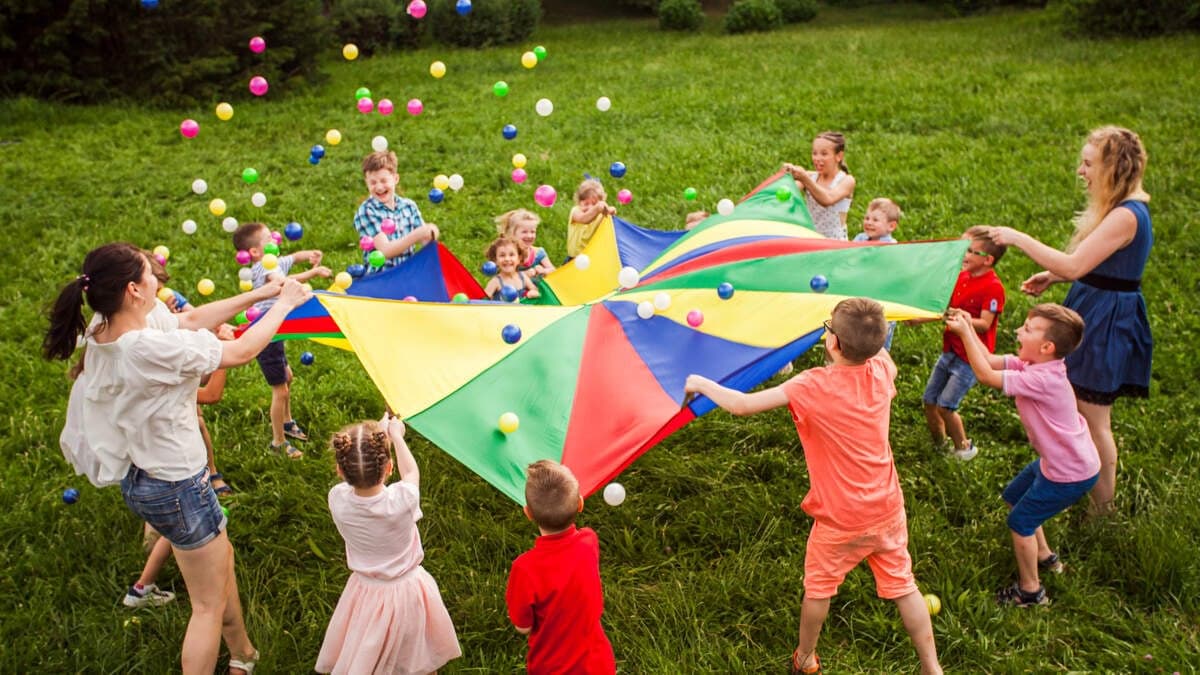

Kids at summer camp spend their day doing outdoor activities like swimming, horseback riding, archery, and canoeing in the morning, creative activities like arts and crafts and drama in the afternoon, and community experiences like campfire singing, skit nights, and team competitions in the evening. Every part of the day is structured to keep campers active, engaged, and connected. According to the American Camp Association’s Youth Outcomes Study, 92% of children say their camp experience helped them build self-esteem. That growth happens because every hour of the day is designed to challenge girls, encourage them, and help them discover new strengths.
In this article, we walk through a full day at summer camp from wake-up to lights out, explain the types of activities campers enjoy, and show why the daily structure at camp is so effective at building confidence, independence, and lifelong friendships.
What Activities Do Kids Do at Summer Camp All Day?
The activities kids do at summer camp all day include a rotating mix of outdoor adventures, creative projects, team sports, water activities, nature exploration, and evening programs. Most overnight camps break the day into morning activity periods, an afternoon session, and an evening program, with meals and rest time built in between. The result is a day that is full but balanced, active but not exhausting.
A 2025 report by The Bump’s Future of Parenting survey found that 88% of parents believe shared experiences hold more value than material gifts. Camp delivers those experiences from the moment a girl wakes up until she falls asleep. She is not watching a screen, scrolling through feeds, or sitting in front of a TV. She is doing things, real things, with real people, in a real outdoor setting. The Kaiser Family Foundation reports that the average child in the United States spends over 7 hours a day on screens. At camp, that number drops to zero.
Morning at Camp
The morning at camp starts early, usually between 7:00 and 8:00 a.m. Girls wake up in their cabins, get dressed, tidy up their bunks, and head to the dining hall for breakfast together. Breakfast is a social event. Girls sit with their cabin mates, share plans for the day, and build friendships over pancakes and orange juice.
After breakfast, the morning activity periods begin. Most camps schedule two or three activity blocks before lunch. A girl might spend her first period at horseback riding, her second period in the pool, and her third period at the archery range. Each period is usually 45 minutes to an hour, giving campers enough time to learn and practice without getting tired.
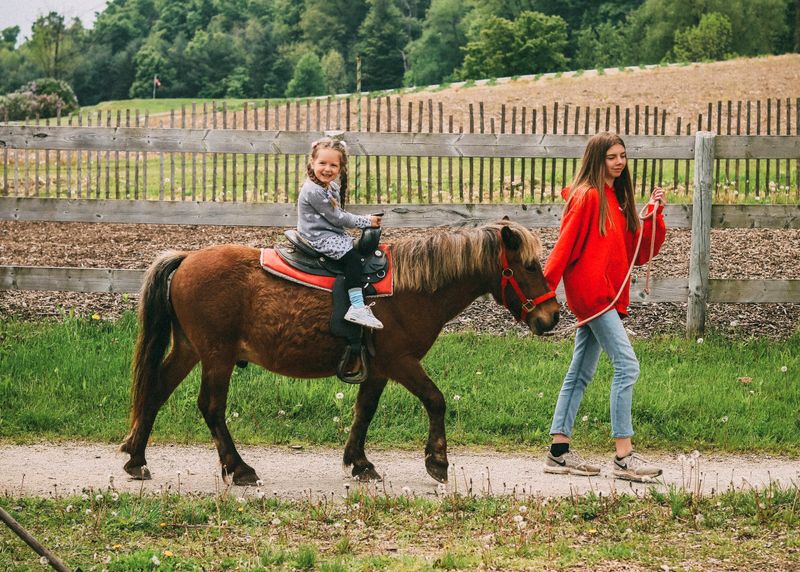
Research published in Frontiers in Public Health by Tokyo University of Agriculture found that the vibrations from horseback riding activate the sympathetic nervous system and improve learning, decision-making, and self-control in children. A morning that starts with riding sets a girl up for focus and confidence for the rest of the day.
Afternoon at Camp
After lunch, most camps build in a rest period. This is a quiet hour where girls can relax in their cabins, write letters home, read, or talk quietly with their cabin mates. Rest time is important because it gives the body and mind a chance to recharge before the afternoon activities begin.
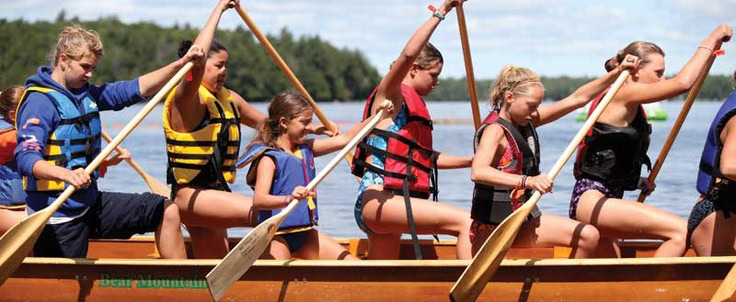
The afternoon activity periods follow the same structure as the morning but usually feature different choices. A girl who rode horses in the morning might spend her afternoon doing arts and crafts, paddling a canoe on the river, or climbing the ropes course. The variety keeps every day feeling fresh and gives campers the chance to explore a wide range of skills.
The National Endowment for the Arts has noted that craft-making activities help develop fine motor skills, creativity, cooperation, and problem-solving in children. An afternoon spent painting, making friendship bracelets, or building something with her hands gives a girl a creative outlet that most school schedules do not provide.
Evening at Camp
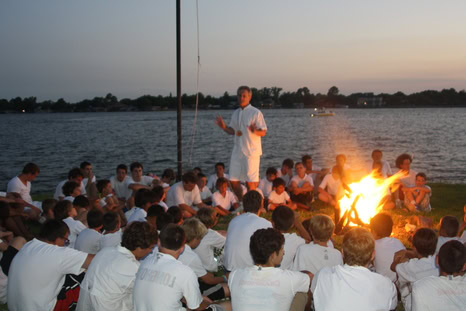
Evenings at camp are where the magic really happens. After dinner, the entire camp comes together for evening programs that might include campfire singing, skit nights, talent shows, team competitions, or special themed events. These community-wide experiences create the memories that campers talk about for years.
Campfire is often the highlight. Girls sit around the fire, sing songs, share stories, and watch the stars come out. It is one of the few times during the day when the whole camp is in one place, and the sense of belonging is powerful. The ACA’s breakthrough study found that 58% of youth who attend camp say the experience helped them appreciate the importance of being present and taking time away from technology. There is no better example of that than a campfire under a clear sky.
After the evening program, girls head back to their cabins for a short devotional or reflection time, brush their teeth, and settle in for lights out. By the time the day is done, a camper has been active, creative, social, and reflective, all in one day.
What Are Classic Summer Camp Activities?
Classic summer camp activities include swimming, horseback riding, archery, canoeing, arts and crafts, campfire singing, team sports, ropes courses, drama, and nature hikes. These activities have been staples of the camp experience for generations because they work. They challenge kids physically, build skills that transfer to real life, and create shared experiences that bond campers together.
The American Camp Association reports that over 14,000 camps operate across the United States, serving approximately 14 million children and adults each year. While every camp has its own personality, the core activities are remarkably similar from coast to coast because they have been proven to develop confidence, coordination, teamwork, and resilience in young people.
Water Activities
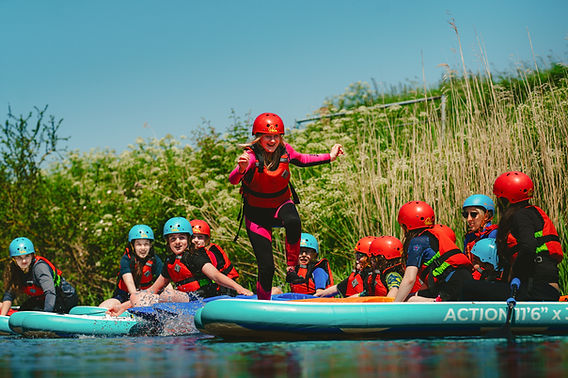
Water activities are some of the most popular at any summer camp. Swimming is a daily fixture at most camps, and many programs also offer canoeing, kayaking, and water games. Research from the European Centre for Environment and Human Health has shown that spending time near water, sometimes called “blue space,” reduces stress and promotes positive emotions in both children and adults.
For girls who have never paddled a canoe or jumped off a dock, camp provides the perfect setting to try for the first time. The water is supervised, the counselors are certified, and the encouragement from cabin mates makes it easy to take the leap.
Adventure and Challenge Activities
Adventure activities like archery push campers out of their comfort zones in the best possible way. These activities build focus, patience, and physical courage. A girl who hits her first bullseye earns a confidence boost that lasts long after the activity ends.
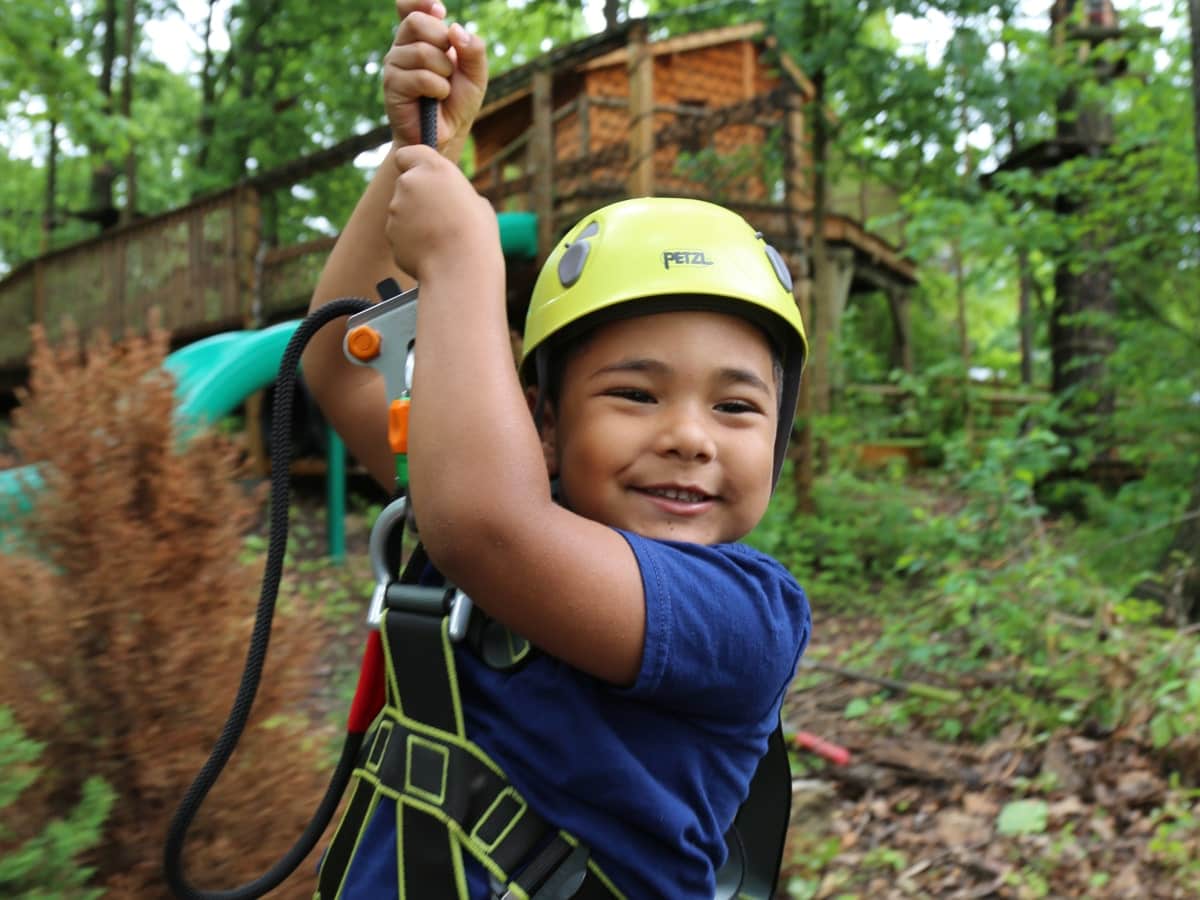
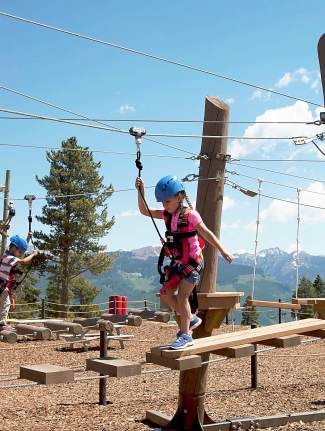
A high ropes challenge does the same thing from a different angle. Climbing, balancing, and zip-lining require a girl to trust herself and her team. That combination of physical bravery and teamwork is hard to find anywhere else.
A study commissioned by the British Horse Society and conducted through the University of Brighton classified horseback riding as moderate-intensity exercise when done for at least 30 minutes. According to the American Heart Association, a 45-minute ride at a walk, trot, and canter burns up to 200 calories. Adventure activities at camp give girls a serious physical workout while feeling like pure fun.
Creative and Performing Arts
Creative activities give campers a chance to express themselves in ways that school does not always allow. Drama and chorus programs let girls sing, act, and perform in front of their peers. Art projects let them paint, sculpt, and create keepsakes they bring home. These activities develop creativity, self-expression, and the courage to share ideas in front of a group.
Neuroscience research from the Massachusetts General Hospital MAPP program shows that physical and creative activity increases brain-derived neurotrophic factor (BDNF), which strengthens connections in the brain and supports long-term memory. A girl who spends her afternoon painting or rehearsing a skit is literally building new pathways in her brain while having fun.
What Makes a Summer Camp Fun?
What makes a summer camp fun is the combination of variety, friendship, freedom to choose, and a spirit of adventure that fills every part of the day. Camp is fun because it feels different from everything else in a child’s life. There are no grades, no homework, no screens, and no pressure to be anything other than yourself.
The ACA’s Youth Outcomes Study found that 70% of parents reported their child gained self-confidence at camp. Confidence and fun go hand in hand. When a girl feels confident, she tries new things. When she tries new things, she has more fun. And when she has more fun, her confidence grows even further. It is a cycle that camp activates from day one.
The social element is a huge part of what makes camp fun. Every meal is shared with friends. Every activity is done alongside someone who is cheering you on. Every evening ends with laughter, music, and the warm glow of a campfire. A typical day at camp is packed with moments that a girl would never get at home, at school, or on a family vacation.
What Are Some Fun Summer Camp Traditions?
Fun summer camp traditions include campfire singing, team competitions, closing ceremonies, spirit awards, special themed nights, talent shows, and cabin decorating contests. These traditions give camp its soul. They are the rituals that returning campers look forward to all year and that new campers discover with excitement.
Camp traditions matter because they create a sense of continuity. When a girl sings the same song at campfire that her counselor sang as a camper 15 years ago, she becomes part of something bigger than herself. That sense of belonging is one of the most powerful outcomes of the camp experience. Research from the University of Waterloo’s Canadian Summer Camp Research Project found that overnight camp improves social integration, emotional intelligence, and a child’s sense of belonging in a community.
A Typical Camp Day from Wake-Up to Lights Out
| Time of Day | Activity | What Campers Gain |
| 7:00 – 8:00 AM | Wake up, cabin clean-up, breakfast | Responsibility, routine, social connection |
| 8:30 – 12:00 PM | Morning activities (2-3 periods): riding, swimming, archery, sports | Physical fitness, skill building, confidence (92% say camp builds self-esteem, ACA) |
| 12:00 – 1:00 PM | Lunch | Social skills, table manners, community bonding |
| 1:00 – 2:00 PM | Rest hour | Recovery, letter writing, quiet bonding with cabin mates |
| 2:00 – 5:00 PM | Afternoon activities (2-3 periods): crafts, canoeing, ropes course, drama | Creativity, teamwork, new skills (crafts develop fine motor skills, NEA) |
| 5:30 – 6:30 PM | Dinner | Community, gratitude, reflection on the day |
| 7:00 – 9:00 PM | Evening program: campfire, skit night, talent show, team games | Belonging, performance confidence, unplugged joy (58% value being present, ACA) |
| 9:00 – 9:30 PM | Cabin time, devotional, lights out | Reflection, gratitude, rest |
Sources: ACA Youth Outcomes Study, ACA Breakthrough Study (2023), National Endowment for the Arts, Frontiers in Public Health (2017), British Horse Society/University of Brighton (2011).
How Long Are Summer Camps for Kids?
Summer camps for kids typically last one to eight weeks, depending on the type of camp and the age of the camper. Most overnight camps offer sessions that range from one week to two weeks. Day camps usually run in weekly blocks throughout the summer. The ACA reports that kids between 8 and 12 make up about half of all summer campers, and that age group most commonly attends sessions of one to two weeks.
For first-time campers, a one-week session is a great starting point. It gives a girl enough time to settle in, make friends, and experience the full rhythm of camp life without the commitment of a longer stay. Returning campers often choose two-week or longer sessions because they already know the routines and want more time with their camp friends.
Is 14 Too Old for Summer Camp?
No, 14 is not too old for summer camp. In fact, the teen years are one of the most transformative times to attend. Older campers benefit from leadership programs, deeper friendships, and the chance to serve as role models for younger girls. Many camps offer counselor-in-training tracks for teens that teach responsibility, communication, and real-world leadership skills.
Research by the National Coalition of Girls’ Schools found that girls in all-female environments develop a stronger sense of their abilities and more leadership opportunities. For a 14-year-old girl at an all-girls camp, that means she is not just attending camp. She is stepping into a role where younger campers look up to her, and that responsibility helps shape the kind of adult she will become.
Is Summer Camp Worth the Money?
Yes, summer camp is worth the money because it gives children experiences, skills, and personal growth that cannot be replicated in any other setting. The ACA’s Youth Outcomes Study found that 92% of campers report improved self-esteem, and a separate ACA survey found that 70% of parents say their child gained real self-confidence at camp. Those outcomes are difficult to put a price tag on.
A 2025 survey by SSRS found that 71% of summer travelers say their top priority is spending quality time with family and friends. Camp delivers that quality time in a structured, supervised, and developmentally rich environment. Girls come home with better social skills, greater independence, and friendships that last for years. For many families, the investment in camp pays dividends that show up in every area of their daughter’s life.
A systematic review published in PLOS ONE found that children and adolescents who spend more time in nature and less time on screens show better mental health outcomes. Camp provides exactly that: days filled with nature, activity, and face-to-face connection, with zero screen time. That combination is increasingly rare, and increasingly valuable.
Frequently Asked Questions
What Are Some Fun Summer Activities for Kids?
Fun summer activities for kids include swimming, hiking, horseback riding, canoeing, arts and crafts, sports, cooking, and nature exploration. Camp combines all of these into a single experience, giving children the chance to try many different activities in one session rather than signing up for separate programs throughout the summer.
What Are the Essentials for Summer Camp?
The essentials for summer camp include comfortable clothes, sturdy shoes, swimwear, sunscreen, a water bottle, labeled bedding, a flashlight, and a positive attitude. Most camps provide a detailed packing guide so families know exactly what to bring and what to leave at home.
What Can My 12 Year Old Do During the Summer?
A 12 year old can attend sleepaway camp, day camp, sports programs, arts workshops, or volunteer activities during the summer. The ACA reports that kids between 8 and 12 make up about half of all summer campers, making this the ideal age for a full camp experience that builds independence, social skills, and lasting friendships.
Is Summer Camp Good for Kids with ADHD?
Yes, summer camp is good for kids with ADHD because the structured daily schedule, physical activity, and outdoor environment provide the kind of stimulation and routine that helps children with attention challenges thrive. Research cited in Frontiers in Public Health found that horseback riding reduces hyperactivity and promotes relaxation, and the busy, hands-on nature of camp keeps the brain engaged without relying on screens.
How Many Activities Does a Camper Do Per Day?
A camper typically does four to six scheduled activities per day, plus meals, free time, and an evening program. Morning and afternoon are each divided into two or three activity blocks, and campers often have some choice in which activities they attend. This variety keeps the day exciting and allows each girl to build her own camp experience.
Do Campers Get Free Time?
Yes, campers get free time during rest hour after lunch and sometimes before dinner. Rest hour is a quiet period where girls can relax in their cabins, write letters, read, or talk with cabin mates. Free time is an important part of the day because it gives girls a chance to recharge, process their experiences, and bond with friends in an unstructured setting.
Wrapping It Up
A day at summer camp is unlike any other day in a girl’s life. From sunrise to lights out, she is moving, creating, laughing, learning, and connecting with other girls who are doing the same thing. Every meal, every activity, and every campfire song adds another layer to an experience that shapes who she is and who she will become. The research confirms what families already know: camp builds confident, independent, socially skilled young women. And it does it one incredible day at a time.
At Riverview Camp for Girls, our days are full of horseback riding, swimming in Little River, arts and crafts, archery, campfire singing, and so much more. Our campus in Mentone, Alabama has been a home away from home for girls since 1924. If you want your daughter to experience the kind of days we have described here, we would love to have her join us. Call 256-634-4043 to learn more about our upcoming sessions.